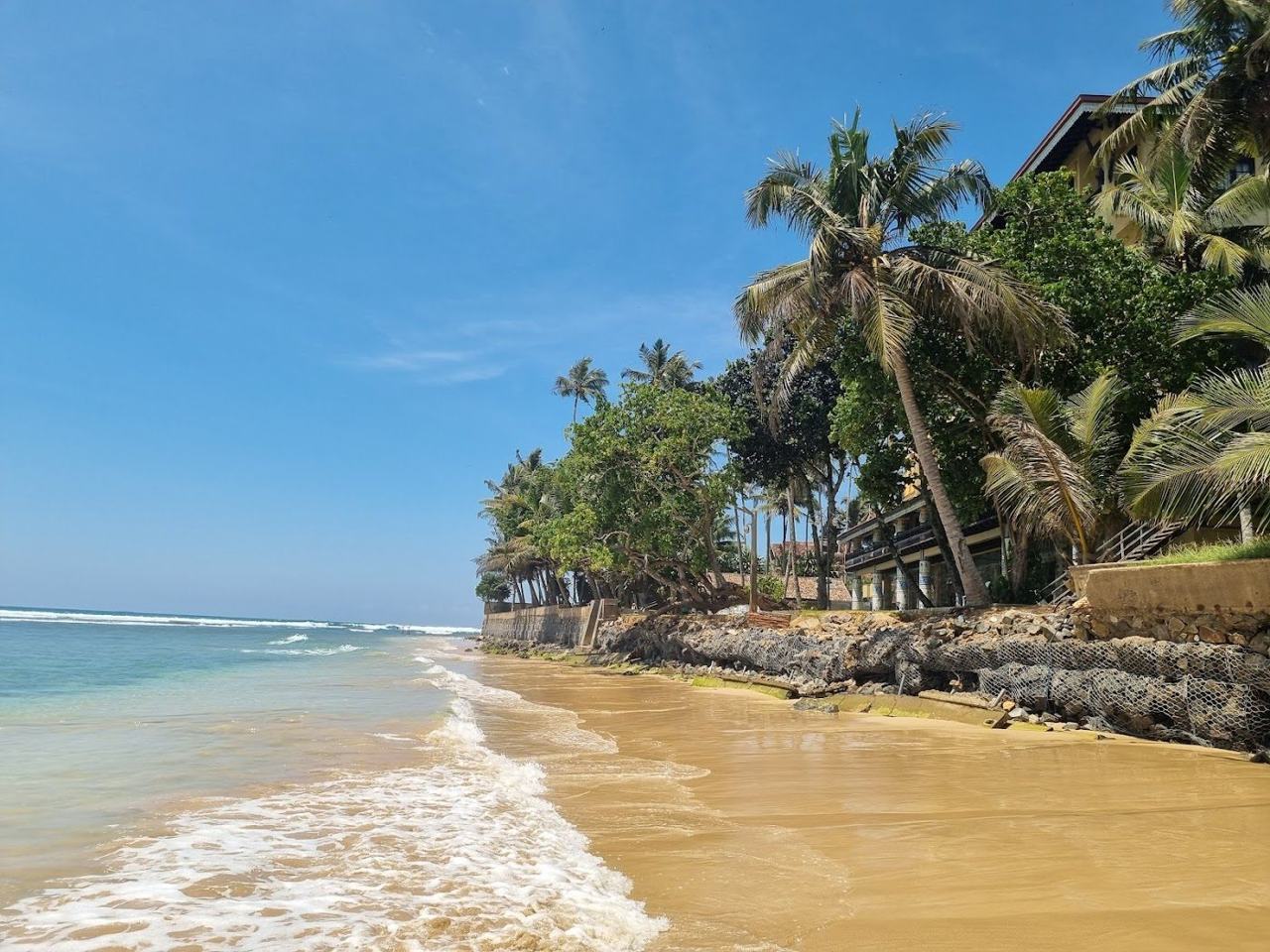
Ahangama or Hikkaduwa Beach: Sri Lanka South Coast
Published 2026-09-28. Conditions described are typical and never guaranteed.
The short answer, before you book
These two stretches of the Sri Lanka south coast get lumped together as "surf towns" and they are nothing alike. If you have come to ride waves and to sit in a design conscious cafe between sessions, book Ahangama Beach. If you want to snorkel straight off the sand, see turtles grazing in the shallows and have a long, busy resort strip with something happening at all hours, book Hikkaduwa Beach.
That is the whole verdict in one line, but the honest version has more edges. Ahangama is a surf and scenery coast rather than a single swimming beach, so casual bathers can end up frustrated. Hikkaduwa is one of the most developed beaches on the coast, with the road and railway right behind the sand and coral that has seen better decades, so anyone expecting a pristine reef and a quiet cove will be disappointed. Pick for what you actually plan to do in the water, not for the postcard, and you will choose right.
Who Ahangama is for
Ahangama has become one of the most fashionable parts of the south, and it earned that status honestly through its waves. The coast around it is defined by reef and beach breaks that suit improvers through to confident surfers, with neighbouring Kabalana a well known name in the mix. Behind the sand sits a growing scene of surf shops, schools, boutique stays and cafes that photograph as well as they pour coffee. If your ideal trip is a dawn session, a slow flat white, then another paddle out before sunset, this is your base.
What it is not is an easy swimming beach. The shore here is a mix of sandy bays, reef and rock, with stilt fishermen along parts of it, and the water is shaped for surfing rather than flat water bathing. Lifeguard cover is limited and not guaranteed, and there is reef and rock along the coast, so the honest advice is to surf within your ability, swim with great care and follow local guidance. Conditions are typical of a surf coast, never guaranteed.
The Ahangama trap: arriving as a family expecting a gentle paddling beach. This is a wave coast first. If calm swimming matters more than surf, that alone should send you elsewhere.
Beginners are a special case. There are breaks for different levels here, but the gentlest learner waves on this part of the coast are usually found nearby rather than directly in front of the town. Take a lesson with a local school, tell them your level honestly, and let them point you to the right break and tide. Rates and hours for schools, board hire and the cafes are all independent and to be confirmed, so check before you commit.
Who Hikkaduwa is for
Hikkaduwa has been a south coast staple for decades, and it wears that history openly. The draw is the marine sanctuary section, where a shallow reef shelters part of the beach and green turtles often graze in the shallows. You can snorkel straight off the sand to see them, and glass bottom boats carry non swimmers across the reef for those who would rather stay dry. Turtle sightings are common but never guaranteed, and the etiquette is simple: keep a respectful distance, never touch or feed them.
This is the beach for people who want plenty of options within walking distance. Hotels, restaurants, dive shops and bars line the strip, snorkel and surf gear is easy to hire, and reef breaks further along the beach draw surfers when the swell is right. It is lively and well equipped rather than secluded, which is exactly its appeal to the right traveler and exactly its flaw to the wrong one.
Manage two expectations before you go. First, the coral has suffered over the years, so treat this as an easy, accessible reef you can reach from the shore rather than a pristine one. Second, the busy coast road and the railway run right behind the sand, so this is not a quiet retreat. Lifeguard cover here is limited and seasonal, the reef and currents need respect, and you should swim within your depth and mind the surf zones. As everywhere on this coast, conditions are typical and never guaranteed.
Head to head: the things that actually differ
Sand and setting
Ahangama is a surf coast rather than a single broad beach, a scenic run of sandy bays, reef and rock with the stilt fishermen as its signature image. Hikkaduwa is a long, golden resort strip, developed and continuous, built for strolling past hotels and restaurants. If you want one long walkable beach, Hikkaduwa wins. If you want scenery and a sense of a working, stylish surf town, Ahangama wins.
Water and what you can do in it
This is the decider. Ahangama's water is for surfing, full stop. Hikkaduwa's reef gives you shore snorkeling and turtles as well as surf breaks further along. Neither is a guaranteed calm swimming beach, and both have currents and reef to respect, but Hikkaduwa's sanctuary section offers something Ahangama simply does not: an easy in water activity for non surfers.
Facilities and crowd
Both are busy in the dry season, but they are busy in different flavours. Ahangama's scene is boho and surf led, design cafes and boutique stays, and with the popularity have come rising prices and polish. Hikkaduwa's scene is the coast's longest established tourism strip, broader and more mainstream, with dive shops and boat operators alongside the bars. Neither is secluded. If solitude is your priority, both are the wrong answer.
When the other one wins
Say you booked Ahangama for the surf but you are traveling with people who mostly want to get in the water and see something. On a settled day, Hikkaduwa's marine sanctuary gives them turtles and a snorkel from the shore, which Ahangama cannot match. That is the classic case for switching, or for splitting your days between the two.
Now flip it. You booked Hikkaduwa but the coast road noise, the railway and the mainstream strip are grating on you, and you would trade the snorkeling for style and better waves. Ahangama is your move, with its calmer, more curated cafe culture and its reef and beach breaks. The swell and your own priorities, not a ranking, decide which one is right on the day.
There is also a third route that quietly beats both for pure swimming. Neither Ahangama nor Hikkaduwa is a soft, sheltered bathing bay, so if calm turquoise water is the whole point of your trip, look at a reef protected cove such as Dalawella instead. It is smaller and more photogenic, sheltered by an offshore reef, and turtles feed close to shore there too. It has its own cautions, shallow rock and current near the reef gaps, but for gentle swimming on a settled day it outperforms both of our contenders.
Timing and how to think about the trip
Both beaches share a season. The dry window runs roughly November to April, bringing the clearest water for snorkeling at Hikkaduwa, the most settled conditions for surfing at Ahangama and the calmest bathing along the coast generally. From May the southwest monsoon brings bigger, rougher water and rain into September, when many activities pause. If you are still building your route, the wider south coast overview and the honest seasonal timing notes are worth a read before you lock in dates.
Traveling as a couple who want photogenic over lively? The couples shortlist leans toward the quieter, prettier coves. Traveling with children who need gentle water and easy activities? Start with the family friendly picks rather than either surf town, and consider a wider, calmer resort beach like Bentota where the river lagoon offers gentler water. If you are torn between Ahangama and another style of beach altogether, our comparison of Ahangama against Dalawella and of Ahangama set beside Bentota take the decision further.
Plan a club day on the south coast
Once you have picked your shore, the next step is sorting where to spend the day in comfort. Browse the south coast beach clubs to see the options along this coast and enquire about a day pass, sunbeds or a table. Rates, hours and any minimum spend are set by the venues and are to be confirmed, so send your dates and get the current details straight from them before you go.