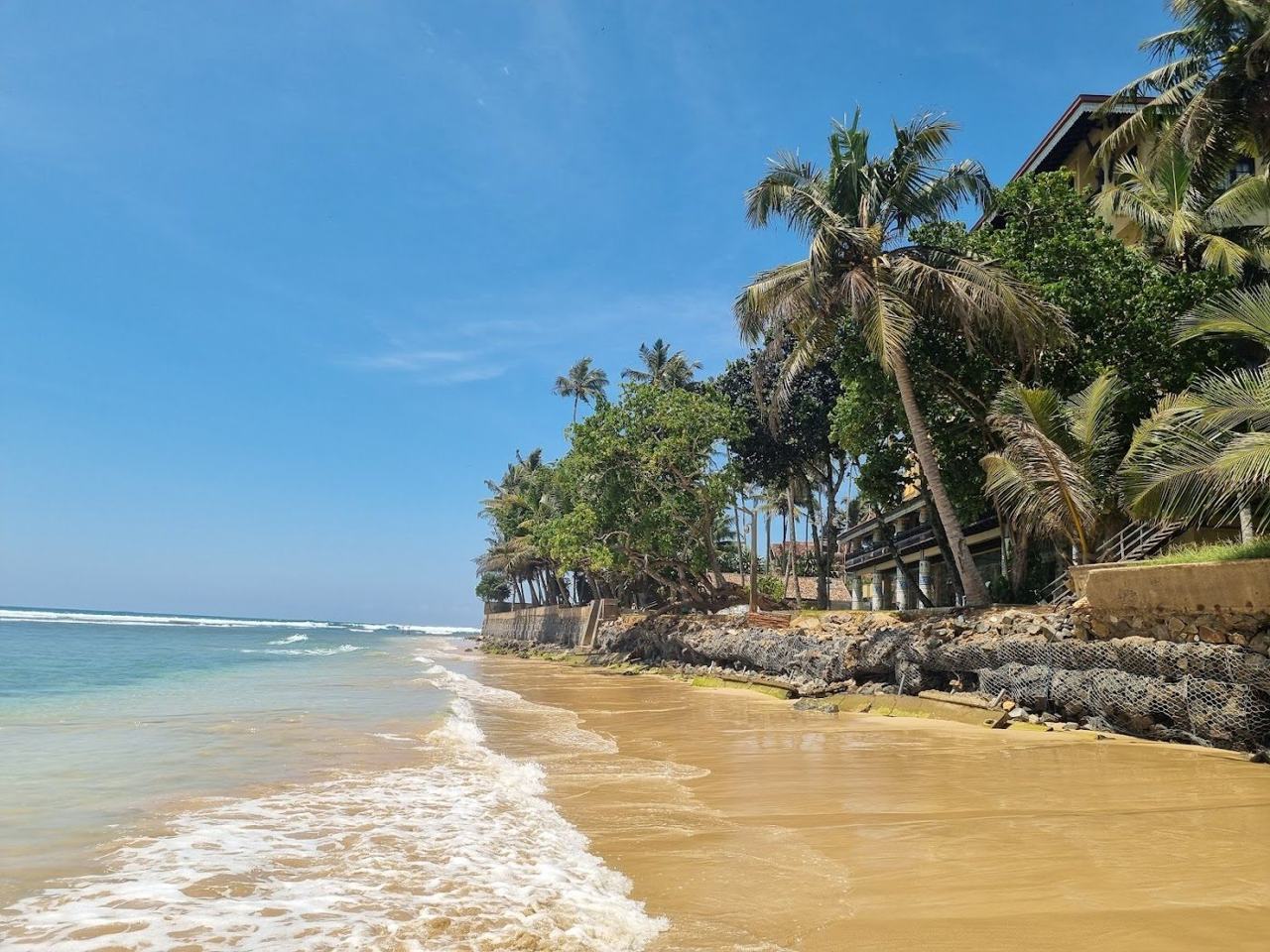
Ahangama or Bentota Beach: Sri Lanka South Coast
Published 2026-08-31. Conditions described are typical and never guaranteed.
Here is the short version before you scroll. If you have come to the south coast to surf, or you want a stylish base of design cafes and boutique stays with waves on the doorstep, Ahangama Beach is your answer. If you have children, you want a long wide beach with organised watersports and calmer water, and you would rather stay somewhere upscale than backpacker, Bentota Beach wins. These two do not really compete for the same traveler. They just happen to sit on the same coastline and get talked about in the same breath.
What follows is where each one earns its place, and the specific conditions that flip the answer from one to the other.
The one line character of each
Ahangama is a surf town, full stop. It is a coast of reef and beach breaks, stilt fishermen and a boho cafe scene that has turned it into one of the most fashionable stretches of the south. The water here is shaped for surfing, not for casual flat water swimming. That is the single most important fact about it, and it decides who should book a room nearby.
Bentota is a resort beach. It is long, wide and golden, backed by established resorts, with a sandspit at its southern end where the Bentota river meets the sea. It is the watersports hub of the coast, and it carries an upscale, calmer air rather than the buzz of a party strip. The river lagoon behind the spit is its trump card, because it gives families a gentler body of water than the open sea.
Sand and setting
These beaches feel physically different underfoot and in scale. Ahangama is not one broad swimming beach at all but a mixed surf coast: sandy bays interrupted by reef and rocky shore, with stilt fishermen along parts of it and the well known break at Kabalana nearby. It is a coast of scenery and waves more than a single stretch you lay a towel across for the day.
Bentota is the opposite in geometry. It is spacious, a genuinely long and wide sweep of golden sand with room to spread out, and the sandspit at the southern end gives it a distinctive shape where sea and river almost touch. If your mental image of a beach day is a big open expanse with space between you and the next group, Bentota delivers that far more readily than Ahangama does.
Water: this is where they split hardest
This is the deciding contrast, so read it carefully. At Ahangama the coast is defined by its waves. Reef and beach breaks serve surfers of different levels, which is wonderful if you have a board and awkward if you want to float about. The published guidance is blunt: casual swimming here is awkward and in places unsafe, and there is reef and rock along the shore. Lifeguard cover is limited and not guaranteed. If you want to swim, the honest advice is to go elsewhere.
Bentota gives you a choice the surf coast cannot. The open sea can carry surf and currents, but the river lagoon behind the spit offers calmer water for watersports and gentler swimming. That is why families gravitate to the river side. Lifeguard cover is seasonal and limited rather than guaranteed here too, and conditions are typical and never guaranteed, so you still swim within your depth and follow local advice. But the option of calmer water exists, and at Ahangama it broadly does not.
Simple rule: if the plan involves getting in the water to relax rather than to surf, Bentota gives you a calmer option and Ahangama largely does not.
Facilities and the crowd you will share it with
Both beaches have free public access. What sits behind the sand is what differs. At Ahangama the facilities are boho and surf led: a growing scene of design conscious cafes, surf shops, schools and boutique stays. Sunbeds, boards and refreshments come from those businesses, and their rates and any minimum spend are independent and to be confirmed. The crowd skews toward surfers and the design conscious, and with the town's rising popularity, prices and polish have risen too.
At Bentota the facilities are resort grade. Established resorts, watersports centres and river safari operators line the area, with jet ski, banana boat and boat trips easy to arrange. Sunbeds, shade, watersports and river trips come through those operators, whose rates and any minimum spend are again independent and to be confirmed. The scene is upscale and calmer than the coast's party beaches, which is exactly why it suits couples and families over a backpacker crowd.
Who should choose Ahangama
- Surfers of any level, from improvers to confident riders working the reef and beach breaks.
- The cafe and design crowd who want a fashionable base with good coffee and boutique stays.
- Travelers happy to build days around waves and scenery rather than long swims.
One honest caveat for beginners. There are breaks for different levels around Ahangama, but gentler learner waves are often found nearby at Weligama. Take a lesson with a local school and ask about the right break and tide for your ability. And if a swim day is non negotiable during your stay, the guide points swimmers to calmer reef bays such as Polhena or the turquoise water at Dalawella Beach, where an offshore reef shelters much of the bay on settled days.
Who should choose Bentota
- Families who want a wide beach, calmer river water and easy activities in one place.
- Couples after an upscale, relaxed base rather than a lively strip.
- Anyone who wants watersports on tap: jet ski, banana boat and gentle river safaris.
The Bentota river safari deserves a mention because it is a genuine highlight and not just a filler. It is a boat trip up the river through mangroves and lagoons, turning up birds, monitor lizards and sometimes crocodiles, with stops at small islands and temples, run by operators near the river mouth. It is a relaxed half day that surf towns cannot match.
The situations that flip the answer
No beach is right for everyone all the time, so here is where each loses its usual edge.
When Bentota beats Ahangama
Traveling with young children or with anyone nervous in the water, Bentota is the clear pick even if you were tempted by Ahangama's style. The calmer river side simply gives you water you can enjoy, where the surf coast gives you waves to respect. The same is true if your idea of a good day is spreading out on a long beach with watersports nearby rather than watching a lineup.
When Ahangama beats Bentota
If anyone in your party surfs, or wants to learn seriously, Ahangama is worth the trade in swimming comfort. Bentota is a watersports hub but not a surf destination in the same league of breaks. The cafe and design scene is also stronger at Ahangama, so couples chasing atmosphere and photogenic mornings over resort comfort may prefer it, accepting that they will travel to a reef bay for a proper swim.
Timing works the same for both
The seasons line up neatly, which keeps the decision about character rather than calendar. Both beaches run best from November to April, the dry season that brings the most settled coast, the calmest water and the fullest scene, whether that means surf and cafes at Ahangama or watersports and river trips at Bentota. From May the southwest monsoon brings bigger, rougher conditions and rain into September, when many Bentota activities pause and Ahangama's surf turns heavier. If you are still weighing dates, the coast's seasonal timing guide lays out the windows in more detail.
The verdict, one more time
Ahangama and Bentota are not rivals so much as answers to different questions. Ask yourself whether your trip is built around waves and style or around calmer water and space, and the choice makes itself. Surfers and the design crowd head to Ahangama and travel for their swims. Families and couples who want an easy, upscale beach with the river as a safety valve head to Bentota. If you are still torn, planning families can weigh the wider options on the family beach guide, while couples may prefer the romantic shortlist for the coast.
Plan a club day on the south coast
Once you have picked your shore, sort where you will actually spend the day. Browse the south coast beach clubs to compare venues and enquire about a day pass or a table, and use the wider south coast hub to line up the rest of your route along this stretch of Sri Lanka.