Ahangama or Dalawella: Sri Lanka South Coast
Published 2026-09-14. Conditions described are typical and never guaranteed.
The verdict in one screen
These two stretches of the Sri Lanka south coast are often mentioned in the same breath, and yet they want completely different things from you. If you have come to surf, or you care about a stylish base with good coffee and design conscious stays behind the sand, go to Ahangama Beach. If you have come to swim in calm turquoise water, chase the postcard rope swing shot, or spend a slow couples day inside a sheltered reef, go to Dalawella Beach. That is the whole decision in a sentence, and almost everything below is about the exact conditions that flip it.
Neither beach is a mistake. Both have free public access, both peak in the same dry window, and both carry the same honest caveat: lifeguard cover is limited and not guaranteed at either, so you swim within your depth and follow local advice. What separates them is the shape of the water. Ahangama is a surf coast of reef and rock. Dalawella is a compact bay that an offshore reef holds relatively calm. Pick the water first and the rest sorts itself out.
Who Ahangama is for
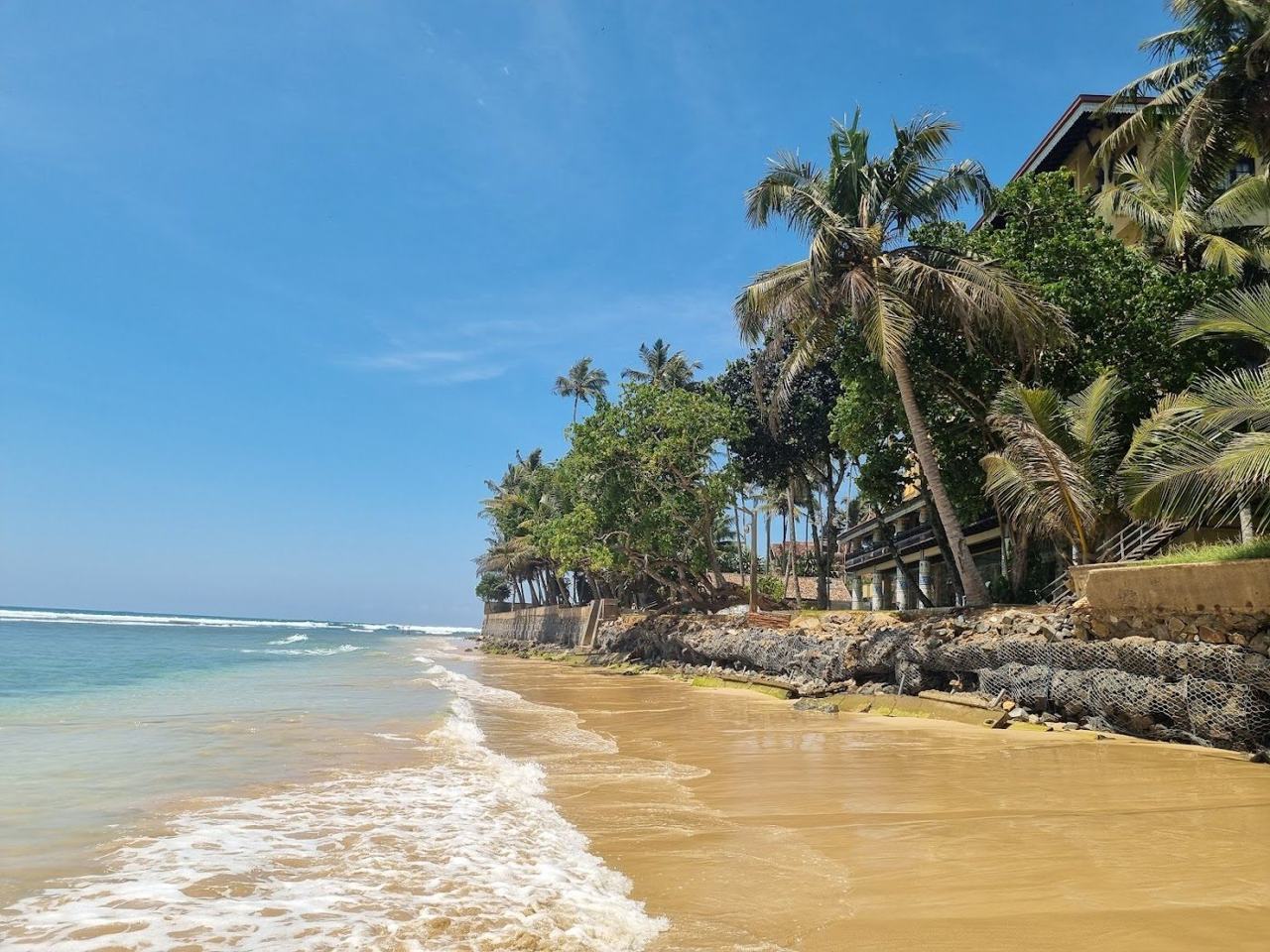
Ahangama has become one of the most fashionable parts of the south, and it earned that reputation on waves rather than on easy bathing. The coast here is defined by reef and beach breaks that suit improvers through to confident surfers, with the well known break at nearby Kabalana adding to the draw. Behind the sand sits a growing scene of surf schools, board rentals, design led cafes and boutique stays. If your ideal beach day starts with a dawn session and ends with a long flat white, this is your coast.
It suits three readers in particular: surfers of most levels, the boho cafe and design crowd, and travelers who want a stylish home base for a wave chasing trip rather than a swimming holiday. The trade off is honest and worth repeating. This is a mix of sandy bays, reef and rocky shore, punctuated by the stilt fishermen the area is known for, not a single broad swimming beach. Casual swimming here is awkward and in places unsafe. If someone in your group only wants to float in gentle water, Ahangama will frustrate them.
Know this: Ahangama is a surf coast with reef and rock rather than a gentle swimming beach. Surf within your ability, swim with great care, and for calm water head to a reef bay nearby instead.
One more note on beginners. There are breaks for different levels around Ahangama and Kabalana, but the gentler learner waves on this part of the coast are often found a little further along at Weligama. Take a lesson with a local school, ask about the right break and tide for your level, and remember that operator rates and hours are independent and to be confirmed.
Who Dalawella is for
Dalawella is the answer to the question Ahangama cannot give: where do I actually swim. Just east of Unawatuna, it is a pretty stretch of golden sand fronting a turquoise reef bay, more compact and more picturesque than the long open beaches of the coast. An offshore reef shelters much of the water, so on settled days it is calm and clear in a way the surf breaks up the road never are. That makes it the pick for swimmers who want a sheltered bay, and for couples and photographers drawn to the famous palm rope swing at the eastern end.
It is genuinely photogenic, and that is both its charm and its catch. The bay is small. It is best enjoyed early in the day, before the queue for the rope swing shot builds in high season. Turtles feed close to shore in the Dalawella and Unawatuna area and are often seen by swimmers and snorkelers, which adds to the appeal, though sightings are never guaranteed and you should keep a respectful distance.
Two practical truths shape a Dalawella day. First, the beach itself is free, but the palm rope swing sits on private hotel land and usually carries a fee, and the exact amount can change, so treat it as to be confirmed locally. Second, the reef that keeps the bay calm also brings shallow rock and a current near its gaps, so you swim inside the sheltered section and stay within your depth. Facilities come from the villas and small hotels along the sand rather than a public strip, which gives the beach a quiet, private feel but means refreshments and sunbeds are tied to the properties behind it.
Sand, water, facilities, crowd: the direct contrast
Sand and setting
Ahangama spreads out as a surf and scenery coast: sandy bays interrupted by reef and rocky shore, with the stilt fishermen along parts of it. Dalawella concentrates into one compact golden crescent fronting a single reef bay. If you like a coast you can explore and photograph in sections, Ahangama has more to roam. If you want one framed, contained bay, Dalawella wins.
Water
This is the deciding line. Ahangama's water is shaped for surfing, not for casual flat water swimming. Dalawella's water is calm inside the reef on settled days and made for swimming. There is nothing subtle about this difference, and it should drive your choice more than anything else.
Facilities
Ahangama's facilities are boho and surf led: cafes, surf shops, schools and boutique stays behind the coast, a scene that has grown fast and polished up as it went. Dalawella's are quieter and villa based, with dining and sunbeds belonging to the small hotels on the sand. Ahangama has the livelier hub. Dalawella has the more secluded, intimate feel.
Crowd
Both draw a fashionable, international crowd in season. Ahangama's is a surf and design set spread across a longer coast. Dalawella's concentrates into a small bay, so it can feel busy quickly even when the numbers are modest, especially around the rope swing. For the calmest version of either, early morning is your friend.
When each one wins
Here is where the answer flips, situation by situation.
- You want to surf, or you want a stylish surf town base: Ahangama, every time.
- You want calm swimming and turquoise water: Dalawella, and it is not close.
- You are a couple after a photogenic, slow day: Dalawella, arriving early.
- You are traveling with mixed appetites, some surf and some coffee culture: Ahangama gives the group more to do, provided the swimmers accept the water is for surfing.
- You want turtles close to shore on a swim or snorkel: Dalawella has the edge in the Unawatuna area.
- You are a first time surfer wanting the gentlest possible start: neither is ideal head on, so base near Ahangama and take a lesson at the gentler waves further along the coast.
Timing matters equally at both. The dry season from November to April is the main window: it brings Ahangama its most settled surf and travel conditions, and Dalawella its clearest, calmest turquoise water. The southwest monsoon from May brings bigger, rougher seas and rain into September, which reduces clarity at Dalawella and roughens the whole coast. If you are planning around the seasons, our guide on choosing the right months is worth a read before you book.
If you want a different south coast beach
Neither of these is a family swimming beach in the resort sense. If that is what you are after, a long, wide, upscale option with a calmer river lagoon and easy watersports sits further up the coast at Bentota Beach, and our family beach picks map out the calmest choices. Prefer shore snorkeling over a coral sanctuary with turtles near the shore and a lively, well equipped strip? That is Hikkaduwa Beach, though the coast road runs right behind it. And if you love the boho cove idea but want it in miniature, the horseshoe bay at Hiriketiya Beach pairs beginner surf with a sheltered swimming corner. Couples weighing the romantic options can also browse our two person shortlist, and there is a companion piece comparing Ahangama against Bentota if a resort beach is in the running.
Planning a beach club day on the south coast
If you would rather have the sunbeds, shade and dining organised for you around a proper club day, start with our south coast beach clubs page to see the current options and enquire. Rates, hours and any minimum spend are set by each venue independently and are to be confirmed, so it is worth checking before you travel. For the wider lay of the coast, the south coast hub ties every beach and guide together in one place.