One Day in Rio de Janeiro: The Beach to Choose
Published 2026-08-30. Conditions described are typical and never guaranteed.
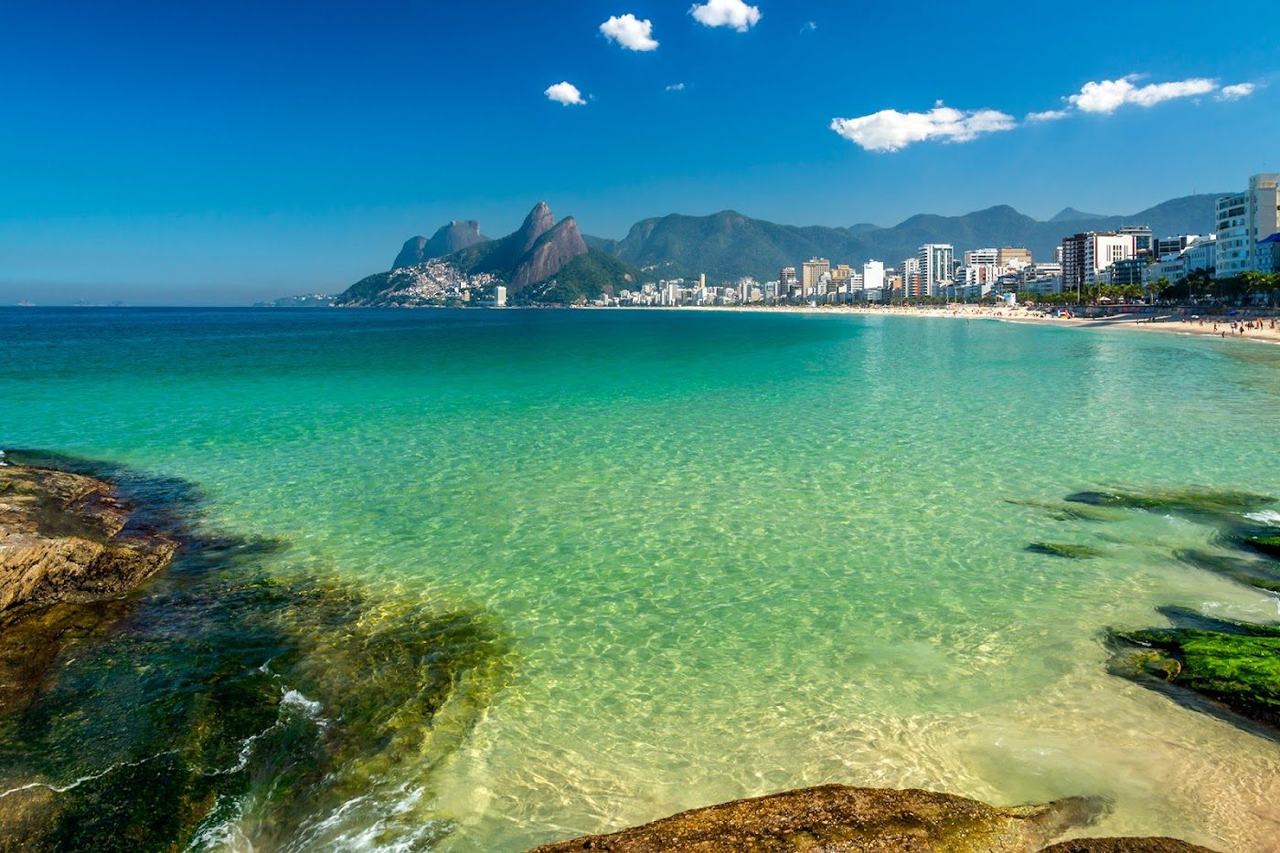
With exactly one beach day in Rio de Janeiro, go to Ipanema Beach Rio de Janeiro. It is the pick that gives you the most Rio for a single visit: cleaner water than the famous crescent next door, a broad golden sweep framed by headlands, a promenade that keeps you fed and watered all afternoon, and the eastern rock where the whole city gathers to watch the sun drop. You get the scene, the swim and the sunset in one place, without a long drive, and you can end the evening on foot rather than in a taxi queue.
That is the answer. The rest of this guide justifies it, tells you when to arrive and how to reach the sand, names the runners up honestly, and points to the one beach most first timers overrate.
Why Ipanema wins the single day
Ipanema does the rare thing of being both fashionable and functional. The sand is soft and clean, the water runs clearer than its neighbour, and the beach organises itself by numbered lifeguard posts, or postos, each with its own character. Posto 9 is the stylish heart where the people watching peaks. Posto 8 by Farme de Amoedo is the recognised LGBT stretch. Posto 10 toward Leblon calms down and skews more toward families. You can pick your mood by walking a few hundred metres, which is exactly what you want when you only have one shot at getting the day right.
Then there is the finale. At the eastern end sits Arpoador Beach Rio de Janeiro, the rocky elbow where Ipanema meets Copacabana. Cariocas climb the Pedra do Arpoador most clear evenings to watch the sun set behind the Two Brothers mountain, and when it goes the whole point breaks into applause. It is a genuine city ritual, it costs nothing, and it is a two minute walk from your towel. On a one day trip that is a gift: you do not have to relocate for the best moment of the evening. Arpoador also carries a friendly surf break below the rock, gentler than the wild west zone waves, so if you fancy a longboard hour it is right there.
The short version: Ipanema for the day, Arpoador for the sunset, and you never once need to move more than a few minutes on foot.
The honest case against Ipanema
No beach is the right answer for everyone, and Ipanema has real drawbacks worth stating plainly.
First, the water is open Atlantic with a strong shore break. This is not a calm wade, and it is not a promise of safe swimming. Swim where the lifeguards are posted, watch how locals enter the water, and keep children close. If your day depends on toddlers paddling in flat shallows, Ipanema is not built for that and neither is its neighbour.
Second, it is busy and it rewards a little street sense. This is a lively public beach, so carry only what you need, leave your passport at the hotel, and keep your phone out of sight when you are not using it. None of that should scare you off, but pretending Ipanema is a private cove would be dishonest.
Third, space. On a hot summer weekend the fashionable stretches fill early. If your idea of a perfect beach day is empty sand and silence, Ipanema will feel like a party you did not quite sign up for. That is a preference problem, not a flaw, and there are better beaches below for people who want room.
When to arrive and how to get there
Arrive mid morning if you want a good patch of sand, and stay through to sunset rather than treating it as a lunch stop. The daytime scene at Posto 9 builds through the afternoon, and the payoff at Arpoador comes at golden hour, so a late start followed by a long stay suits the beach far better than a quick midday dash. The best months are December to March: hot, lively and the liveliest scene of the year, though also the busiest. If you would rather trade heat for elbow room, the seasonal notes on the best time to visit are worth a read before you lock in dates.
Getting there is easy, which is another reason it wins the day. Ipanema and General Osorio metro stations sit close behind the sand, and taxis and ride apps reach it quickly from across the south zone. Because Arpoador is the point where Ipanema meets Copacabana, you can also walk in from either famous crescent. That connectivity is the quiet advantage: no planned expedition, no coastal bus, just a short hop from wherever you are staying.
The runners up, and who they suit
Copacabana: the icon you can probably skip
Here is the honest one. Copacabana Beach Rio de Janeiro is the most famous beach in Brazil, a four kilometre crescent backed by that black and white wave pattern promenade, and for a single beach day it is the option most first timers overrate. It wins on fame, on sheer size and on the Avenida Atlantica strolling scene. It does not win on water clarity, and the sand right next door at Ipanema is cleaner with a more stylish crowd.
What to do instead: spend your beach hours at Ipanema, then walk the promenade at Copacabana in the early evening if you want to tick the icon. If you do commit a chunk of the day to Copacabana, head for the fort and Posto 6 end at the south, which is calmer, more local, and has a cafe inside the Forte de Copacabana looking back along the whole bay. The Leme extension to the north is quieter and more family oriented too. Treat the water with the same respect as Ipanema: real waves, undertow, and calmer only near the fort.
Barra da Tijuca: for space and surf
If crowds are your enemy and you are happy to plan a proper outing, Barra da Tijuca Beach Rio de Janeiro is Rio's longest beach, around eighteen kilometres of open sand with water that is often cleaner than the south zone and a steady surf. The Praia do Pepe end gathers the kiosks, the surfers and the kitesurfers, while the western stretches offer room and calm that make it a strong shout for families wanting space. The catch for a one day visitor: there is no metro, so it means an express coastal bus, a taxi or a ride app and roughly thirty to forty minutes each way. That is a lot of travel to burn on a single beach day, which is why it sits second.
Grumari: for the escape
The wildest beach inside the city limits, Grumari Beach Rio de Janeiro is a protected sweep of reddish sand with no buildings behind it and a strong ocean swell that bodyboarders love. It is the closest Rio comes to genuine off grid coastline, but facilities are very limited, there is no public transport, and the drive from Copacabana runs around an hour, with the access road liable to close once the beach fills on peak weekends. Bring water, food, shade and cash. Save it for a second day.
Flamengo: for the view, not the swim
Inside Guanabara Bay, Flamengo Beach Rio de Janeiro offers one of the best Sugarloaf panoramas in the city and a vast park behind the sand, but the bay water quality is often poor and most people do not swim here. It is a walkers and view lovers beach, lovely at golden hour, and easy to combine with a city stroll. As a dedicated beach day it does not deliver, so treat it as a bonus rather than your main event.
So, one day: what to do
- Base yourself at Ipanema, mid morning start, pick your posto by mood.
- Swim only near a lifeguard post and keep your valuables light.
- Walk to Arpoador for the sunset and the applause.
- Skip a full Copacabana day; stroll its promenade at dusk if you want the icon.
- Keep Barra, Grumari and Flamengo for a second and third day.
Turn your day into a club day
If you would rather anchor your Rio beach day around a lounger, service and a base of your own, plan it through the Rio de Janeiro beach clubs page, where you can enquire about a club day and match it to the stretch of coast that suits you. For the wider lay of the shore, start at our Rio de Janeiro beach guide and build the rest of your trip from there.