Four Days in Rio de Janeiro, Beach by Beach
Published 2026-09-13. Conditions described are typical and never guaranteed.
This plan is for the visitor with four full days and a wish to feel Rio's coast change under their feet rather than tick off the famous names in a row. It suits a first timer who wants the icon early and the wild coast last, and it rewards anyone willing to treat the beach as the day rather than a photo stop. If you have only twenty four hours, read the single day beach primer instead and pick one shore. With four days you can build a rhythm: the crowd, then the style, then the space, then the escape. Each day here is chosen to feel different from the one before, and the running order matters more than any ranking. What follows is a sequence, not a scoreboard.
One honest word before you start. Every ocean beach in the south zone and out west is open Atlantic with real waves and undertow. Swim near a lifeguard posto, watch how locals enter the water, and treat all conditions as typical rather than promised. That single habit shapes this whole itinerary.
Day one: Copacabana, the icon while you are fresh
Start with the postcard while jet lag still has you up early. Copacabana is the most famous beach in Brazil, a wide four kilometre crescent backed by that black and white wave pattern promenade, and it is best met head on rather than saved for later. Go on your first morning because the energy is the point, and because arriving fresh means you can walk it posto by posto and let the beach explain itself. The middle stretches give you the classic busy scene. The fort and Posto 6 end to the south is calmer and more local, and the cafe inside the Forte de Copacabana looks back along the whole bay, which is the view most people miss.
The water here is genuine open ocean with waves and a strong undertow, calmer near the fort end than elsewhere, so swim where the lifeguards are and keep children close. Carry little, keep your phone out of sight, and leave anything you would hate to lose at the hotel. This is a busy public beach that rewards ordinary city caution, nothing more dramatic than that. Do Copacabana first and you will spend the rest of the trip understanding how the other beaches answer it.
Day two: Ipanema for style, Arpoador for the applause
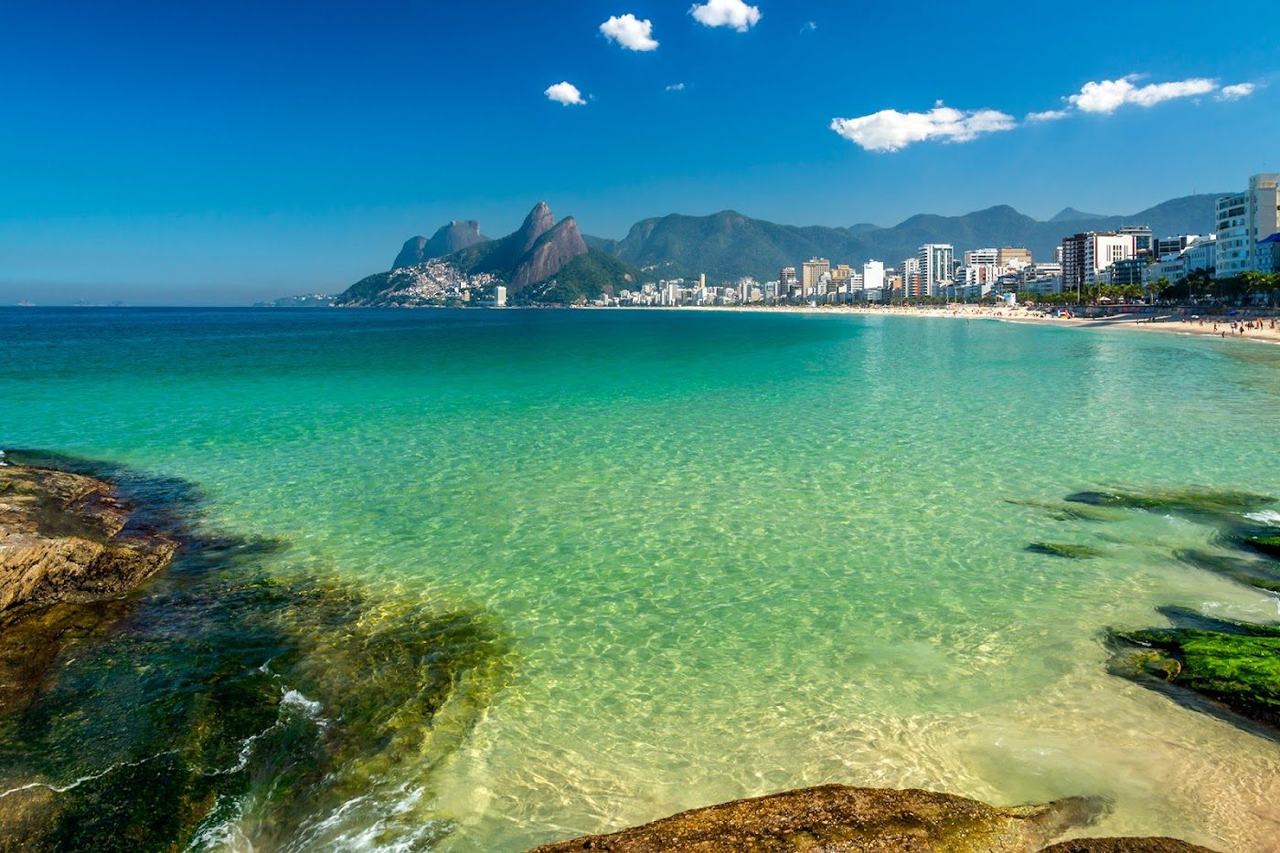
Day two is the deliberate contrast. Ipanema shares a coastline with Copacabana but reads completely differently: cleaner sand, clearer water, and a more fashionable crowd that arranges itself along numbered postos like social neighbourhoods. Posto 9 is the stylish heart, Posto 8 by Farme de Amoedo is the LGBT area, and Posto 10 toward Leblon is calmer and more family minded. Spend the day here, then time your afternoon so you drift east as the light softens.
Finish on Arpoador, the rocky elbow where Ipanema meets Copacabana. The Pedra do Arpoador looks west down the beach toward the Two Brothers hill, and on clear evenings a crowd gathers to watch the sun drop and applaud as it goes. It is a real city ritual, it is free, and it is one of the reasons Ipanema day earns its slot second: you have already banked the icon, so now you can slow down for the light. The sunset draws numbers, so arrive well before dusk if you want a good place to sit on the rock. If the crowd feels too thick, this is the moment to note tomorrow's escape routes and simply enjoy the moment from wherever you land.
Two beaches, one day, because Ipanema and Arpoador are a short walk apart and the sunset is the natural full stop to a stylish afternoon. This is the exception that proves the one beach a day rule.
Day three: Barra da Tijuca, room to breathe
By day three the south zone crowds start to wear, so go west for space. Barra da Tijuca is Rio's longest beach, around eighteen kilometres of open sand, with water that is often cleaner than the south zone and a steady surf that draws board riders. The Praia do Pepe end gathers the kiosks, the surfers and the kite scene, while the quieter stretches to the west give you genuine room and a calmer mood. This is why it belongs mid trip: after two days of famous crowds, the sheer scale of Barra feels like exhaling.
Treat it as a planned outing rather than a stroll. There is no metro to the sand, so most people take the express coastal bus, a taxi or a ride app, and the drive from the south zone runs roughly thirty to forty minutes depending on traffic. The same open exposure that cleans the water brings currents to respect, so choose a section near a lifeguard post and, if you have children, favour the more sheltered stretches west of Praia do Pepe.
When the wind gets up
Barra's breezy days are exactly what the kitesurfers want and exactly what a beach picnic does not. If the wind is whipping sand across your towel, do not fight it. Retreat toward the quieter western sections where the scene is calmer, or accept that this has become a watching day and settle in with a kiosk drink to enjoy the kites. Wind is part of why Barra performs, so read it as character rather than a ruined plan.
Day four: Grumari, the wild finish
End where the city almost lets go. Grumari is the wildest beach within the city limits, a long protected sweep with reddish sand, no buildings behind it, and a strong ocean swell. Nothing on this itinerary contrasts more sharply with day one's promenade, which is exactly why it closes the sequence: you leave Rio remembering empty coast rather than crowds. The quieter western stretch toward the headland is the place to aim for, away from the busier entrance.
Come prepared, because facilities are very limited, just a few kiosks near the entrance and little beyond. Bring water, food, shade and cash, and drive or take a ride app since there is no public transport to the sand, with the trip from Copacabana taking around an hour. The surf and currents can be strong here, better suited to board riders than casual swimmers, so stay within your depth and keep near a lifeguard post where one is set. On peak weekends the access road can close once the beach is full, which brings us to the contingency that matters most.
When the crowds or the road spoil the day
If Grumari's road is shut, pivot to Joatinga, a hidden pocket of sand reached by a narrow staircase from the clifftop Joa neighbourhood. It is dramatic and gloriously hard to find, but it is tidal: the sand all but vanishes at high tide, so check the tide and aim for a falling or low water, and bring everything since there are no services on the sand. For a gentler swap on any day when the south zone shore break feels too rough for young ones, move to Leblon, Ipanema's calmer and more upscale neighbour, where the Baixo Bebe corner at the western end is set up for families and the Mirante do Leblon viewpoint gives you the same golden light as Arpoador without the crush. Families building a whole trip around calmer water may want the family focused beach notes for more of these corners.
The beach to reset expectations on
The most over planned beach in Rio is Flamengo, and it is worth being honest about why. It is a long calm ribbon inside Guanabara Bay with a postcard Sugarloaf view, but the bay water quality is often poor, so most people come for the setting and the vast Aterro do Flamengo park rather than to swim. Do not slot it in as a swimming day and feel let down. Instead use it as a wet or windy afternoon: walk the lawns, ride the paths, photograph Sugarloaf glowing across the flat water at golden hour, and let the park be the point. That is Flamengo working exactly as it should.
Read across the four days and the logic holds: the icon while you are fresh, the style and the sunset, the space out west, and the wild coast to finish. Adjust for weather, never against it. To plan the best window for this sequence, the seasonal timing guide is the sensible next read, and couples wanting quieter light can lean on the two of you itineraries or the quieter shores shortlist.
Turn a beach day into a club day
If you want one of these days handed to you with a lounger, shade and service rather than a kiosk scramble, look at the Rio de Janeiro beach club listings to see what is bookable and enquire about a day. For everything else on the coast, from postos to parking, the full Rio beach hub ties the whole city together.