Baia do Sancho or Praia do Bode: Fernando de Noronha
Published 2026-10-19. Conditions described are typical and never guaranteed.
The verdict in one screen
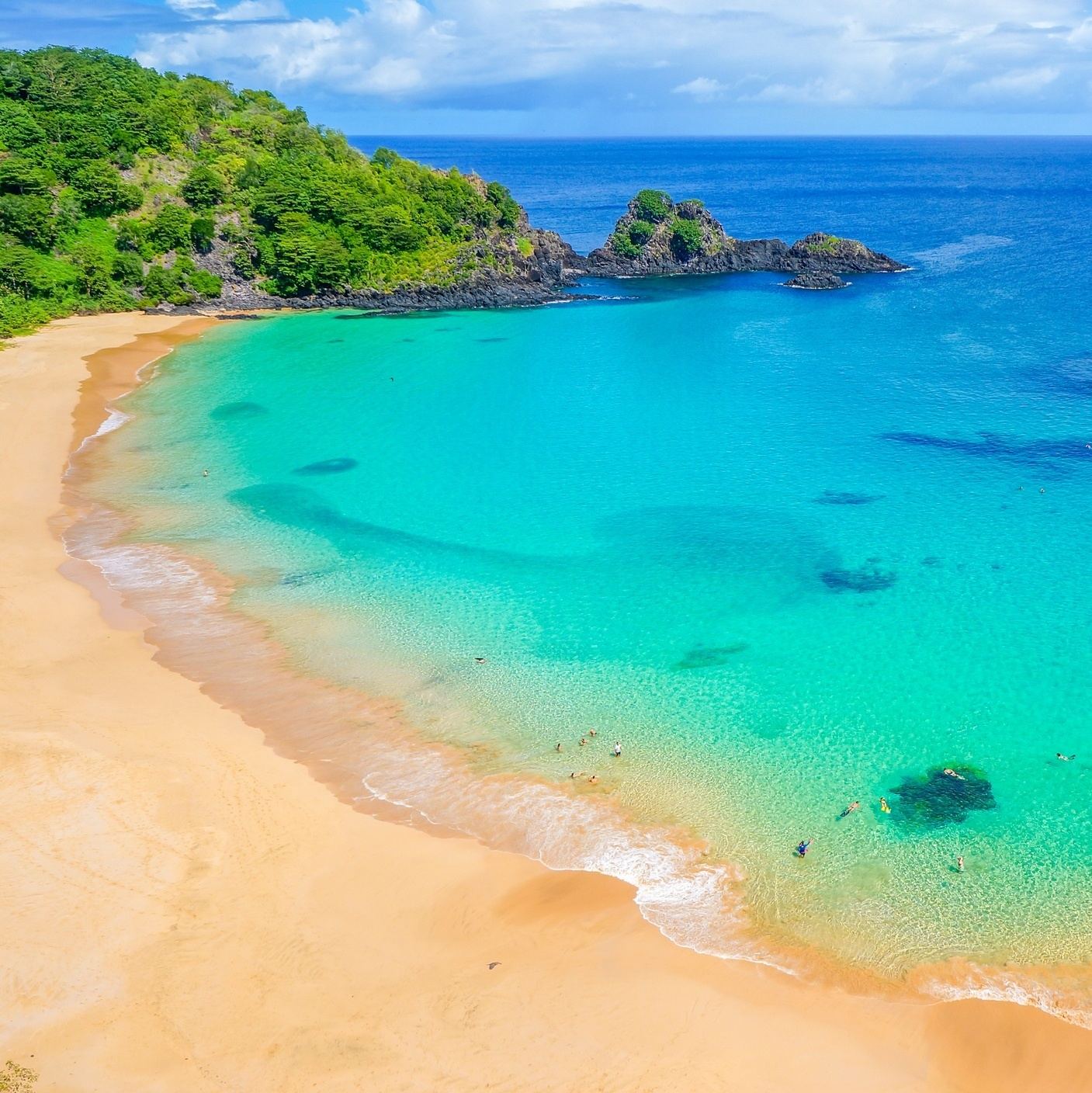
If you want the single most dramatic cove on Fernando de Noronha and you are fit enough to earn it, go to Baia do Sancho. It is the golden crescent shut inside tall green cliffs that visitors have voted the best beach in the world more than once, and the snorkelling over its right hand reef is some of the finest in Brazil. The catch is real: you reach the sand down a steep cliff staircase set into a crack in the rock, there are no services at all on the beach, and the whole thing sits inside a protected marine park.
If you want a quiet, wild, barefoot day where you can rent a chair, buy a cold drink and wander in without conquering a ladder, go to Praia do Bode. It is a wide, preserved stretch on the inner sea coast reached by a short walk of about 150 metres down a dirt path, with small natural pools among the rocks at low tide and seasonal surf for anyone who wants waves. It never pretends to be the most famous beach on the island, and that is precisely why it stays calm.
So this is not a case of one beach beating the other. Sancho wins on spectacle and marine life. Bode wins on ease, quiet and a little comfort. The honest answer depends on your legs, your tide table and what you want the day to feel like.
Who each beach is really for
Sancho suits the confident traveller who treats the descent as part of the adventure rather than an obstacle. If the idea of timed, one way ladder access excites you more than it worries you, and your plan is a calm morning in clear water watching turtles and rays, this is your beach. It is less suited to anyone unsteady on steep steps, or to a group that wants to lay out a long, lazy afternoon with food and drink to hand.
Bode suits the traveller who wants the island's wild character without the climb. Families with older children who can manage a sandy track, couples who want space to themselves, and anyone chasing a low tide rock pool will all be happier here. Surfers get a reason to visit too, since the inner sea coast picks up swell in the Brazilian summer. If your heart is set on the postcard turquoise crescent and the marine life that makes Noronha famous, though, Bode is not trying to be that.
Sand and setting
Sancho is the more theatrical of the two by a distance. It is a curve of soft golden sand hemmed in by tall green cliffs and jungle, one of the most dramatic settings in Brazil, with shade appearing under the cliffs at the right hours. The whole place feels sealed off from the world, which is a large part of the appeal and the reason the approach is so demanding.
Bode is wider, flatter and more open. It is a wild stretch of soft golden sand lying between Baia dos Porcos and its neighbouring beaches on the inner coast, backed by low cliff and the Pedra do Bode headland. There are no built structures, so it keeps a preserved, natural look. It reads as a place to spread out rather than a tight, jewel box cove, and the short walk in keeps the numbers down.
Water and snorkelling
This is where Sancho pulls ahead for most people. The water sits on the calmer inner coast and is famously clear, with excellent snorkelling visibility that is best over the rocks and reef on the right side of the bay. Turtles, rays and reef fish gather just off the sand, and dolphins are often out in the bay. On a calm morning before the boat tours arrive it is genuinely world class.
Bode's water is clear inner sea too, but it changes with the season and the tide. Outside the swell season it is calm and gentle, and at low tide small natural pools form among the rocks on the right for easy bathing. In the Brazilian summer the same coast picks up surf, which is a gift if you want waves and a nuisance if you came to float. The headline here is variability: you should read the water on the day, treat the calm as typical rather than guaranteed, and swim within your depth.
Neither beach has a lifeguard. At Sancho the real hazard is the cliff staircase, so take it slowly and keep children close. At Bode the currents and surf build in season and the pools sit among rock, so judge the sea yourself before going in.
Facilities and comfort
Be clear eyed about this: Sancho has nothing on the sand. Because it is inside a protected marine park there are no beach clubs, no vendors and no kiosks. You carry in your own water, sun cover, mask and snacks, and you carry your rubbish back out. That purity is the point, but it means the day takes planning.
Bode is wild too, yet it offers just enough. There is simple chair and umbrella rental and a drinks vendor on the sand, and no permanent built structures beyond that. It is still a bring what you need beach rather than a serviced one, but the ability to sit in shade with a cold drink is a meaningful difference when the sun is high. Neither beach has the gated day bed scene some travellers expect, because Noronha protects its coast and does not run that kind of club.
Crowds and timing
Sancho is busiest once the island boat tours arrive, so the clear window is early, before the swimmers come ashore from the water. Access is also timed and one way at busy points, which shapes your whole morning. Bode's dirt path access is its own filter, keeping the crowd thin throughout the day, which is the quieter choice if you value space over spectacle.
When the other beach wins
- You or anyone in your group is unsteady on steep steps. Sancho's ladder is hard going, so Bode wins on the day, and you can still see the famous cove by boat another time.
- It is the Brazilian summer and you want waves. Bode's inner sea coast picks up surf from roughly December to March, while Sancho stays about calm and clear.
- You want a chair, shade and a drink without a hike. Bode's chair rental and drinks vendor win over Sancho's empty, serviceless sand.
- You are chasing the best possible snorkelling and the famous marine life, on a calm dry season morning. Here Sancho wins outright, and the climb is worth it.
- Your plan is a low tide rock pool for gentle bathing with children. Bode's pools on the right at low tide make it the kinder choice.
Best months for each
Sancho is at its best from August to December, when the dry season brings the calmest, clearest water and the strongest snorkelling visibility. The wetter first half of the year is greener on land but less reliable underwater. Bode's calm swimming and pool window runs from about August to November, with December to March bringing the swell for surfers. If you are still mapping your trip, our guide to the seasons lays out how the water shifts across the year.
Whichever you choose, remember the island fees apply to both. You pay the daily environmental preservation tax, and the marine park ticket covers the protected beaches including Sancho. Budget for both before you arrive.
If you want more of the island
These two are not your only options. For the island's most social sunset with a beach bar on the sand, Praia da Conceicao is the gathering beach below Morro do Pico. For reliable turtle snorkelling in a sheltered, guided bay, Baia do Sueste is the calmest water on the archipelago. Couples weighing up the quiet coves might also read our pick of the most romantic shores, while anyone set on peace and space can browse the most secluded beaches on the island.
Plan a club day on Fernando de Noronha
Noronha does not run gated day bed clubs on its protected sand, so what matters is lining up the operators, kiosks and trips that genuinely run here before you commit. See the verified options on the Fernando de Noronha beach clubs page to enquire about a day on the island, where we confirm current details rather than invent them.