Angol or Ilig Iligan: which Boracay beach to pick
Published 2026-10-16. Conditions described are typical and never guaranteed.
Here is the short answer before you scroll. If you want soft powder sand, a gentle dry season paddle for small children and food, drinks and dive shops within a few steps, pick Angol Beach at the quiet south of White Beach. If you want a secluded, forest backed cove with some of the best beach snorkelling on the island and you are willing to pack your own gear, pick Ilig Iligan Beach on the northeastern coast. Both are free public sand, both are usually calm in the dry season, and neither should be treated as having reliable lifeguard cover. The difference is what you want from the day, not which beach is objectively better.
The quick verdict by type of reader
These two beaches sit on opposite coasts and attract opposite moods, so the right pick depends almost entirely on who you are travelling with and what you plan to do once you are there.
- Families with very young children: Angol wins. The sand is fine and cool, the dry season water is shallow over sand, and you are close to toilets, snacks and shade without a long tricycle ride.
- Keen snorkellers and nature seekers: Ilig Iligan wins. The clear water and the rocks and coral near the southern headland gather fish, and the forest behind gives natural shade that White Beach cannot match.
- Value minded travellers who want to stay near the action: Angol wins again. It holds much of old Boracay, with budget guesthouses and casual eateries, and you can walk the beach path to the busier stations.
- Couples who want a quiet, natural cove: Ilig Iligan edges it, as long as you accept limited facilities and a short journey.
Sand and setting
Angol runs the southern end of White Beach, the stretch many people still call Station 3, down to the rocky Angol Point. The sand here is the same famous powder that runs the length of White Beach, soft underfoot and kind to small feet. It narrows a little towards the point, where coral and rock begin to replace the open sand, but the main stretch is a proper sweep of beach with room to settle. The setting is lived in and casual rather than polished, which is part of its charm and part of its lower prices.
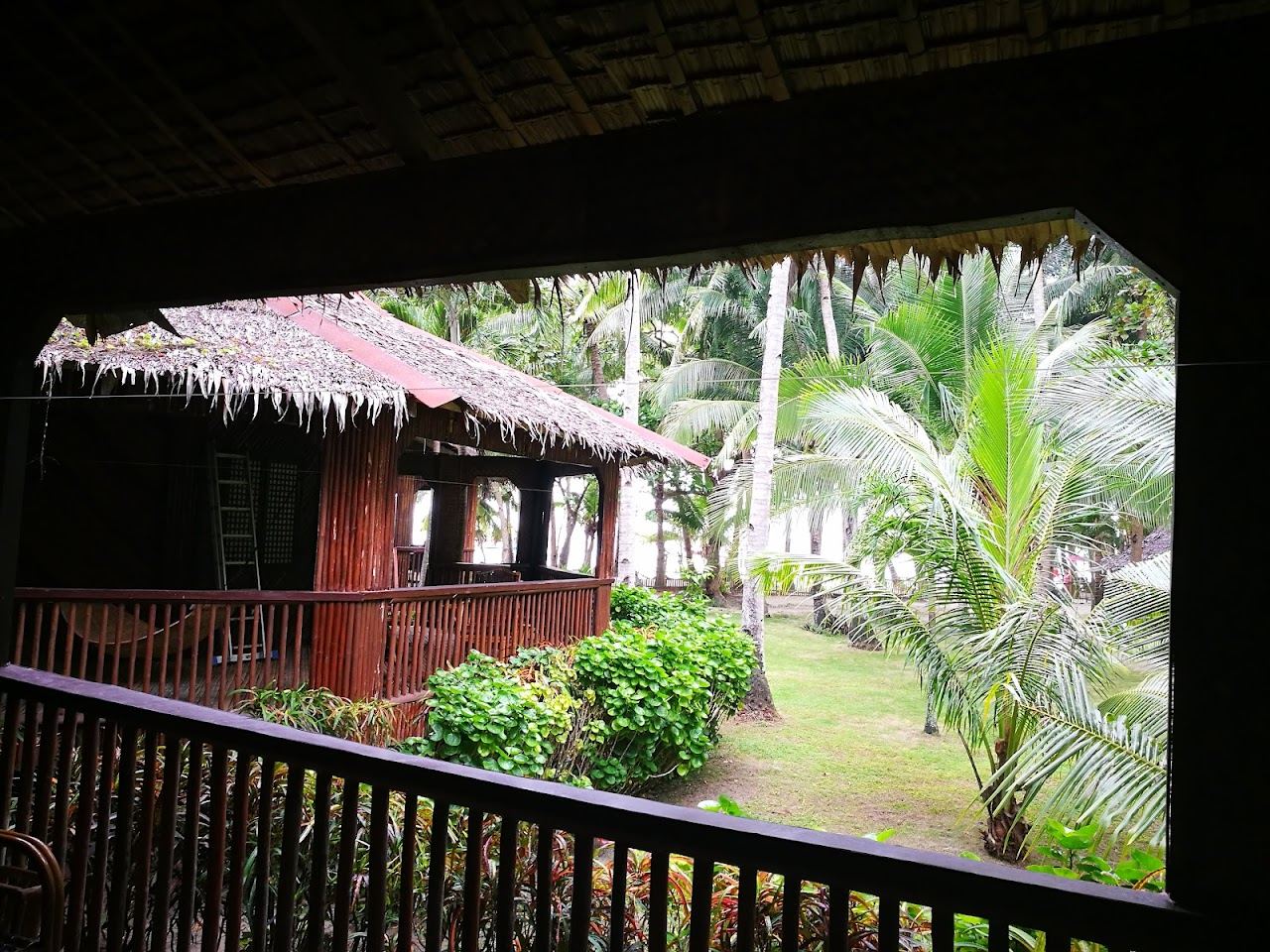
Ilig Iligan is a different kind of place entirely. It is a pocket of soft, pale sand backed by a patch of green forest, with rocks and coral towards the headlands. The forest is the headline feature. Where Angol gives you an open, sociable strip, Ilig Iligan gives you an enclosed, natural cove where the trees throw real shade over the sand. If your idea of a good beach day involves a tree over your head and few people around, this coast is built for you.
Water and swimming
Angol faces west, and in the dry Amihan season from roughly November to May it is usually calm and shallow over sand, the gentle side of Boracay for a family paddle. That west facing calm is exactly why parents like it. The catch is the seabed near Angol Point, which turns rocky and reefy, so keep small children in the open sand to the north and read the sea yourself before going in. The wet Habagat months from June can bring wind and seaweed to this coast, so time your visit if calm water matters.
Ilig Iligan faces east, which changes the calculation. The water is clear and gentle over the sand in calm conditions, with rocks and coral near the points that gather fish. On a still morning it is lovely. But the east facing cove can catch the Amihan wind in the windy months, so the same season that keeps Angol glassy can put a chop on Ilig Iligan. The honest rule is to go early and check conditions on the day. Neither beach makes any promise of safe swimming, and both are open sea.
The single biggest factor that flips this decision is wind. The Amihan season that calms Angol is the same season that can ruffle the east facing cove at Ilig Iligan, so a windy forecast pushes you back to the west coast.
Snorkelling: the clearest point of difference
This is where the two beaches separate most sharply. Both have reef, but they reward different styles of snorkeller.
Angol Point at the very south is a shallow, gently sloping reef with a coral garden and varied marine life, popular for easy snorkelling and shore dives. Wear water shoes, mind the coral with your fins, and keep children close as the bottom turns rocky away from the open sand. It is a genuine bonus to a beach that is really about the calm family paddle, and the dive shops set back behind the shore make it easy to arrange a trip, with rates to be confirmed on the day.
Ilig Iligan is one of the better beach snorkelling spots on the island, and snorkelling is the main event rather than a side show. The clear water and the rocks near the southern headland draw colourful fish, and you can swim around the point to quieter bays. The trade is self sufficiency: bring your own mask and snorkel, because there is no busy strip to hire from. If snorkelling is the reason you are choosing a beach at all, this is your winner.
Facilities and crowd
Angol is the more serviced of the two, in a budget, casual way. Guesthouses, small restaurants and a few dive shops back the stretch, thinner and simpler than the polished Station 1 resorts or the busy Station 2 strip, but everything you need is close. The crowd is quieter than the middle of White Beach, with far fewer vendors, yet you are never far from a cold drink or a plate of food. For families who do not want to carry a day's worth of supplies, that convenience is worth a lot.
Ilig Iligan asks more of you. Facilities are limited, with some resort development and occasional vendors but no busy restaurant strip. You should bring water, snacks and snorkel gear for a longer stay, and the forest gives the shade that you would otherwise pay for. The reward is space and quiet. Many island hopping boat tours call here, so it can see a midday flurry, but outside those windows it stays peaceful. If you value seclusion over convenience, that is the whole point.
Getting there
Angol is simple. It is the southern end of White Beach, reachable on foot along the beach path from the stations or by a short tricycle ride. You can drift between the quiet south and the busier middle as the mood takes you.
Ilig Iligan takes more planning. It sits on the northeastern coast, reached by tricycle along the main road through the Newcoast area, roughly fifteen to twenty minutes from the White Beach stations. Agree the fare in advance and allow time for the return, because it is a quieter corner and you cannot rely on a steady stream of rides. That small effort is the price of the seclusion, and it is also what keeps the cove calm.
When the other beach wins
No single answer fits every day, so here is where each loses to the other.
Angol loses when your trip is built around snorkelling and you want a natural, forest fringed setting with real shade and few people. On a calm morning, Ilig Iligan simply offers a richer, wilder swim among the fish, and the trees make the long middle of the day comfortable without a lounger.
Ilig Iligan loses when you have toddlers, limited patience for logistics, or a windy forecast. The journey, the thinner facilities and the east facing exposure all count against it on the wrong day. When you want the reassurance of calm shallow water, nearby food and an easy walk home, Angol is the safer, friendlier choice. It is also the better pick if you are watching your budget, since the south of White Beach holds most of the island's casual eateries and guesthouses.
If neither feels quite right, there are close cousins to consider. The free northern cove at Diniwid Beach offers seclusion with easier access, the private cove at Balinghai Beach trades an entry fee for controlled quiet, the watersports bay at Bulabog Beach is for kites rather than swimming, and Cagban Beach is the arrival port, not a beach day at all. Our guide to choosing between Angol and Diniwid is a useful next read, and the family beach rundown and quiet beach picks help you line up the whole trip. If timing is your worry, the season notes explain how Amihan and Habagat change both coasts.
Plan a club day in Boracay
Angol and Ilig Iligan are both free public sand, so they are about the beach itself rather than a serviced club. If you also want a lounger, a pool or a proper lunch as part of the day, browse the Boracay beach club collection to compare venues and enquire about a day pass, with current rates and opening details to be confirmed directly.