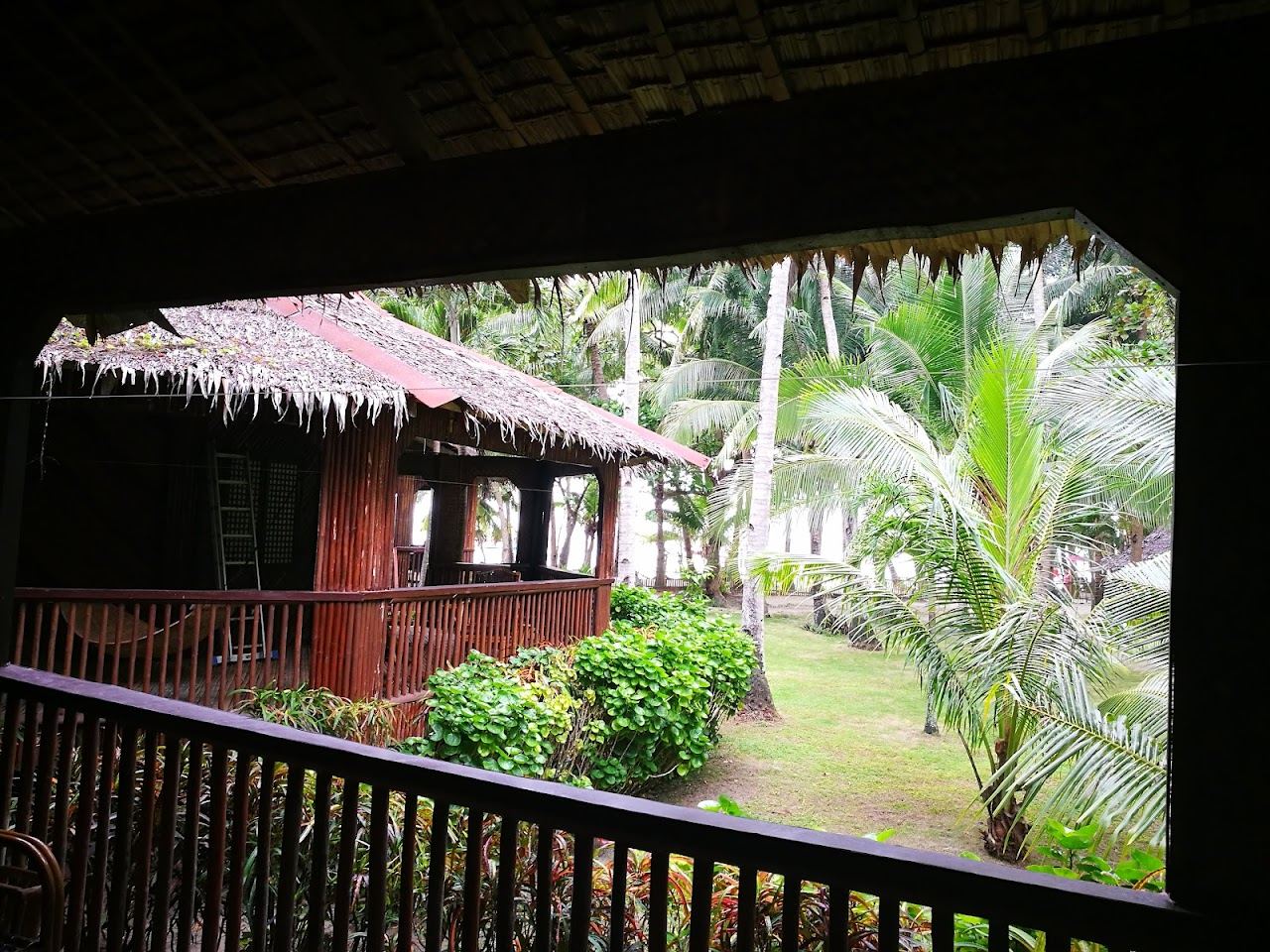
Angol Beach or Diniwid Beach: which Boracay cove wins
Published 2026-10-01. Conditions described are typical and never guaranteed.
The short answer first
Both of these shores give you the thing that makes Boracay famous, the same fine pale powder and the gentle west facing water, without putting you in the thick of the Station 2 crush. So the choice is not about quality of sand. It is about shape, access and mood. If you want the quiet southern end of the long strip, with budget food, dive shops close by and a shallow reef to snorkel at the point, book yourself into Angol Beach. If you want a small, tucked away cove that is easy to supervise and quick to reach from the smart end of White Beach, go to Diniwid Beach.
Here is the one line that decides it for most people. Angol is an end of a very long beach, so it feels open and connected and cheap. Diniwid is a separate pocket behind a headland, so it feels contained and a little more private. Pick the feeling you want, then read on for the conditions that flip the answer.
Who each cove is really for
Angol suits families and value minded travellers who like the idea of the White Beach sand and calm dry season water but refuse to pay Station 2 prices or fight Station 2 crowds for it. It is the old Boracay side, the quiet southern stretch that many people still call Station 3, and it keeps the soft underfoot sand running almost all the way down before the coral starts. You get the same lovely sea at a quieter end, with budget guesthouses, small restaurants and a few dive shops set back behind the shore.
Diniwid suits families and couples who want that same calm, clear water and fine sand but prefer a small cove they can take in at a glance. It sits just north of Station 1, tucked behind the headland, so it has a fraction of the crowd while being only a few minutes from the polished end of the main beach. The compact size is the whole point: easy to watch children, easy to settle, easy to leave.
Rule of thumb: choose Angol for budget, snorkelling and a long open shore. Choose Diniwid for a contained, quieter cove close to Station 1.
Sand and the shape of the shore
On sand alone these two are near twins, because both are made of the same fine, cool powder that runs the length of White Beach. The difference is the shape of what that sand sits on.
At Angol the beach is a long open stretch. It stays soft and generous for most of its length and only narrows towards the far south, where coral and rock begin to replace the open sand around Angol Point. That transition is a feature if you want to snorkel and a thing to watch if you have small children, because the seabed turns rocky and reefy as you move south.
At Diniwid the beach is a short sandy curve hemmed by the headland, the next cove along from Station 1. It is the same comfortable, gentle sand, but it is narrow, and it shrinks at high tide. On a small cove that matters: at the top of the tide there is simply less room to spread out, so the morning, lower water hours are the most relaxed. Angol, being a longer shore, gives you more space to find your own patch when the day fills up.
Water and swimming
Both face west, both are usually calm and shallow over sand in the dry Amihan season, and both are at their best in the morning. Neither can promise a safe swim, and this is important: treat both as having no reliable lifeguard cover. They are open sea. Keep children in the shallows, read the conditions yourself before going in, and do not assume the water will behave just because it looks gentle.
The practical swimming difference is the seabed at the edges. At Angol the water is a clean gentle paddle over sand across most of the stretch, but near Angol Point the bottom becomes reef and rock, so water shoes help and small children need to be kept close there. At Diniwid you get a gentle sandy shelf across the cove, which is part of why it reads as one of the easier family coves on the island, though the cove shape that shelters it can still pick up wind and seaweed in the wet months.
One honest caveat for both: this is the gentle side of Boracay in the dry season, but the wet Habagat months from around June can bring wind, rain and seaweed to this coast. If you are travelling then, temper your expectations and watch the forecast. For a wider view of the seasons it is worth reading the island's guide to timing your trip before you commit to dates.
Facilities, food and getting there
Angol is the budget and casual end. Behind the sand you find budget guesthouses, small restaurants and dive shops, a remnant of old Boracay that is thinner and simpler than the Station 1 resorts or the busy Station 2 strip. Everything you need is close, prices tend to run lower, and the dive shops make the snorkelling at the point easy to organise. Any rates for loungers, food or trips are to be confirmed on the day.
Diniwid is low key rather than budget. A handful of small resorts, cafes and a couple of casual restaurants line the cove, enough for shade, a meal and a cold drink without the bustle of the main strip. Bring anything specific the children need, because choice is limited by design. Note too that venues here come and go: the well known Spider House restobar at the far end was closed and removed after the 2018 rehabilitation, and the cafes that remain change names and hours, so confirm directly before relying on any single spot.
Access is a genuine deciding factor. Angol is reached along the beach path or by a short tricycle ride, flat and straightforward. Diniwid is reached either by a scenic cliff path from Station 1 or by road via Diniwid Road. That cliff path is narrow and uneven in places, so if you have a stroller or a nervous walker, take the road. If steps, paths and controlled access are a concern more broadly, families often find it useful to compare options on the family focused overview of the island.
Crowds and mood
This is where the two part ways most clearly. Angol is quiet by White Beach standards, with far fewer vendors than the middle, but it is still part of a continuous, walkable strip, so it carries some of that passing energy. Diniwid is a destination of its own, separated by the headland, so it feels more secluded for most of the day. The flip side: Diniwid is small and can get busy at sunset, when its size works against it and Angol's longer shore has more room to absorb the crowd.
For couples chasing a calm, romantic cove, Diniwid usually has the edge, and the island's couples guide leans the same way. For a sociable, value driven family base with snorkelling on the doorstep, Angol is the more practical pick.
When the other one wins
No single answer survives every situation, so here is where each loses to the other.
- Choose Diniwid over Angol if you want a contained cove you can supervise at a glance, you are staying near Station 1, and seclusion matters more than price.
- Choose Angol over Diniwid if you want to snorkel the reef at Angol Point, you want budget food and dive shops within steps, or you want a long open shore with room to move at busy times.
- Arriving at high tide with a stroller and small children? Angol's longer, flatter shore and easier access are kinder than Diniwid's narrow sand and cliff path.
- Want true seclusion and will pay for it? Neither free cove is the answer. Look instead at the private northern cove of Balinghai Beach, reached through a resort for a fee, and weigh the trade in the secluded beaches roundup.
If snorkelling is your whole reason for the day, Angol is the clear winner here, since Diniwid is a swimming cove rather than a reef. If supervising a toddler in a small, enclosed space is your priority, Diniwid takes it. Everything else sits between those two poles.
Plan a club day in Boracay
Once you have settled on your shore, you may want to pair it with a day on a lounger with service and shade. See the Boracay beach clubs page to compare venues and enquire about a club day, and use the wider island hub to line up the rest of your trip.