Motu Fareone
Best for. Snorkellers and quiet water lovers who want a tiny wild islet with white sand and easy, clear lagoon swimming rather than a serviced resort beach.
Best spot. The shallow channel between Motu Fareone and its neighbour Motu Tiahura, the standout easy snorkel with sand, coral and often rays.
Know this. This is a natural motu with no shops, reached by kayak or boat. Bring water, sun cover and reef shoes, mind the coral, and take everything out with you.
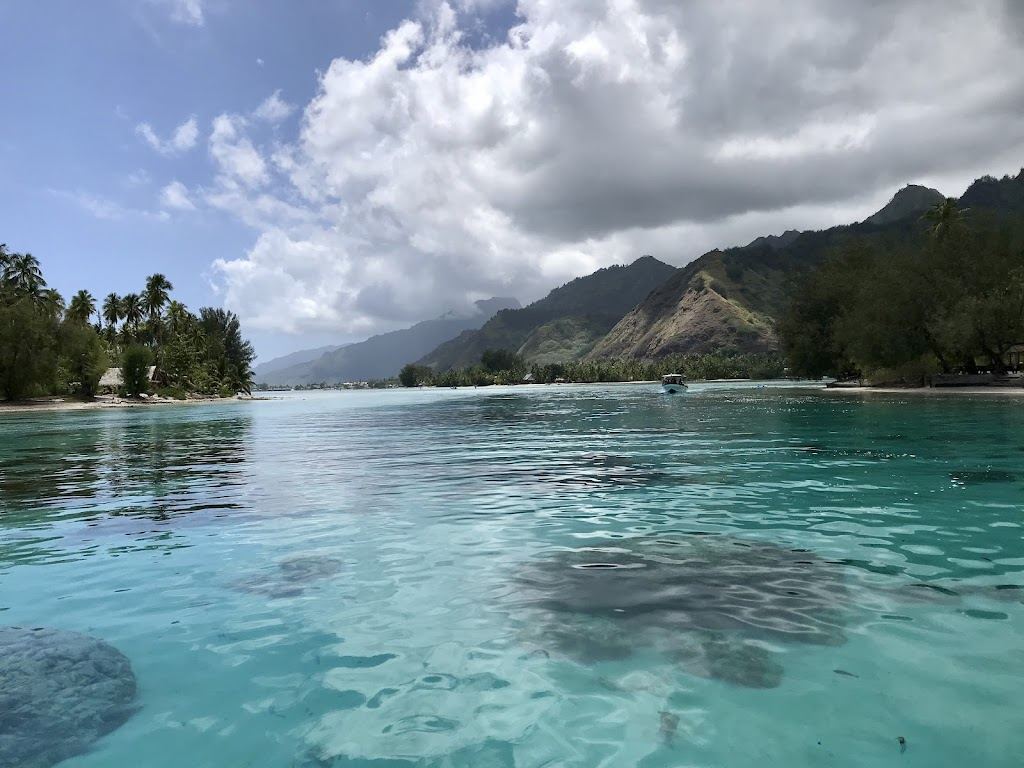
Off the northwest corner of Moorea, where the lagoon runs wide and pale, two little motus sit just inside the barrier reef, and Motu Fareone is the quieter of the pair. It is a scrap of an island, a ring of powdery white coral sand around a fringe of palms, with clear shallow water on every side and its neighbour Motu Tiahura a short paddle across the channel. Against the green wall of Moorea mountains behind, it is about as close to the postcard idea of a desert island as an easy day trip gets.
The honest read is that the water is the reason to come, not the sand. The islet itself is tiny and bare, with no shade to speak of and nothing to buy, so the pleasure is in the snorkelling and the swimming rather than in lounging with a drink. The channel between the two motus is the standout, shallow and clear over white sand and coral heads, thick with butterflyfish and often crossed by stingrays, and gentle enough for beginners and children. A nearby sandbank draws small blacktip reef sharks, best seen with a guide who knows the spot.
As a naturalist this is exactly my kind of beach, all lagoon and reef and very little else. My day here is a slow kayak out from Tiahura on a calm morning, a long snorkel across the channel while the light is clear, and a spell on the sand between swims with water and a hat rather than a lounger. Come self sufficient, mind the coral with reef shoes, and carry everything out again. Skip Motu Fareone if you want service and shade, and choose it if you want the clear, quiet heart of Moorea lagoon.
No club, just lagoon
Motu Fareone is a wild natural islet with no beach club, though the neighbouring motu has a lunch spot.
Motu Fareone has no daybed club and no bar, and that is the appeal. It is a tiny natural islet you reach by water, where the only programme is swimming, snorkelling and sitting on white sand between dips. Come with your own water, shade and gear, and treat it as a wild lagoon spot rather than a serviced beach with anything laid on.
If you want a table and a meal, the neighbouring Motu Tiahura has a lunch restaurant with its own boat transfers, and back on the main island our Moorea beach clubs and hotel beach guide gathers the serviced options worth your day. Keep Motu Fareone for the clear water, the reef fish and the quiet.
Northwest Moorea lagoon
Motu Fareone lies off the northwest of Moorea near Hauru Point, just inside the barrier reef beside Motu Tiahura. The usual way out is by kayak from the Tiahura and Hauru Point beaches, a paddle of around twenty minutes on calm water, with rentals at nearby hotels such as Les Tipaniers. You can also reach it by small boat or on a lagoon tour, and lunch on Motu Tiahura comes with its own transfers.
Plan for a self sufficient day on the water. Bring drinking water, sun cover, snorkel gear and reef shoes, choose a calm, clear morning for the crossing and the best visibility, and take all your rubbish back with you. Mind the coral when you snorkel, keep children close in the deeper channel, and give the reef and the reef sharks the respect a wild lagoon deserves.
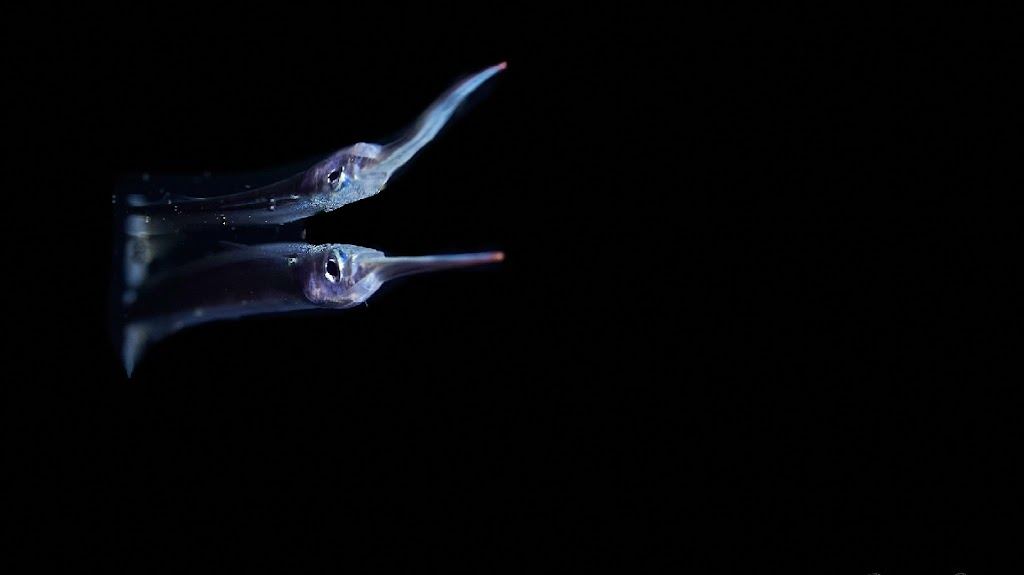 Photo: Moorea Dark Waters via Google
Not ready to book?
Keep the good shorelines coming. Shore Notes is our occasional letter on the best beaches and the clubs worth your day, sent straight to your inbox. One field, unsubscribe any time.
Book a beach club
The motu has no club, but tell us your dates and party size and we will help arrange a Moorea lagoon or beach day. We reply by email.
Independent and honest · 1,340 beaches ranked across 103 destinations · We answer to no resort
We are an independent editorial resource. Booking requests are passed to clubs and operators, and some may earn us a commission at no cost to you. Prices, availability and opening status are set by the venue and are to be confirmed at the time of booking.
Common questions about Motu Fareone
Where is Motu Fareone?
Motu Fareone is a small islet off the north western corner of Moorea, near Hauru Point, sitting just inside the barrier reef beside its neighbour Motu Tiahura. The two motus are separated by a short channel, and both are ringed with white coral sand and surrounded by the shallow, clear water of the lagoon, a short paddle or boat ride from the beaches around Tiahura.
How do you get to Motu Fareone?
The easiest way is by kayak from the Tiahura and Hauru Point area, a paddle of roughly twenty minutes across calm lagoon water, with rentals available at nearby hotels such as Les Tipaniers. You can also reach the motus by small boat or as part of a lagoon tour, and some visitors combine it with lunch on Motu Tiahura, which arranges its own transfers.
Is the snorkelling good at Motu Fareone?
Yes, the channel between Motu Fareone and Motu Tiahura is one of the best easy snorkelling spots on Moorea. The water is shallow and clear, rarely more than a couple of metres deep, with white sand, coral heads, butterflyfish and often stingrays. It suits beginners and children, and a nearby sandbank is known for small blacktip reef sharks, best visited with a guide.
Can you spend the day on Motu Fareone?
You can enjoy the white sand and the swimming, but come self sufficient. The motu is a tiny natural islet with no shops, so bring water, sun cover and reef shoes, and take everything out with you. Shade is limited, the sun is strong, and the appeal is the setting rather than any facilities, so treat it as a wild lagoon spot rather than a serviced beach.
When is the best time to visit Motu Fareone?
The drier season from about May to October brings the most settled weather and the clearest lagoon water, and calm mornings are ideal for the paddle out and the snorkelling. Humpback whales pass offshore between August and November, seen on guided trips beyond the reef. Go on a calm, clear day for the easiest crossing and the best visibility over the sand and coral.