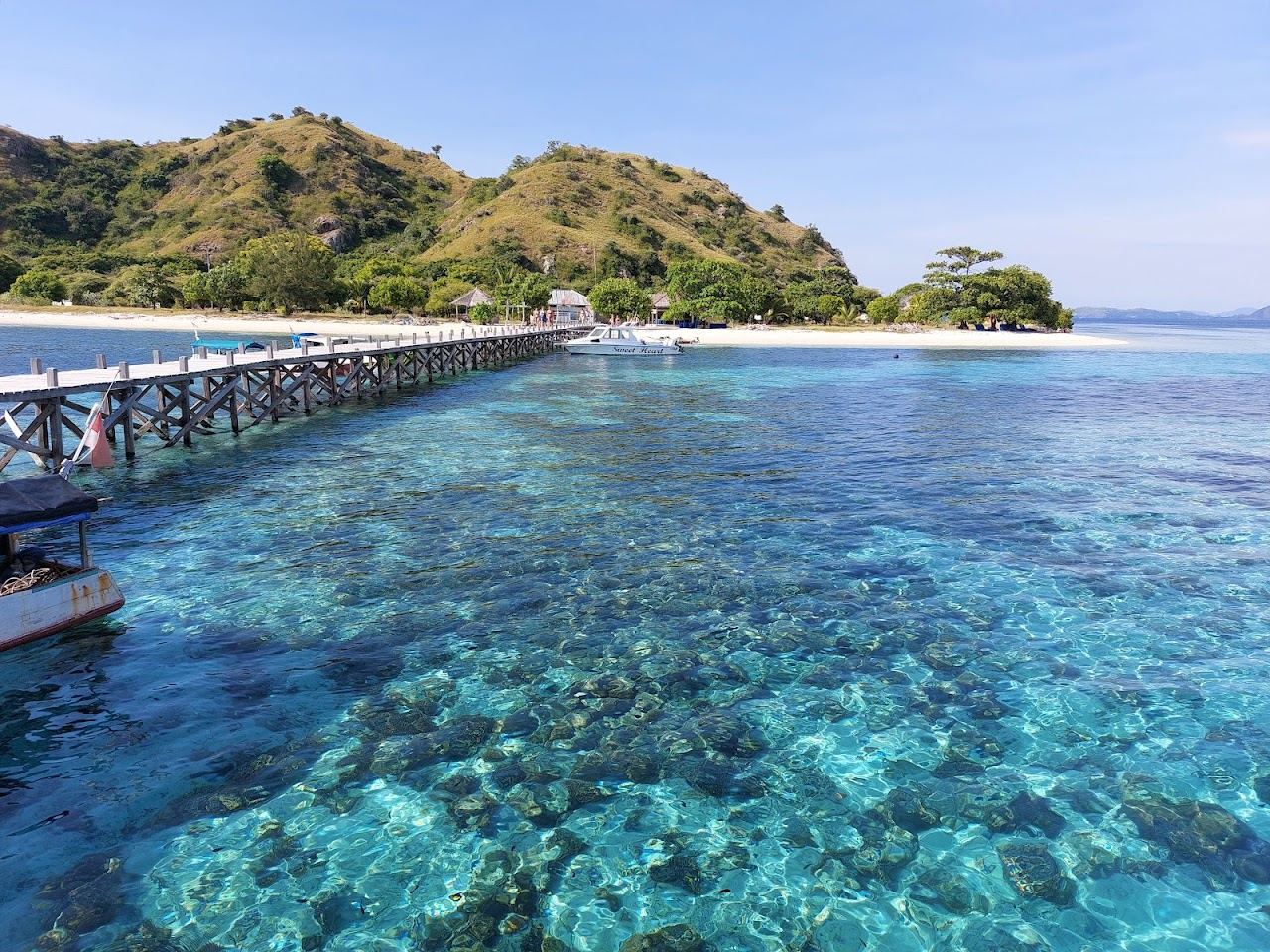
Kanawa or Padar Beach: The Labuan Bajo Verdict
Published 2026-09-22. Conditions described are typical and never guaranteed.
The verdict in one screen
These two are not rivals so much as two entirely different days, and the mistake most visitors make is expecting one to do the job of the other. If you want to actually get in the water, float over coral from the sand and let children play without managing a current, Kanawa Island Beach is your answer. If you want the most famous photograph in the region, the sweep of three coloured bays from a high ridge at first light, then Padar Island Beach is the one, on the strict understanding that you are coming to climb and look rather than to swim.
Put plainly: Kanawa is a swimming and snorkelling beach that happens to be pretty. Padar is a viewpoint that happens to have sand. Book both if your wider Komodo itinerary allows, because they answer different needs and rarely disappoint the reader who understands what each is for. The trouble only starts when someone climbs Padar expecting a beach day, or turns up at Kanawa hoping for the postcard panorama.
Who each shore suits
Kanawa is built for families and nervous or easy snorkellers. It is the gentlest snorkel stop on the route on a typical day, with a shallow reef sitting close to shore that you can reach straight off the sand. There is no long crossing to endure and, on a calm day, little current to read. That combination makes it a favourite for children and for adults who would rather not wrestle open water.
Padar suits photographers and first timers who want the headline view and understand the terms. It is a stepped climb to a ridge, exposed and steep, that opens onto the three curving bays below. Older children who are steady on their feet usually manage it well. It rewards effort and an early start, not a towel and a long lazy afternoon.
Simple rule of thumb: if the goal is to be in the water, choose Kanawa. If the goal is to be above it with a camera, choose Padar.
Sand
Kanawa gives you a clean sweep of soft white sand that slopes gently into the shallows. It is comfortable underfoot and forgiving for children playing between snorkels, a proper beach you can settle on for hours.
Padar is a different proposition entirely. Below the ridge sit three bays, one pale white, one dark volcanic, one soft pink, and the point is that you view them from the climb rather than walk them end to end. The pink comes from fragments of red coral worked through the sand and reads more clearly in soft morning light. There is a sand landing in the north bay where boats anchor, but the colours are best appreciated from above. If it is pink sand at ground level that you are chasing, the longer, softer pink bay at Long Beach on Padar is the more rewarding stop, and there is a fuller head to head on Kanawa and Long Beach if that is the choice you are really weighing.
Water
This is where the two beaches separate most sharply. At Kanawa the water is clear and shallow, with a coral reef close in that you can float over straight from the sand. On a calm day it is the easiest shore snorkel on the Komodo route, an easy entry for children and a gentle, forgiving shallow patch. Conditions still change with the tide and are never guaranteed, so supervise children in the water and over the reef, but the setup is about as friendly as it gets out here.
Padar wraps in bright blue water that looks impossibly inviting from the ridge, but the channels between the bays run deep and can carry a brisk current. This is a view rather than a casual paddle. Treat it as the sight of the day and save the swimming for a gentler stop. Neither island has lifeguard cover, which is to be confirmed at both, so at Padar in particular read the deep water and the current yourself before anyone considers getting in.
Facilities
Do not arrive at either expecting a resort scene. Kanawa has a jetty and basic island facilities, with simple food sometimes available on the day. The sensible approach is to bring your own water, snacks and sun cover and treat anything more as a bonus, which keeps a family day here easy and self sufficient. Shade is thin, so bring your own sun protection and plan around the tree by the sand rather than relying on it.
Padar is barer still. There is a landing jetty in the north bay and nothing else, so pack water, sun cover, snacks and proper shoes for the climb as you would for any boat stop. Both islands sit within a wider day on the water, but Padar carries the additional practical weight of a hike, which changes what you bring and when you go.
Fees and getting there
Kanawa is reached by boat as a short hop from the harbour, usually one stop on a day trip or a transfer to an island stay. Any island or jetty fee is to be confirmed and is typically handled through your operator. Padar sits inside Komodo National Park, so a park and conservation fee applies, usually arranged through your boat or tour rather than at the sand. Do not invent a number for either in your own planning; confirm the current fees with your operator when you book.
Both crossings are briefest and smoothest in the dry season, roughly April to November, which also brings the clearest snorkelling water at Kanawa and the cleanest morning light on the Padar bays. If timing is your main question, the seasonal guide for the region is worth a read before you lock in dates.
Crowd and timing
Padar is a magnet, and its magnetism is concentrated. The first boat of the morning up the stepped path buys you the wide view before the heat and the crowd arrive; leave it later and you climb in full sun alongside everyone else. The climb takes most people between twenty and forty five minutes and is fully exposed, so early is not a luxury here, it is the whole strategy.
Kanawa carries its visitors more gently. As a relaxed boat stop close to town it tends to feel calmer, and because the appeal is the water rather than a single viewpoint, people spread out along the sand and into the shallows rather than queuing for the same frame.
When the other one wins
Padar wins outright if your priority is the photograph and you have a sunrise slot. No amount of easy snorkelling at Kanawa replaces that ridge view, and for photographers and view chasers it is the reason to be in Labuan Bajo at all. It also wins for the reasonably active traveller who wants a short, memorable climb built into a day on the water rather than a passive beach.
Kanawa wins the moment the day is about swimming, small children, or nervous snorkellers. It wins when the sea is up and Padar feels like too much effort for too little water time. And it wins for anyone who simply wants to lie on soft white sand and drift over a reef without a hike or a current to manage. If you want the classic viewpoint but with a shorter scramble, the smaller cone at Kelor is a gentler alternative, weighed up properly in our Kanawa or Kelor comparison.
One honest caveat that applies to both: neither is a facilities beach and neither offers a guaranteed calm swim. If what you actually want is an easy, free paddle close to town with simple food and a sunset, the gentle town beach at Waecicu does that job better than either park island, and asks nothing of you but a short hop from the harbour.
How to split the difference
The best answer for most readers is not to choose at all. Many Komodo day trips pair a dawn climb with a snorkel stop, so you can stand above the coloured bays in the cool early light and be floating over Kanawa's reef by late morning. That sequence, view first while it is cool, water second while it is calm, is the itinerary that leaves nobody disappointed. Families weighing the practicalities will find more in our family focused notes for the area, while couples after a quieter stretch of sand can start with the secluded shore roundup.
Turn a beach day into a club day
If you would rather bookend all this boat time with a proper base on the sand, browse the Labuan Bajo beach clubs and enquire about a club day to frame your island trips. It is the easy way to add shade, food and a sunset seat to a schedule that otherwise lives entirely on the water.