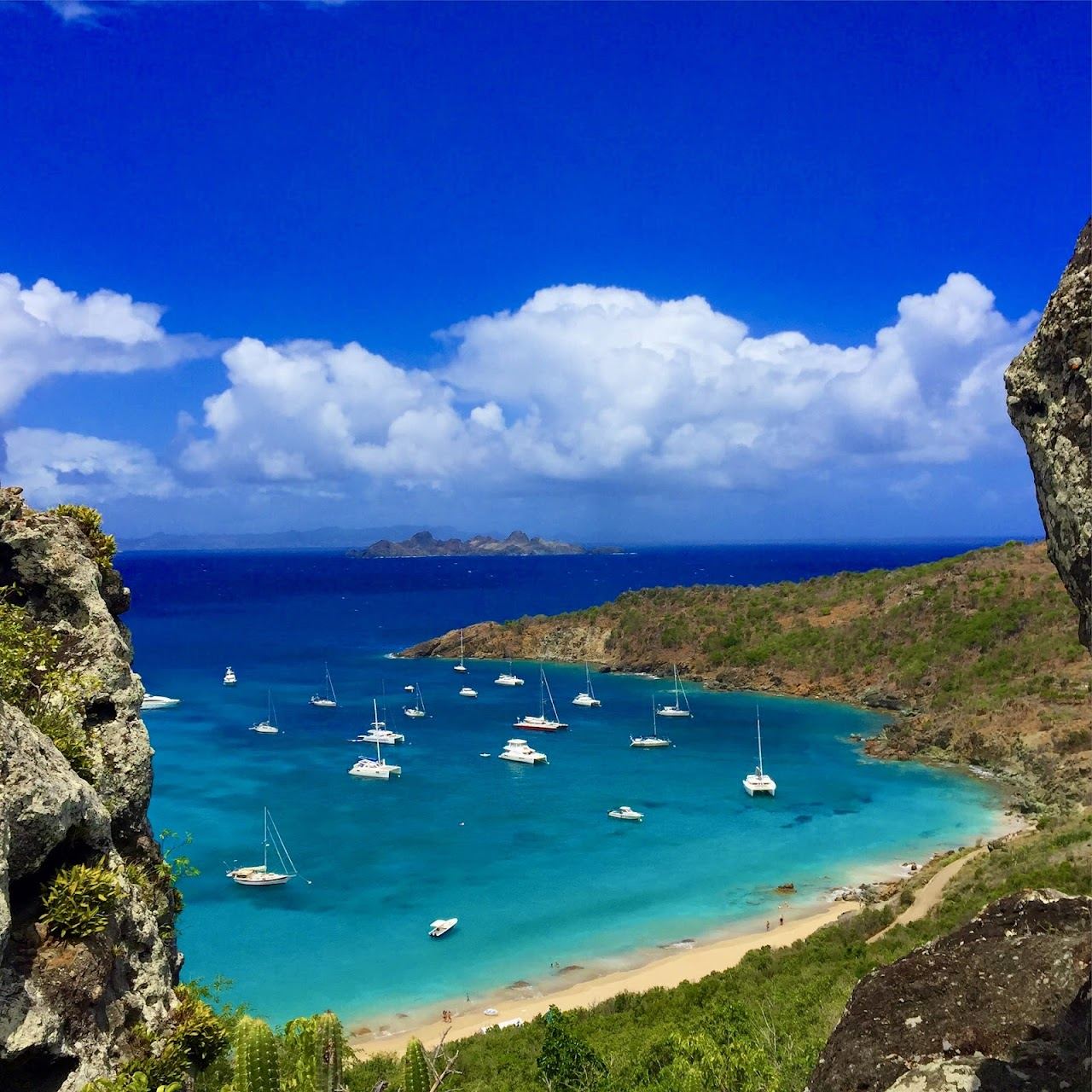
Colombier Beach or Lorient Beach: which St Barths shore
Published 2026-10-13. Conditions described are typical and never guaranteed.
Here is the short answer before you read a word more. If you want the island's best snorkelling and you are happy to earn your sand on foot or by boat, go to Colombier Beach. If you want a genuine village beach where a calm family end and a real surf break sit side by side, with bakeries and a grocery a short walk behind you, go to Lorient Beach. These two are not competing for the same afternoon. One is a remote reserve cove with nothing on it. The other is a working local bay in the middle of everyday St Barths life. Pick by how much effort you want to spend and what you want the water to do.
The quickest way to choose
Colombier suits the active and the self reliant. There is no road in, no shade to speak of, and no facilities at all, so it rewards people who pack water, snacks, sun cover and their own mask. In return you get a quiet curve of soft pale sand at the head of a sheltered bay inside the Saint Barthelemy marine reserve, and some of the best close to shore snorkelling anywhere on the island.
Lorient suits people who want options without a plan. Roll up off the village road, park on the verge, and walk straight onto a long stretch of pale sand shaded by sea grape trees. The eastern end holds shallow clear pools that locals call the basins, gentle for children. The western side opens to the swell and forms the best known surf break on St Barths. You choose your end to match the day.
Neither beach has a lifeguard, and conditions on both are typical only rather than guaranteed, so read the water yourself every time and keep children close.
Sand and setting
The character of each beach starts with how you arrive. Colombier is deliberately hard to reach, and that difficulty is the whole point. You walk the coastal trail from the far end of Anse des Flamands, roughly twenty to thirty minutes past Petite Anse before the path drops to the cove, or you take the steeper descent from the end of the Colombier road, or you anchor off the bay by boat. The sand itself is modest, a relaxed session beach rather than a sprawling camp, and the lack of a road keeps it quiet and uncrowded even in high season.
Lorient is the opposite in every practical way. It runs long and open through the village, backed by low sea grape trees instead of resorts, and the trees give you the natural shade that Colombier simply does not have. Island families and surfers use it as much as visitors do, which keeps it honest and unpolished. You feel like you have stumbled into real island life rather than a hotel front, and that is exactly its appeal.
If the setting is the deciding factor: choose Colombier for seclusion you work for, and Lorient for a beach that is already woven into a village.
The water, and where each one wins
This is where the two beaches separate most clearly. Colombier sits inside the marine reserve, sheltered and typically calm and clear, with anchored sailboats dotting the bay. The ban on fishing means the underwater life is thriving, so you can expect reef fish, sea turtles and starfish along the rocky edges of the cove. It is gentle swimming with an aquarium attached. There is no lifeguard and the remoteness means help is not close, so swim within your limits, but the reserve water is usually forgiving.
Lorient has two moods in one bay. The eastern basins stay shallow and calm behind the reef, easy for young swimmers and pleasant for a casual snorkel. The western side catches the swell and builds a reef break that works mainly on the north swells of the winter months. That split is a feature, not a flaw, as long as you respect it. Keep small swimmers firmly at the sheltered end, watch for any current near the reef, and remember that one calm looking end does not mean the whole bay is safe.
When Lorient wins the water contest: if you have a surfer in the group, or you want a calm family paddle and a wave to play with on the same morning without a hike, Lorient is the obvious pick. The Colombier snorkelling is better, but Colombier gives you only one kind of day.
When Colombier wins the water contest: if snorkelling is the reason you came, nothing at Lorient matches a protected reserve where the fish, turtles and starfish are thick close to shore. Bring your own gear, because nothing is for hire at either beach, and work the sheltered sides of the cove.
Facilities and food
Be clear eyed here, because it flips the decision for a lot of readers. Colombier has no restaurants, no toilets, no showers and no rentals, and almost no shade. The nearest services sit about twenty minutes away on foot around Petite Anse and Anse des Flamands. This is a pack in and pack out beach in the fullest sense, right down to carrying your own rubbish back out. Turn up unprepared and you will regret it well before lunch.
Lorient has nothing on the sand either, no loungers, no umbrellas, no beach bar, only the shade of the trees. The difference is that the village of Lorient sits immediately behind it, with bakeries, a grocery and small eateries for lunch and supplies. You still bring your own water, shade and snorkel gear for the day, but a fresh pastry or a cold drink is a two minute walk away rather than a half hour trek.
Neither of these is a beach club beach. If a waiter, a lounger and a proper table are what you are after, you are looking at the wrong pair of bays. Flamands Beach has hotels known to rent loungers to non guests and run restaurants on the sand, and the reef sheltered Grand Cul de Sac lagoon has hotels and a watersports school right on the shore. For service on the sand, start there instead.
Crowds and atmosphere
Colombier is reliably quiet because so few people are willing to walk or sail in. You share it with hikers and the crews of anchored boats, and even on a good day it keeps a hushed, uncrowded feel. If total escape is the goal, it belongs in the same conversation as the island's wilder coves.
Lorient is quieter than the St Jean scene and has none of the jet set buzz, but it is a village beach, so weekends and holidays bring more islanders down to the sand. Come on a weekday morning and you will have the calmest, clearest stretch to yourself. It is low key by design, which is precisely why regulars love it.
So, who should go where
- Snorkellers and active couples: Colombier, for the reserve life and the earned seclusion. Build in the walk or the boat and bring everything you need.
- Surfers: Lorient, for the island's best known reef break, a spot for competent surfers rather than beginners.
- Families who want a calm swim plus easy supplies: Lorient, for the sheltered basins and the village bakeries behind the sand.
- Anyone chasing pure quiet over everything else: Colombier, because the lack of a road does the crowd control for you.
If you are torn between a reserve cove and a sheltered lagoon rather than a surf bay, our look at Colombier against Grand Cul de Sac is the better read, while the comparison with the wild southern cove helps if seclusion is your whole brief. Couples weighing their options can browse the island's most romantic shores, and families can start with the calmest beaches for children. For timing, the dry season from December to April brings the most reliable sun and settled seas, as our seasonal planner lays out in full.
One last honest note. Do not treat either of these as a one size answer. Colombier gives you a single, brilliant kind of day and asks for effort up front. Lorient gives you flexibility and local life but no service and a reef break that demands respect. Match the beach to the morning you actually want.
Want service on the sand instead
If this head to head has convinced you that you would rather have a lounger, a table and a proper lunch than a long walk and a packed cooler, that is a fair call. See our guide to the St Barths beach clubs to compare the beachfront venues and enquire about a club day, with opening days, prices and any minimum spend always to be confirmed directly with the venue.