Church Bay or John Smiths Bay: which Bermuda beach wins
Published 2026-10-01. Conditions described are typical and never guaranteed.
The verdict first
These two south shore coves look like cousins on a map, both pink sand, both free, both with a reef doing the heavy lifting offshore. In the water they ask different things of you. Church Bay is for the committed snorkeller and the confident swimmer who will study the forecast, pick a flat morning and bring their own mask and fins to reach the best shore reef on the island. John Smiths Bay is for the family, the nervous swimmer and the person who wants an easy float over fish with a seasonal lifeguard nearby and a long gentle curve of sand to spread out on.
So the short answer: if your day stands or falls on the quality of the snorkel and you can read a swell, Church Bay wins. If you want calm water, room for children and the reassurance of a patrol in season, John Smiths Bay wins. Almost everything else in this comparison is a variation on that single trade, reef thrill against gentle comfort, and the weather is the thing that flips it.
The sand and the setting
Both beaches carry the famous pale pink tint that comes from crushed red reef organisms mixed through the coral sand, and in both cases the colour glows warmest in low light rather than screaming at you under midday sun. That is where the likeness ends.
Church Bay is a small, pretty pocket of pink sand set into the rocks in Southampton, reached by steep steps that drop from the road to the cove. It is compact and framed tightly by rock and reef, and the sand can shrink at high tide, which tells you most of what you need to know: this is a snorkel base, not a sprawling sunbathing beach. The close framing is exactly what makes it special, but it is not somewhere you lay out for the whole day in comfort.
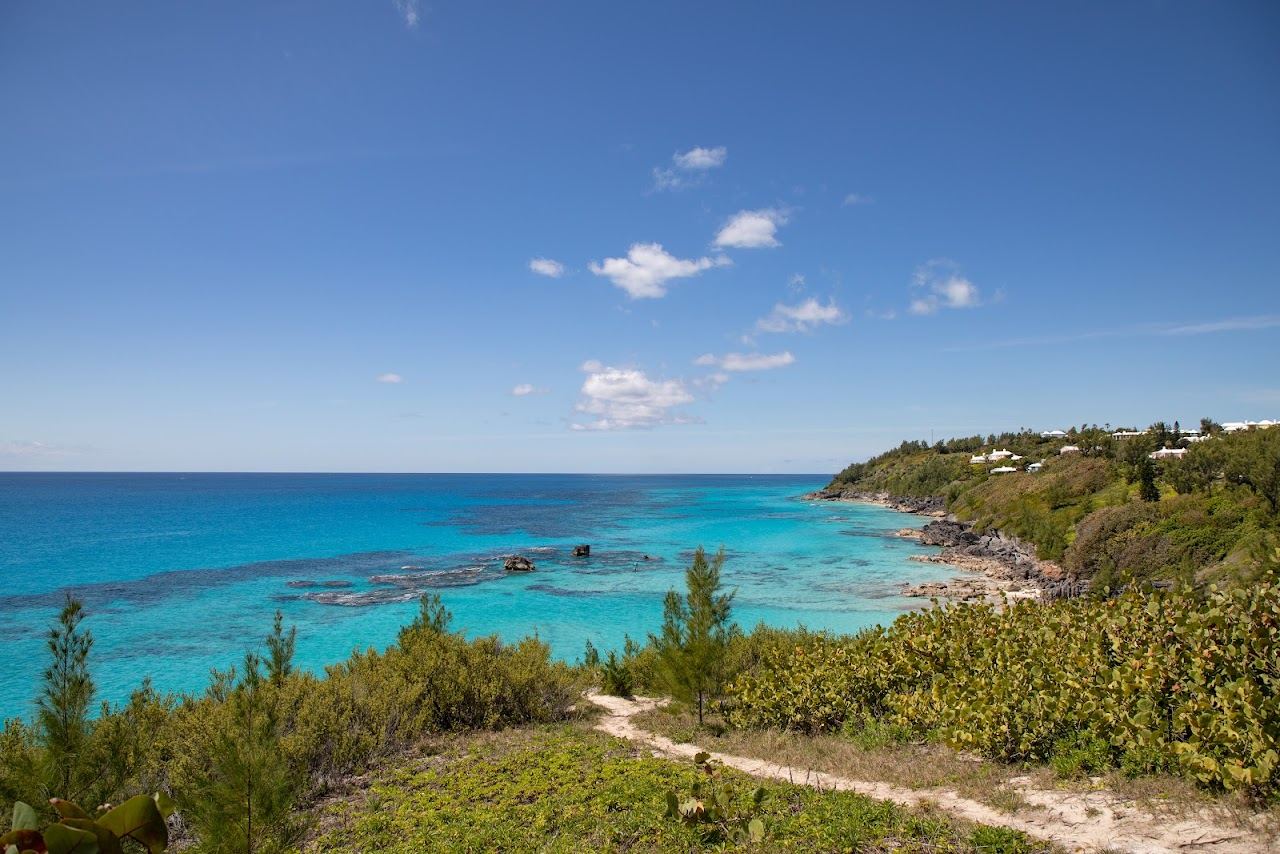
John Smiths Bay is the roomier of the two, a long shallow curve of soft pink sand strung between two rocky headlands in Smiths Parish, straight off South Shore Road. The colour deepens where the wet sand meets the water. Because the bay is wide and open, there is space to swim, wade, watch fish and simply sit without feeling hemmed in, which is a large part of its appeal for a slower day. If the measure is room to breathe, this one takes it comfortably.
The water, where it is really decided
Here is the heart of it. Church Bay exists for its reef, which sits close in to the cove so you can swim out from the sand and be over coral and fish within minutes, no boat required. On a calm, clear day the variety of fish is superb, and it is widely rated the best shore snorkel in Bermuda for exactly that reason. The honest catch is that it is open south shore water, so any swell turns the cove surgy and cloudy and the snorkel simply disappears. It is a calm day snorkel, full stop. Go on the flat mornings and it rewards you; go on a windy day and the thing you came for is not there.
John Smiths Bay plays a gentler hand. A fringing reef a couple of hundred yards offshore takes the sting out of the Atlantic, so the bay is usually calmer and clearer than its open aspect suggests. The snorkelling is easy rather than dramatic: fish gather over the rocks at the western end in just a few feet of water, so you can float above them straight off the sand rather than swimming out to a distant reef. It still takes swell on breezy days, so this is not a sealed lagoon, but the margin of calm is wider here, and that matters enormously if you are swimming with children or you are not a strong swimmer.
The reef at Church Bay is closer and richer. The reef at John Smiths Bay is further out and quieter, and that distance is precisely what keeps the bay calm.
Put plainly, Church Bay offers the better reef and the bigger reward on its day, while John Smiths Bay offers the more forgiving, more reliable swim across a wider range of conditions. The confident snorkeller chasing fish variety leans one way; the family wanting a safe easy paddle leans the other.
Facilities and the lifeguard question
Neither beach is a serviced resort day, so set that expectation now. At Church Bay the facilities are limited to a small car park, the steep steps and a seasonal concession above the beach that may rent snorkel gear and sell snacks in summer, with hours that vary and are best treated as to be confirmed. There is no full beach bar here. The safe move is to arrive self sufficient with your own mask, fins, reef safe sun cream, water and shade, so a closed kiosk never ends your session. Treat it as a get in and snorkel spot rather than a comfortable base.
John Smiths Bay is a touch more practical for a lazy day. There is a car park and restrooms behind the beach, and a lunch cart by the road in summer, though again there is no beach club, no loungers and no bar on the sand, so you still bring your own shade and water. The difference that counts, however, is overhead. John Smiths Bay is one of the few beaches on the island with lifeguards in the warm season, roughly late spring into autumn, while Church Bay has no reliable lifeguard at all.
That contrast deserves care rather than celebration. Patrol dates and hours at John Smiths Bay vary and are to be confirmed locally, and a flag flying is never a guarantee that the water is safe. We make no swimming safety promise about either beach, only the honest picture: conditions are typical, never guaranteed. But for a parent weighing the two, the seasonal patrol at John Smiths Bay is a meaningful point in its favour, while Church Bay asks you to snorkel at your own judgement, with a buddy, clear of a big swell, knowing the close in reef means rocks underfoot and surge when the wind is up.
Crowds and mood
Both beaches are quieter than the island's headline sand, and that is one of their shared pleasures. John Smiths Bay in particular is a calm, uncrowded stretch set well east of the busier scene, somewhere you can swim, wade and watch fish without a plan or a crush. Church Bay is small, so it can feel busy simply because there is little sand to go around, especially at high tide, and on a perfect calm morning the keen snorkellers know to be there. If seclusion and space are the priority, our guide to the island's quieter shores is worth a look, and John Smiths Bay generally edges it on room.
When the other one wins
This is the part that actually decides your morning, because the weather overrides your preference.
- If you are set on Church Bay but the forecast shows wind or a south swell, John Smiths Bay wins that day. The reef further out keeps it calmer and clearer, so you still get an easy snorkel when the open south shore is surgy and the Church Bay cove has gone cloudy.
- If you booked a family beach day at John Smiths Bay but you arrive to find flat, glassy, low wind water and confident swimmers in your party, Church Bay suddenly becomes the better call for that session, because the reef on the doorstep delivers the richest fish life on the island when the sea cooperates.
- If your group splits, one half wanting a serious snorkel and the other wanting a gentle sit with children, John Smiths Bay is the more sociable compromise, since the easy western end entertains beginners while the wider bay suits everyone else.
For timing either way, the sea is warm and inviting from roughly late May to October, with June and September the sweet spots for warm water and lighter crowds, and an early, low wind morning the single best condition for clarity at both. Our seasonal timing notes go deeper, and families comparing options across the south shore will find our roundup for families useful before committing.
How they sit against the bigger names
It helps to place this pair in the wider field. If you want the postcard crescent with the fullest facilities on the island, that is Horseshoe Bay Beach, though you pay for it in crowds. If you want the calmest sheltered dip of all for very small children, the tiny rock ringed lagoon at Jobsons Cove is gentler still than John Smiths Bay. And if you like the sound of a reef and a sunken wreck with the option of a bistro lunch, consider Elbow Beach in Paget. For the direct reef versus comfort debate, our comparison of Church Bay against Jobsons Cove and the look at Church Bay against Elbow Beach both sharpen the choice further.
So, which should you pick
Choose Church Bay when the sea is flat, you are a confident swimmer and the snorkel is the whole point of the day. Choose John Smiths Bay when you want calm water, space on the sand, a seasonal patrol and a bay that stays swimmable across more conditions, especially with children. Neither is overrated and neither is a mistake. The only real error is taking Church Bay on a windy day, when the cove you came to snorkel turns surgy and cloudy and John Smiths Bay would have given you the better morning.
Planning a club day in Bermuda
Both of these coves are public sand rather than serviced clubs, so if your trip also calls for loungers, service and a booked beach day elsewhere on the island, browse our Bermuda beach clubs page to see what is available and to enquire. For the wider picture of the island's shores and how they connect, start at the Bermuda hub.