Calheta or Garajau: Which Madeira Beach Wins
Published 2026-09-09. Conditions described are typical and never guaranteed.
Here is the short version before you scroll. If you want to lie on soft sand and walk into water that behaves, take Calheta. If you would rather pull on a mask and float over fish in some of the clearest water near Funchal, take Garajau. These two are not competing for the same afternoon. One is a made golden bay built for easy bathing and long lunches. The other is a pebble cove inside a protected marine reserve that you reach by cable car. Choose by what you want to be doing in the water, not by which name sounds prettier.
That is the honest frame for this comparison. Neither beach is a compromise version of the other. They solve different problems, and the moment your priorities shift, so does the winner. Below I split them by sand, water, facilities and crowd, then flag the exact situations that flip the answer.
Who Calheta is for
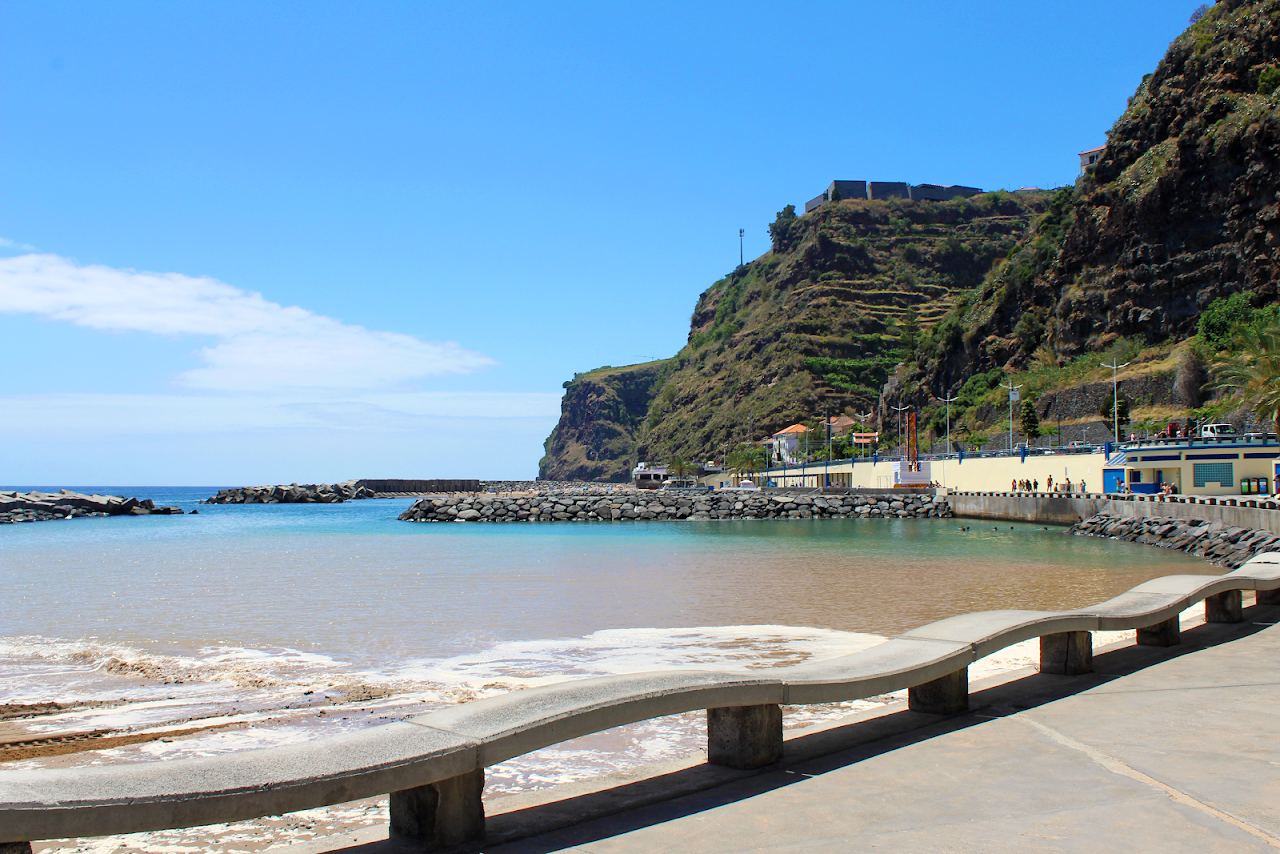
Calheta suits the traveller who wants Madeira to behave like the Algarve for a day. This is soft yellow sand, brought in mainly from Morocco when the beach was built in 2004, held in place by two breakwaters that take the Atlantic swell out of the equation. On an island of dark pebble and black grit, that golden run is a genuine rarity, shared only with Machico over on the east coast. The basin between the breakwaters is among the calmest and easiest swimming on the whole island, which is why it wins so easily with children and nervous swimmers.
It is also a base rather than a bare beach. The marina sits right beside the sand, so grilled fish with the boats in view is a short stroll away. Behind and above, the Engenho da Calheta still presses sugar cane and distils the island rum, so you can taste the spirit that goes into a poncha at the source. The MUDAS contemporary art museum stands on the headland with sweeping coast views. You can build a full southwest day here: a calm morning swim, a rum tasting, a long lunch, then the museum. That range is Calheta's real argument.
The catch is honesty about what it is. This is a made beach, imported sand behind engineering, not a natural cove. It gets busy on summer weekends, and the parking near the harbour fills fastest then. Come early or midweek and you get the soft sand and the sheltered water without the crush. Lifeguard cover typically watches the bathing basin in the warmer months, but seasons change, so read the flags and treat any calm day as typical rather than promised.
Who Garajau is for
Garajau is the pick for snorkellers, divers and anyone who cares more about what is under the surface than what they are lying on. The beach sits inside the Garajau marine reserve, protected since 1986, where fishing is restricted and the sea life is relaxed and abundant. The water is exceptionally clear, the seabed is rocky, and the reserve is famous among divers for its large, friendly groupers, the meros, that gather along the edges. A dive centre operates from the beach and there is a stand up paddle area too. This is a swim with a purpose.
The arrival is part of the appeal. A small cable car drops roughly two hundred metres from the clifftop at Ponta do Garajau down to the shore, gliding over the ravine with the reserve spread out below. It runs to a timetable and carries a fare, both to be confirmed, so check the last ride up before you settle in for the day. There is also a steep winding road down if you prefer to drive. Either way the descent frames the cove nicely before you have even touched the water.
Be clear about the shore, though. This is medium pebble, not sand. Water shoes are well worth packing, both for lying comfort and for the entry into the sea. What it lacks in soft grit it repays in clarity, which is the whole trade. For a cliff backed cove it is reasonably equipped, with a beach bar or restaurant, toilets, changing rooms and a first aid point, quieter than the Funchal seafront but more developed than a wild inlet. Lifeguard cover varies through the year, and the sea here is clear rather than guaranteed calm, so snorkel within your limits and read the conditions before you swim out.
Sand and shore, side by side
This is the cleanest split of the two. Calheta gives you soft imported golden sand you can walk barefoot on and let children dig in. Garajau gives you pebble that rewards footwear. If sand underfoot is a hard requirement, the decision is already made and it points west. If pebble is simply the price of clear water and fish, Garajau earns its keep instantly.
The simplest rule: sand for lounging, pebble for snorkelling. Decide which of those two things you actually came to do, and the beach chooses itself.
Water and swimming
Both are on the sunnier, drier south coast, which stacks the odds in your favour through the warm months. But the water reads differently. Calheta's two breakwaters create a sheltered, gentle basin that suits easy swimmers and small children, the closest thing to a swimming pool feel that the open Atlantic allows here. Garajau's water is clearer and richer with life, better for goggles and fins, but it is open reserve water with a rocky bed rather than a walled bathing cove, and currents can run on this coast. Neither can promise a safe sea on any given day, so treat conditions as typical and follow any on site guidance.
For confident swimmers and snorkellers, Garajau's clarity is the bigger prize. For families who want a shallow, calm entry and the reassurance of a sheltered basin, Calheta is the gentler proposition.
Facilities and getting there
Calheta is the more complete setup. Changing rooms, showers, first aid, a beach bar, paid sun loungers and parasols on the sand, and the marina cafes and restaurants a short flat walk away. It sits around forty five minutes by car from Funchal on the fast road, with parking near the harbour and buses along the south coast. Once you are down in the valley you can walk between the sand, the boats and lunch without effort.
Garajau is well equipped for a cove but simpler, and the journey is the differentiator. The cable car is a small adventure in itself, and the road option is steep and winding. There is a bar, toilets, changing rooms, first aid and the dive centre, but no marina promenade to wander. If ease of access with a full day of eating and sightseeing built in matters to you, Calheta has the edge. If you want the cove and the clear water and do not mind a timetabled ride or a twisting road, Garajau delivers.
Crowds and timing
Calheta is busiest on summer weekends because it is one of only two golden sand bays on the main island and word is out. Early or midweek is when it is at its best. Its strongest window runs June to October, with the warmest sea from late summer into autumn. Garajau's peak snorkelling months are June to September, when the water is clearest and the reserve is at its liveliest in warm, calm spells. Outside high summer both quieten, and Garajau in particular rewards a settled, bright day when visibility is at its sharpest.
When the other one wins
- You booked Calheta but the sea is flat and clear and you have a mask: Garajau's reserve will give you a snorkel you remember, and the groupers alone are worth the pebble.
- You booked Garajau but you have small children or a nervous swimmer: Calheta's sheltered basin and soft sand is the kinder, calmer choice, and lunch is right there.
- You want a full day of more than swimming: Calheta's rum distillery, art museum and marina fill the hours in a way a cove cannot.
- You care most about what lives in the water: the protected reserve tips it firmly to Garajau, pebble and all.
If your day is really about a city swim rather than a trip out, note that the south coast also holds serviced options like the Lido pools and the sculpted basalt of Doca do Cavacas within the Funchal seafront. Those are different animals again, but worth knowing if neither Calheta nor Garajau fits your base.
Plan the day around a club
Once you have your winner, the next step is deciding how you want to spend the hours around the swim. Our Madeira beach club guide is the place to enquire about a club day and line up loungers, lunch and the practical details before you travel. Start there, then let the water do the choosing.