Cala Agulla or Cala Deia: which Mallorca beach wins
Published 2026-08-26. Conditions described are typical and never guaranteed.
Here is the verdict before you spend a morning arguing about it in the car. If you are travelling with children, or you simply want soft sand, calm shallow water and a beach bar within a short walk, go to Cala Agulla Beach. If you are a confident swimmer who prizes clear deep water, dramatic scenery and a long seafood lunch over comfort, and you do not mind a steep walk down to stones rather than sand, go to Cala Deia Beach. These two beaches are not competing for the same visitor. One is a classic turquoise family bay near Cala Ratjada on the northeast coast. The other is a small rocky cove tucked under a mountain village on the northwest coast, better known for its cliffside kitchen than its shoreline. Choose by what you actually want from the day, not by which name sounds prettier.
The quick answer by type of reader
Families and couples who want an easy, recognisable turquoise bay: Cala Agulla. Confident swimmers, snorkellers and slow lunchers who want character over convenience: Cala Deia. Toddlers and non swimmers: Cala Agulla, without hesitation. Anyone chasing a memorable long lunch on a cliff with the sea below: Cala Deia, and book the table before you commit. That really is the shape of it. The rest of this guide explains the conditions that flip the answer, because there are a few, and they matter.
Sand and shoreline: the biggest difference
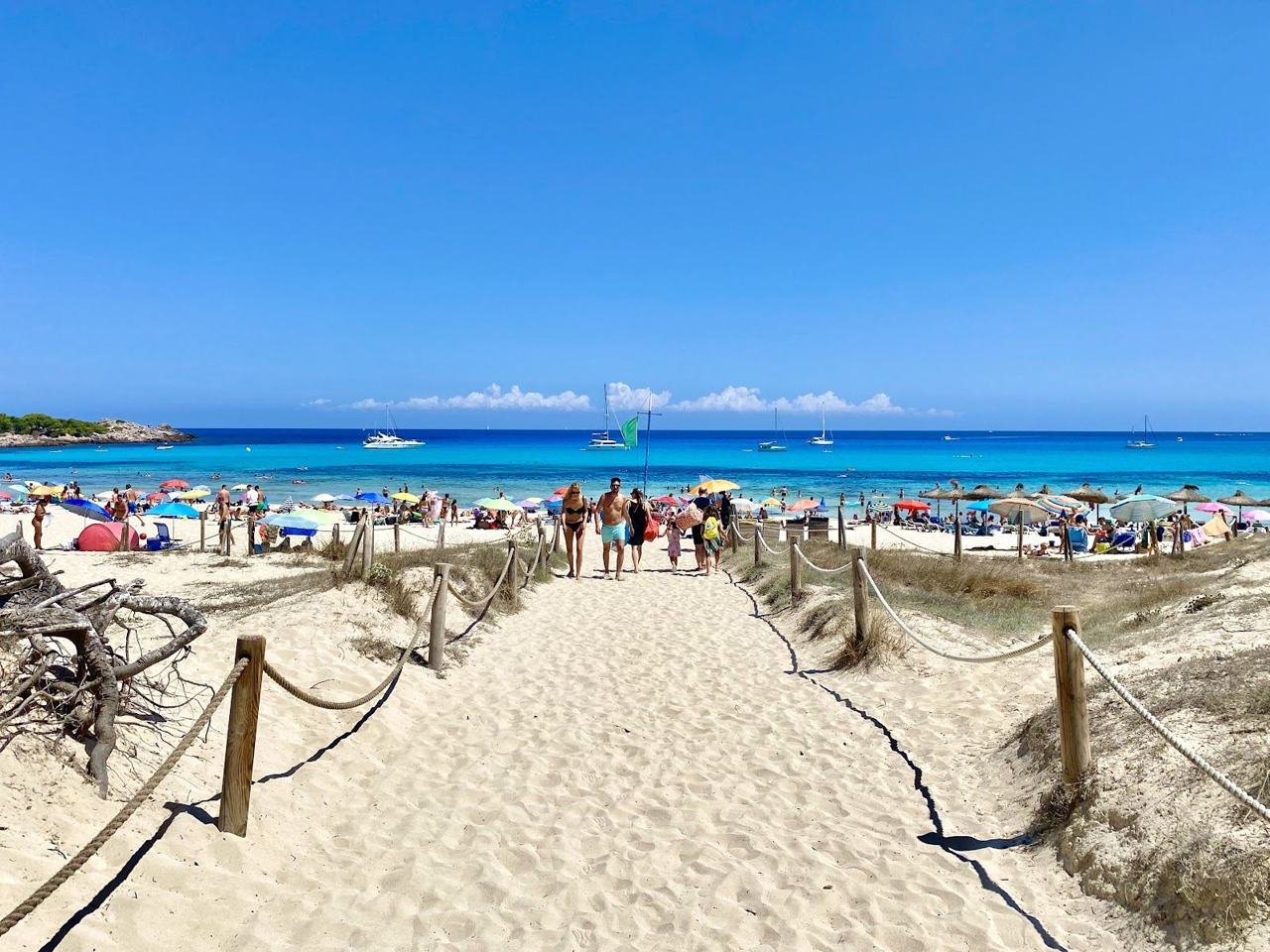
This is where the two part company completely. Cala Agulla is a long, gently curving arc of soft pale sand that slopes into the bay, backed by a protected pine forest. It is the kind of beach where you can lay down a towel, let children dig, and walk into the water without watching every step. There is room to spread out, and the pines give a strip of natural shade along the back edge that gets claimed early on hot days.
Cala Deia has almost no sand at all. It is a small cove of pebbles and flat rock slabs. People do not come here to sunbathe on softness. They come for the water and the setting. If you go, bring a mat and water shoes, and pick a flat rock on the left side for lying out. If the words pebble and rock make your shoulders drop, that is your answer already, and Cala Agulla is your beach.
Water and swimming
Both have clear water, but they read very differently once you wade in. At Cala Agulla the water is bright and turquoise, shallow near the shore and usually calm in the morning. That gentle, shallow entry is exactly what makes it work for younger children and nervous swimmers. There is one honest caveat: an afternoon breeze can pick up and bring small waves, so settled mornings are calmest.
Cala Deia is deep, cool, clean and exceptionally clear, which makes it one of the finest swimming and snorkelling spots of the two. That depth is a joy for a strong swimmer and a hazard for anyone who is not. There is no regular lifeguard here, so you swim within your limits and read the sea yourself. At Cala Agulla, lifeguard cover is typical in summer, and you follow the daily flags. Treat all conditions as typical rather than guaranteed at either beach, and never assume the water will behave the way it did yesterday.
If you have a strong swimmer in the group and a toddler in the same group, you cannot serve both at Cala Deia. Split the day, or choose Cala Agulla and keep everyone in one place.
Facilities and access
Cala Agulla is the easy option in every practical sense. It is a public beach with full facilities: beach bars, showers, toilets, watersports and sunbed hire along the front, with parasols and pedalos available in season. You can arrive with very little and buy or hire the rest.
Cala Deia is the opposite by design. Access is a steep walk, facilities are minimal, there is no formal sunbed hire and no large car park. What it does have is two cliffside restaurants, and one of them, Ca's Patro March, is the defining reason many people make the trip. It is the famous kitchen above the cove, known for fresh fish and a view that has appeared on screen. Tables are limited, so book ahead in summer, and confirm prices directly rather than assuming anything. Come to Cala Deia for lunch and a swim, not for a fully serviced beach day.
Crowds and timing
Neither beach is a secret. Cala Agulla is deservedly popular and one of the busiest in the northeast in July and August, when the car park can fill by mid morning. The fix is simple and reliable: arrive early. That gets you both a parking space and a calmer patch of sand near the pines before the day heats up. The quieter months of May, June and September bring warm, clear water with far more room than the August crowds. If you are still finding it too busy, a shaded coastal path at the southern end leads in a few minutes to the smaller coves of Cala Gat and Cala Molto, which are rockier and much quieter.
Cala Deia is limited by its narrow access road as much as by the size of the cove. June, September and October see warm clear water and fewer cars on that road, which is the single biggest quality of life factor when you visit. In peak summer the combination of a tight road, a steep walk and a small cove means patience is part of the deal.
When the other one wins
The honest part of this comparison is admitting that the answer flips under specific conditions, so here they are plainly.
- Choose Cala Deia over Cala Agulla when your priority is the lunch and the swim, everyone in the group is a confident swimmer, and you value drama and quiet water over sand and services. On a settled day, the swimming here is genuinely better.
- Choose Cala Agulla over Cala Deia when you have young children, when anyone needs shallow calm water and a lifeguard nearby, or when you simply want to turn up and hire what you need. For a family sand day, it is not close.
- Wind changes things at both. A breezy afternoon puts small waves onto Cala Agulla, which is fine for older children but less ideal for toddlers, so go early. A rough sea makes the deep entry at Cala Deia harder to judge, so save it for a calm day.
If neither quite fits
Sometimes the honest recommendation is a third option. If you love the idea of turquoise coves but want them sheltered and walkable to shops and a marina, the small calas of Cala d'Or Beaches suit families who want calm water with more services close at hand. If you want soft white sand with a touch of real energy and dunes behind, Cala Mesquida Beach delivers waves on a breezy day, which the calm coves never will. And for a quick city swim before or after a museum, Cala Major Beach sits about ten minutes by bus from central Palma. Planning around dates rather than places is worth doing too, and our guide on the best time to visit Mallorca lines up nicely with the quieter shoulder months both of these beaches reward.
My call
Given the way most people travel, Cala Agulla is the safer, more flexible choice, and it earns its popularity. But Cala Deia is the one I would clear a whole day for when the sea is calm and the group can swim, precisely because it asks something of you and gives back a stronger memory. Match the beach to the people, and neither will disappoint. For more ideas by mood, our pages for family days on the island and couples who want something slower point you in the right direction.
Planning a club day in Mallorca
Neither of these two beaches is a daybed club destination, so if a serviced club day is what you are really after, that is a separate decision from choosing between these shores. Browse the options and enquire about availability through our Mallorca beach clubs page, and use the wider Mallorca beach guide to build the rest of the trip around it.