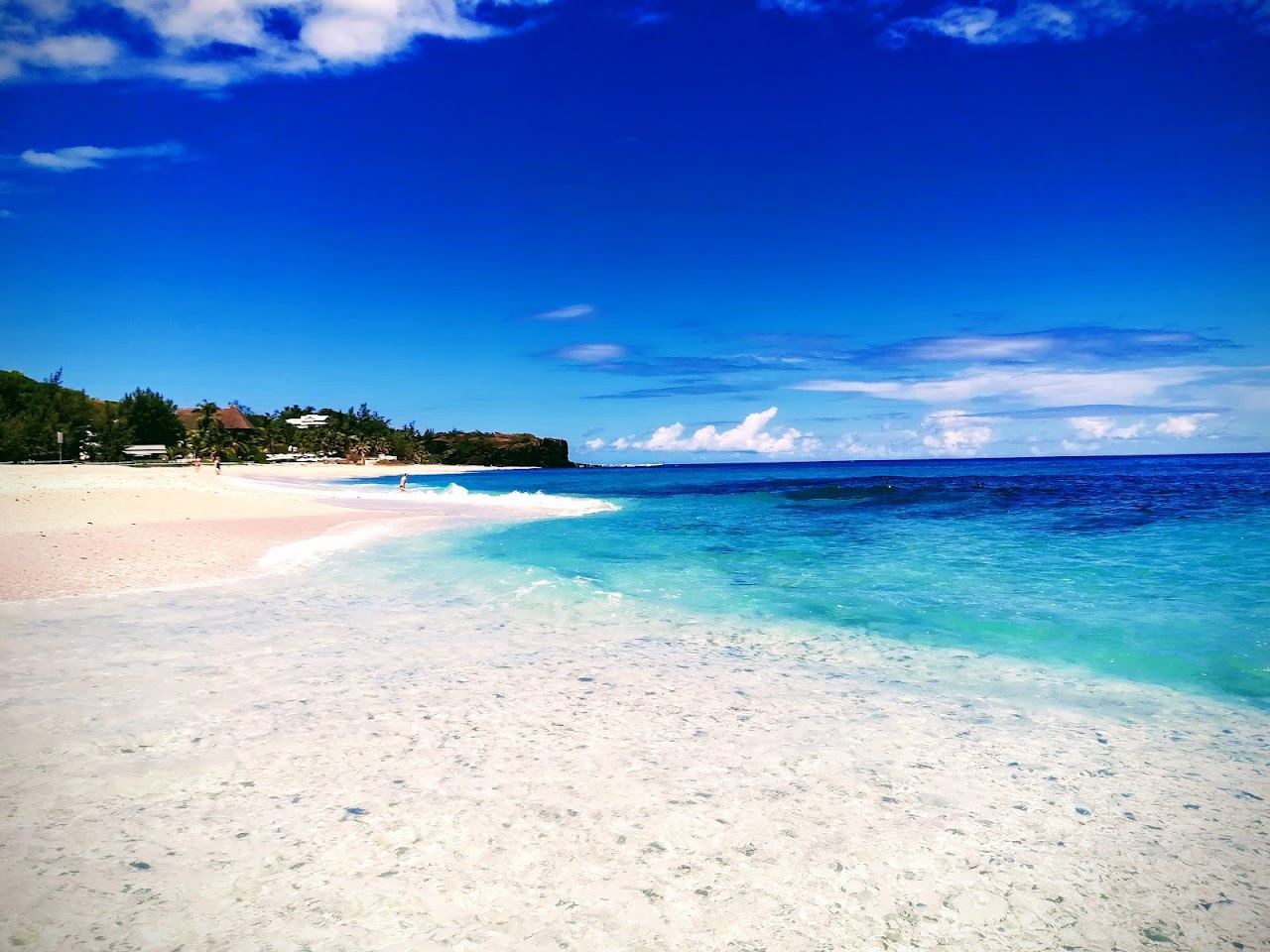
Boucan Canot or Trou d'Eau: Which Reunion Beach Wins
Published 2026-11-23. Conditions described are typical and never guaranteed.
Here is the short version before you read another word. If you want a scene, a smart esplanade and a drink in your hand as the light goes gold, go to Boucan Canot Beach. If you want the shallowest, calmest reef water on the west coast and easy snorkelling straight off the sand, go to Trou d'Eau Beach. These two beaches sit a short drive apart on the same coast, but they are built for opposite days out, and the mistake is treating them as interchangeable. One is about atmosphere and deeper open water inside a net. The other is about gentle, glass clear lagoon and the fish beneath it. Pick for the day you actually want.
The quick verdict by reader
Travelling with young children who want to paddle and peer at fish? Trou d'Eau. It holds some of the shallowest, calmest lagoon water on the island, rarely more than two metres deep, warm and clear, with well preserved coral and dozens of reef fish close in. That is about as gentle as Reunion swimming gets.
Here for the island's most sociable, stylish beach day and a long evening? Boucan Canot. It is the fashionable curve of white sand on the west coast, backed not by pines but by a pedestrian esplanade of cafes, bars and restaurants, and it draws a fashionable local and visitor crowd, especially at weekends and in the evening light.
Snorkeller chasing the easiest mask and fins session on the coast? Trou d'Eau again, and it is not close. Want people watching, a beachfront bar and the best sundowner on the shore? Boucan Canot, clearly.
Sand and setting
Both beaches are white sand, but they feel nothing alike. Boucan Canot is a handsome, gently curving strand of bright white sand set between rocky points, wider and more open than the lagoon beaches. What frames it is the esplanade, a polished promenade that gives the whole beach a resort feel. It is the most photogenic and stylish strand on the west coast, the sand kept and busy, geared to a stylish day rather than a wild one.
Trou d'Eau is more modest and more local. It is a tidy band of white coral sand along the southern end of the La Saline les Bains lagoon, running in continuity with the signature stretch at L'Hermitage Beach and with filao shade in places. It is a beach defined by the lagoon at its feet rather than its size. You do not come here for a grand sweep of sand. You come for the water and the shade, and for an easy, uncommercial feel that the headline sections of the coast have long outgrown.
If the look of the place matters most to you, Boucan Canot is the more striking arrival. If you would happily trade a little polish for peace and a patch of pine shade, Trou d'Eau rewards you.
The water is where they split
This is the heart of the decision, so read it carefully. No coral barrier fronts Boucan Canot, so the water is deeper and more open, clearer and bluer, but without the shallow calm of a lagoon. Because of that openness, the beach carries an anti shark net that encloses a marked bathing zone, and you swim inside it only. The net is inspected daily and taken out when the swell is strong, which means the safe swim depends on conditions and is sometimes suspended. There is lifeguarded swimming within the netted zone, marked by flags, and the supervision is central to swimming here given the open, deeper water. Read the flags every time, never swim outside the net, and treat the open sea as closed. We make no swimming safety promise.
Trou d'Eau is the opposite kind of water. It sits inside the protected reef lagoon, sheltered and rarely more than two metres deep, warm and clear year round. That makes it among the safest and easiest swimming and snorkelling on the west coast. It has recognised lagoon bathing within the La Saline framework, often marked and seasonally supervised, though cover varies, so you still read the flags, swim in the designated areas, keep children in the shallows and treat the reef edge and open ocean as off limits. Conditions here are typical rather than guaranteed, but the lagoon at its gentlest is a genuinely reassuring place to put small swimmers in the water.
The simple way to hold it in your head: Boucan Canot is open water you swim inside a net, Trou d'Eau is a shallow lagoon you snorkel straight off the sand.
Snorkelling and fish
There is no contest on this one. Trou d'Eau is one of the best easy snorkelling spots on the island. The shallow, calm, clear lagoon holds well preserved coral and dozens of reef fish such as triggerfish, butterflyfish and wrasse close in, all visible from the surface in barely waist deep water. Go on a still dry season morning near low tide for the best clarity, stay inside the reef and the marked areas, and tread carefully to protect the coral.
Boucan Canot is not a snorkelling beach in the same sense. Its appeal is the swim inside the netted zone and the scene above it, not a reef garden under your mask. If the fish are the point of your day, this is the wrong beach, and the right one is minutes away.
Facilities and the crowd
Boucan Canot is the best served beach on the west coast. The esplanade behind the sand carries cafes, bars, restaurants, ice cream parlours and shops, with a beach rondavelle snack spot on the sand itself and parking nearby. Names such as Cap Sunset and the Boucan Beach rondavelle anchor the front, with venue hours that vary by season. It is a free public beach with open access and no admission fee, and there is no reserved daybed club, so it is a bring your own towel beach with the esplanade supplying the food, the drink and the scene. The crowd is lively and sociable, busiest at weekends and in the evening.
Trou d'Eau keeps things simple. Facilities are local rather than resort polished, with a car park behind the beach, filao shade, public access and snorkel or paddleboard gear rental nearby, plus the snack spots and cafes of La Saline les Bains close by. It too is free, with no gate and no daybed club, so bring your own mask, shade, water and small cash, and expect basic amenities with hours that vary. It is relaxed and uncommercial, though it is a local favourite and does fill at weekends.
So if your day depends on a proper esplanade lunch and a beachfront bar at dusk, Boucan Canot has the infrastructure and Trou d'Eau does not pretend to. If you would rather pack a picnic and spend the morning in the water, the simplicity of Trou d'Eau is a feature, not a shortfall.
When the other one wins
Even with a clear leaning, the answer flips with the conditions. Strong swell is the pivot. When the swell builds, the net at Boucan Canot is removed and swimming is suspended, while the shallow La Saline lagoon stays relatively sheltered. On a big swell day, Trou d'Eau wins even for people who came to Reunion for the scene, simply because the water stays swimmable.
It runs the other way too. The lagoon runs very shallow at low tide, and a dead low tide over coral in the middle of the day is not the dreamy snorkel the photos promise. On a flat, calm afternoon with the net in place, Boucan Canot offers a more comfortable, deeper swim and far more to do once you are dry. The season tilts both: the cool dry months from May to November bring the calmest seas and the clearest lagoon water, and calmer seas also make it more likely the shark net is in place and swimming open.
Honest note on the overrated trap: do not go to Boucan Canot expecting a family friendly lagoon paddle, and do not go to Trou d'Eau expecting a polished service scene. Each is superb at its own job and underwhelming at the other one's. If you want the calm reef without the resort bustle but with a touch more shade than Trou d'Eau, Cap Homard Beach along the same lagoon is worth knowing. And if scenery alone is your target, the golden set piece at Grande Anse Beach is a different kind of day again, where swimming lives only in the walled pool.
How to split a day between them
You do not strictly have to choose. Many visitors pair them: a still, early snorkel at Trou d'Eau while the lagoon is clearest and quietest, then the esplanade at Boucan Canot for the afternoon swim inside the net and a sundowner as the light softens. A weekday beats a weekend at both, and a higher tide improves the lagoon. Build your dates around the best season to visit, lean on the family beach notes if you are travelling with children, and always read the flags before you enter the water at either beach.
Plan a club day on Reunion
Neither of these beaches runs a reserved daybed club, so if you want structured loungers, service and a booked beach day on the island, start with our Reunion beach club guide to see current options and enquire. For the wider picture of the coast, the island beach hub sets both of these shores in context.