Borsh or Gjipe: your Albanian Riviera beach decided
Published 2026-09-16. Conditions described are typical and never guaranteed.
Here is the verdict before the sunscreen goes on. If you want room to breathe, a long flat walk and the feeling that a whole coast has been handed to you, choose Borsh. If you want a wild cove you earn on foot, deep clear water for snorkelling and cliff jumping, and none of the sunbed circus, choose Gjipe. Both sit in Vlore County on the southern stretch of the coast, both are honest and unstyled, and neither is trying to sell you a scene. They simply solve different problems, and the smart move is to know which problem is yours.
Neither beach carries a lifeguard, and both are best treated as unsupervised water. That matters more at Gjipe, where the sea drops away fast, than at shallow, paddling Borsh, but the rule holds for both: swim within your limits and read the wind.
The quick read on who each one suits
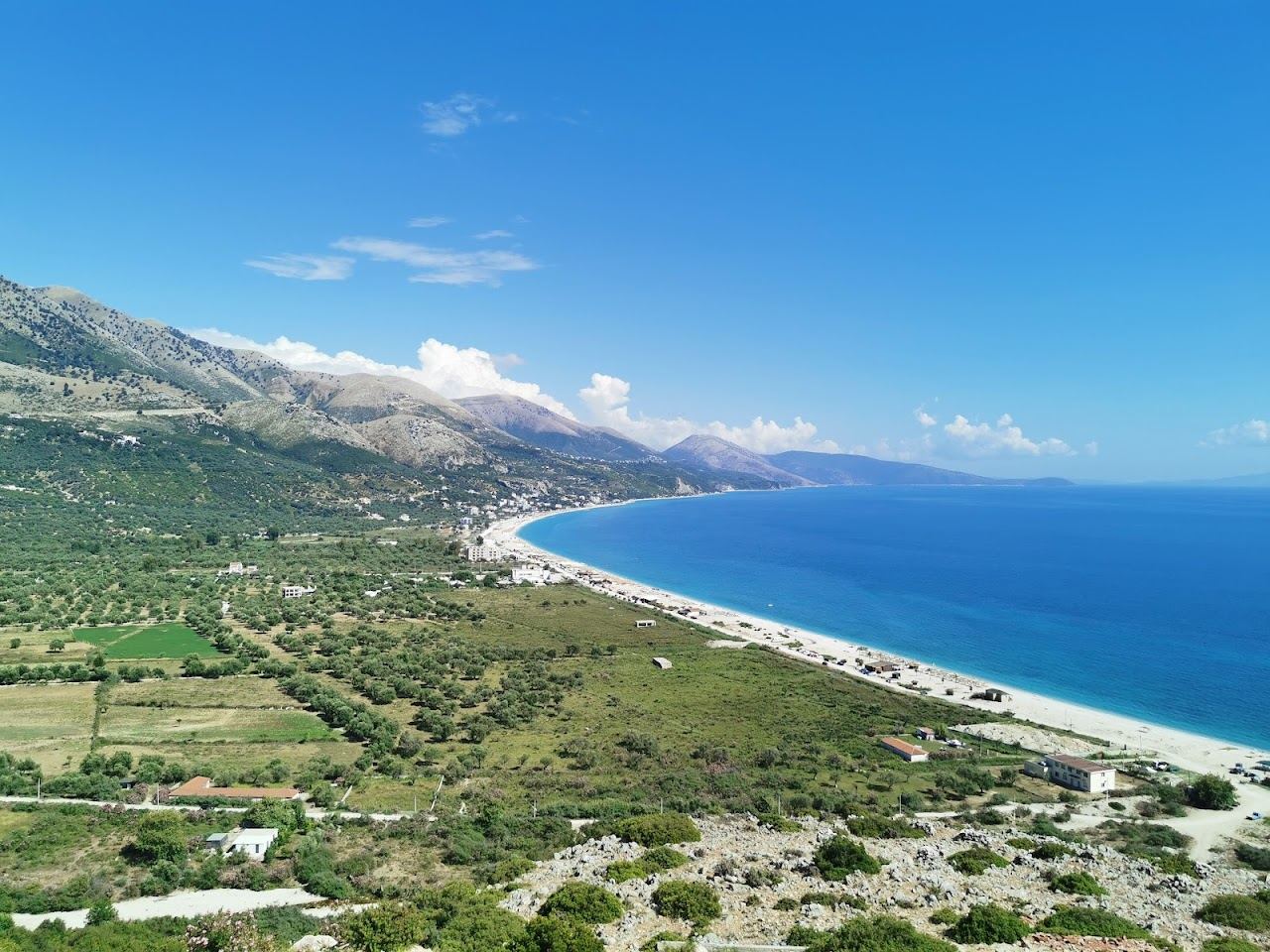
Borsh is the longest beach in Albania, roughly seven kilometres of dark grey pebble and coarse sand running under olive groves. Its whole appeal is space. Walk five minutes from an access point and the crowd thins to almost nothing, even in the warm weeks. There is no gate, no club culture, no postcard turquoise, just a big quiet shore and a few simple restaurants grilling fish a short step from the water.
Gjipe is the opposite kind of place. It is a small canyon cove with no road to the sand, reached by a downhill walk of around forty minutes or a boat taxi in peak season. The water is vivid blue and deep, the sides are rocky, and the only services behind the beach are an eco camp and a simple bar. It rewards effort. If you are unwilling to carry your own water and food in and out, it will frustrate you. If you are, it is one of the most memorable swims on the coast.
Short version: Borsh is space without effort. Gjipe is beauty with effort. Pick the trade you actually want to make.
Sand and how it feels underfoot
Do not come to either beach expecting soft powder. Borsh is dark pebble and coarse sand, a shade grittier and greyer than the bright coves further south. Water shoes there are a real comfort rather than a luxury, and that is worth planning for if you are travelling with children who like to run at the shoreline. The upside of that darker, coarser surface is scale: nowhere else on the coast gives you this much of it.
Gjipe is grey pebble and shingle, clean rounded stones rather than sand, and reef shoes earn their place there too. The cove is compact, so the pebble underfoot is part of a tight, dramatic picture rather than an endless run. In both cases the footwear answer is the same, so pack the shoes whichever way you lean.
The water, and why the time of day changes everything
This is where the two beaches genuinely diverge. Borsh gives you clean, clear water that sits a touch darker than the southern bays, calm in the morning and open to the afternoon wind across its long exposed front. It shelves gently, which suits paddling and easy swimming. Gjipe gives you deep, clear, cool water that drops away quickly from the shingle, glassy at dawn and choppier when the canyon funnels the afternoon breeze straight into the cove.
The practical lesson at both is to swim early. Mornings are the calm, clear window on this coast, and the surface tends to ruffle as the day heats up and the onshore wind fills in. At Gjipe the deep water and rocky sides make an early snorkel especially good, and confident swimmers get a jump off the south end. At Borsh the reward for an early start is simply glass and total space before anyone else is about.
Facilities, and how little you can rely on
Both beaches are thin on services, but in different ways. Borsh has scattered beach restaurants and some parking, with grilled fish and cold drinks a few steps from the sand where the bar clusters are. Away from those clusters there is little shade and no kit, so on the empty stretches you bring your own water and cover. There is no styled beach club here, and that honesty is the whole point of the place.
Gjipe strips it back further. The only things behind the sand are an eco camp and a simple bar, with hours worth confirming before you set off. There are no shops, so you come fully stocked and you carry cash. Camping is allowed, which is rare on this coast, and the camp rents tents and pitches. One safety note the camp itself stresses: do not pitch on the canyon floor, because the riverbed can flood fast after rain, even from a storm well inland.
- Bring to Borsh: water shoes, drinking water, shade, and a mask or a paddleboard to make the most of the length.
- Bring to Gjipe: reef shoes, water, food, cash, sun cover, and the willingness to carry it all back up.
Crowd and mood
Borsh almost never feels crowded, and the reason is arithmetic. Seven kilometres of sand absorbs people in a way the smaller coves cannot, so even July feels uncrowded once you walk past the access point. If your idea of a good day is finding your own empty patch and hearing very little, this is the best beach on the coast for it.
Gjipe is quieter than the sunbed beaches by nature, but its size cuts the other way. A small cove can fill, and in high summer the boat taxis bring a midday rush onto a limited stretch of shingle. The walk keeps casual crowds down, yet the peak season boats undo some of that. Come in June or September and you get warmer water, a kinder walk and thinner numbers, which is the sweet spot for both beaches.
When the other one wins
The honest part of this comparison is admitting how easily the answer flips.
Borsh wins over Gjipe when anyone in your group cannot face the walk, when you are travelling with young children or a lot of kit, or when you simply want to arrive, park and spread out without logistics. It also wins on a windy afternoon, because a long open beach gives you the option to keep walking and reposition, whereas a tight cove offers nowhere to hide from a funnelled breeze.
Gjipe wins over Borsh when the swim itself is the whole reason you came. Deep, vivid water, a canyon to explore behind the sand, rocks to snorkel and jump from, and the satisfaction of a beach you walk into rather than drive to. If you are a hiker, a camper or a confident swimmer chasing something wilder than a flat shore, the effort pays back in full.
Where these two sit on the wider coast
Choosing between them is easier once you see what they are not. Neither is the club coast. For that you look north to the styled, social sand at Dhermi and the sunset cove at Drymades, where beach clubs hold much of the shore and the mood is livelier. Gjipe actually shares a stretch of coast road with those two and works beautifully as their antidote, a wild day out between club days. If you want a proper town as a base with food, rooms and boat links, Himare makes the natural hub, with its bay coves for the swimming.
To plan the calendar, the coast is at its most forgiving in June and September, a point worth weighing on the best time to visit. If total quiet is the goal, the secluded beaches guide puts both of these in context, and if you are still torn, the Borsh against Dhermi comparison covers the space versus scene question from another angle.
Plan a club day on the Albanian Riviera
Borsh and Gjipe are both unstyled by design, so if part of your trip calls for a daybed, a minimum spend and a proper scene, that lives elsewhere on this coast. Browse the styled venues and enquire about a club day through our Albanian Riviera beach clubs page, then keep one of these two wilder shores for the morning you want space or a swim you have to earn.