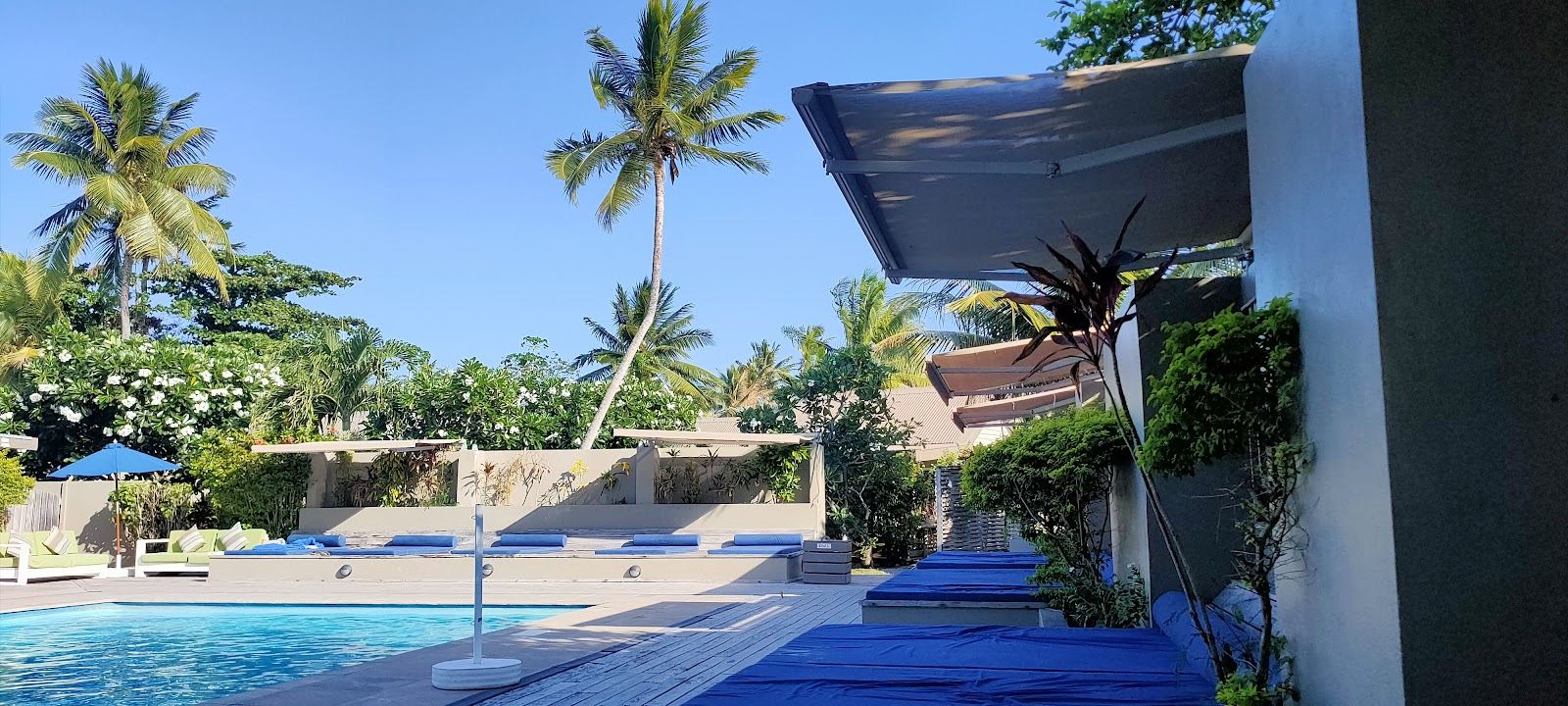
Blue Lagoon or Malolo Island: which Fiji beach wins
Published 2026-10-19. Conditions described are typical and never guaranteed.
The short answer
If you want the single most photogenic bay in Fiji and you are willing to travel a long way to earn it, go to Blue Lagoon. If you want calm, reef backed water and a resort for almost every mood within an easy ferry hop of the mainland, go to Malolo Island. Both are built for couples, both deliver soft white sand and warm turquoise water in the dry season, and neither is a bad choice. They simply reward different travellers, and the thing that decides it is usually distance, tide and how much you want to arrange once you arrive.
Blue Lagoon sits deep in the northern Yasawa group, on Nanuya Lailai, roughly four to five hours by the Yasawa Flyer ferry from Port Denarau, or about thirty minutes and a great deal more money by seaplane. Malolo sits in the Mamanucas west of Nadi, around an hour by catamaran or ten to fifteen minutes by air. That gap in effort is the first fork in the road. One place asks you to commit. The other lets you be swimming by lunchtime on the day you land.
Who Blue Lagoon is for
Blue Lagoon is for the couple who has saved up for the Fiji of the imagination and wants it undiluted. The sand here is powder soft and genuinely white, one of the few beaches in the Yasawas with grains this fine, and it slopes gently into a sheltered bay that runs from pale aqua to deep turquoise. The snorkelling starts at your ankles. There is coral and bright fish a few strokes off the beach, and in the dry season the visibility is at its best, which is also why so many people call this the loveliest easy snorkel in the country.
The reason to make the long trip is the morning. Take the lagoon at dawn, before the day boats arrive, and the water is glass and the bay is effectively yours. That is the version of Blue Lagoon the photographs promise, and it is real, but it belongs to people who slept on the island, not to people who rushed in on a day tour and left again in the afternoon.
Commit to the boat, sleep on Nanuya Lailai, and let the place slow you down. A rushed day trip wastes it.
What you give up is convenience and choice. The beach is public and free, but access is by boat only, and the facilities are whatever the island resorts provide: bars, snorkel hire and dive trips, with operators and rates to be confirmed. There is no public lifeguard cover, so mind the lagoon currents and treat the sea as unsupervised. If your idea of a holiday includes being able to change your plan on a whim, the Yasawas will feel remote. That remoteness is exactly the point for the right couple and exactly the problem for the wrong one.
Who Malolo Island is for
Malolo is for the couple who wants calm Fijian water and romance without a half day at sea to reach it. It is the largest of the Mamanucas, ringed by sheltered lagoon beaches with reef close to shore, and it carries a spread of resorts that runs from adults only hush to a warm family friendly buzz. That range is its superpower. You pick the shore that matches the mood you want rather than hoping one beach happens to suit you.
The most intimate stays sit on the quiet southern and western sands. For two, that means a calm morning swim over the lagoon and a late patch of beach kept for the sunset, with the livelier northern resorts out of sight. The island's romantic flagship fronts its own lagoon, and if the overwater bungalow fantasy is the whole reason for the trip, the lagoon at Likuliku is where that dream lives, an adults focused retreat whose name means calm waters. There is a fuller picture in our dedicated Blue Lagoon and Liku Beach comparison if that specific resort is the decider.
The honest caveat for Malolo is the same one that applies across the Mamanucas: this is a working island of resorts and villages, not a single silent cove. The bigger northern resorts are lively, so seclusion depends entirely on which shore you choose. As with Blue Lagoon, there is no reliable public lifeguard cover, and the beaches are used mostly by staying guests, with day access to be confirmed with operators.
Sand, water, facilities and crowd, side by side
On sand, both win, but differently. Blue Lagoon's is the finer and more celebrated, a powder that photographs like a postcard. Malolo's lagoon sand is pale and soft and gently shelving, backed by palms and resort gardens, lovely without claiming to be the finest grain in the islands.
On water, this is where the detail matters. Blue Lagoon is a sheltered bay, clear and calm enough for an easy float, the kind of water that stays swimmable and gentle. Malolo is lagoon water fringed by reef, still and glassy on a higher tide but shallow over the flats when the tide pulls back. That tidal swing is the single most important thing the photos never show you. At Malolo, and especially at Likuliku, the glassy midday scene is not the water at dawn, and at low tide the swimming can turn to a wade across the flats. A beach bure with a plunge pool is one way couples keep their feet in water when the lagoon retreats. Check the tide chart and plan your swims around the higher water.
- Blue Lagoon: finer sand, a sheltered bay, snorkelling off the sand, best at dawn, far to reach.
- Malolo: calm lagoon, reef close to shore, strongly tidal, a resort for every mood, quick to reach.
On facilities, Malolo has the edge for anyone who wants things laid on: dining, bars, pools, dive centres and water sports gear across its resorts, with venues, opening status and rates to be confirmed. Blue Lagoon has island resort bars, snorkel hire and dive trips, but on a smaller, quieter scale, and with operators and rates to be confirmed. On crowd, both can be peaceful if you time them, but Blue Lagoon fills with day boats in the middle of the day, while Malolo's crowd is a question of which resort shore you stand on.
When the other one wins
Pick Malolo over Blue Lagoon when your trip is short, when you are nervous about a long boat crossing, or when you want a choice of resorts and a dive desk rather than one quiet island. Malolo also wins when you want the overwater bure experience specifically, since that is a Mamanuca signature here rather than a Yasawa one. If your days are counted in a handful rather than a fortnight, the quick transfer alone can make Malolo the smarter call.
Pick Blue Lagoon over Malolo when the whole point of the holiday is the water itself, when you can give it an overnight or two, and when a retreating tide would genuinely disappoint you. The Yasawa bay holds its swim in a way a shallow Mamanuca lagoon at low water cannot always match, and the dawn solitude on Nanuya Lailai is hard to buy anywhere closer to Nadi. The northern Yasawas also carry a seasonal manta ray draw nearby from roughly May to October, never guaranteed, but another reason the distance can pay off.
If you are still torn, think about the two failure modes. The way Blue Lagoon lets people down is the rushed day trip that burns hours on a ferry for a crowded afternoon. The way Malolo lets people down is the wrong resort on the wrong shore at the wrong tide. Both are avoidable with a little planning, and both say more about expectations than about the beaches.
Plan it around the season and the pairing
Whichever you choose, the dry season from May to October brings the clearest water and the calmest conditions, and our notes on the best months to travel go deeper on timing. Couples weighing up the wider options will find more shortlists in the romantic beaches roundup, while anyone chasing true quiet should read the most secluded shores guide before booking. For the full lay of the land, the Fiji beach hub ties the island groups together.
Enquire about a club day in Fiji
Neither of these is a casual walk in beach club, so if you want a Mamanuca day on the water without booking a resort room, the floating and island day clubs reached from Port Denarau are the better route. Browse the options and enquire through our Fiji beach clubs directory to line up a club day that fits your trip.