Beras Basah or Pantai Tengah: Which Langkawi Beach
Published 2026-10-22. Conditions described are typical and never guaranteed.
The verdict in one glance
These two beaches are barely competing, which is exactly why the choice is easy once you know yourself. Pick Beras Basah Island if you want one ravishing island set piece, a postcard of white sand and clear shallow water reached only by boat, and you are willing to build your morning around catching the first departure. Pick Pantai Tengah if you want a real base for a day or a week, a calm stretch of soft pale sand with spa resorts, restaurants and a beach club behind it, and the lively side of the island a short walk away.
In short: Beras Basah is an experience you schedule, and Tengah is a beach you settle into. One is a stop on an island hopping trip, the other is somewhere you can wake up near, swim before breakfast and return to at golden hour. Below is the honest head to head, and the specific conditions that flip the answer either way.
Sand and setting
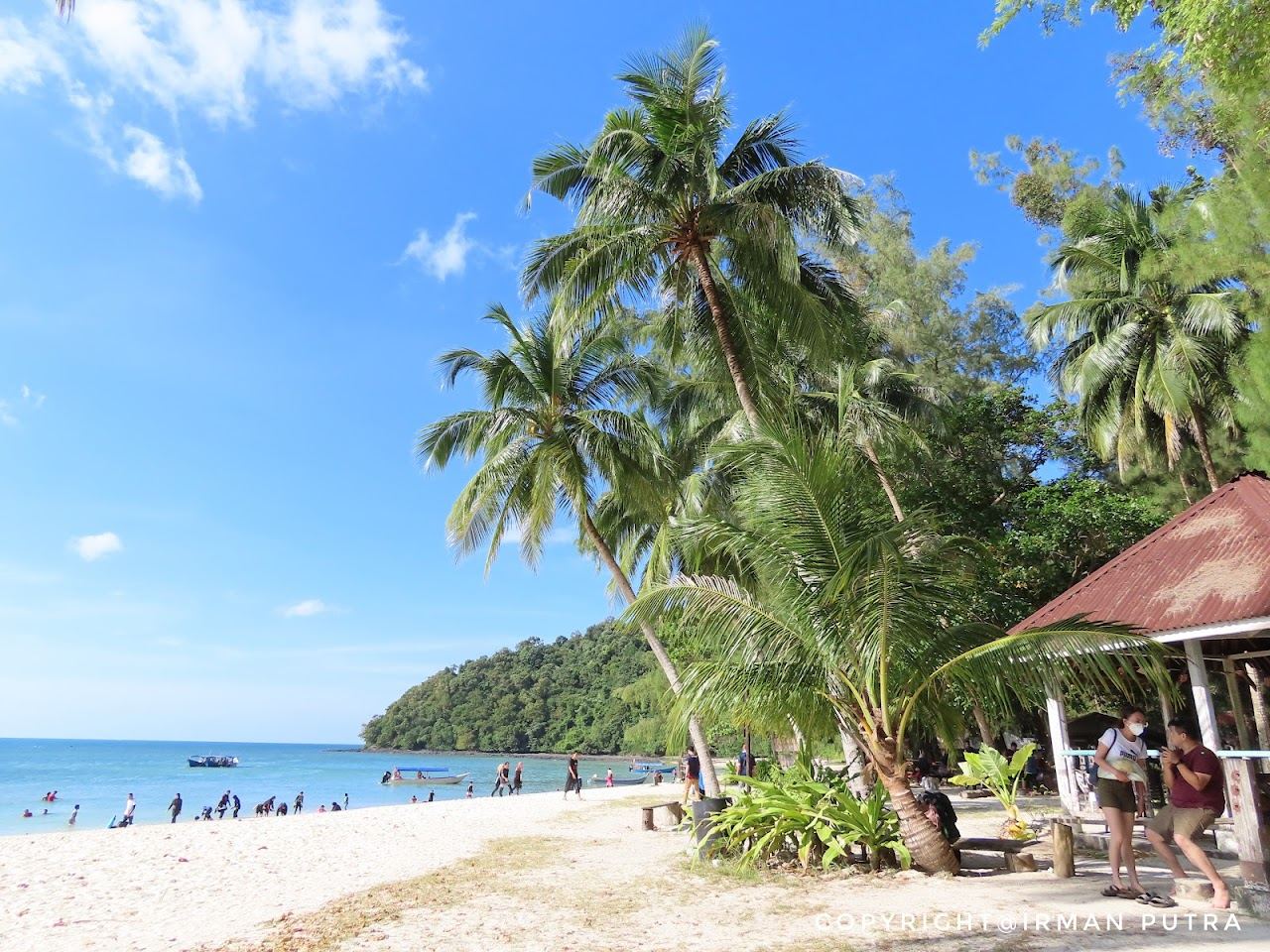
Both deliver soft, pale sand, but they earn it very differently. Beras Basah is a small uninhabited island of fine, pale sand with a long shallow sandbar, sitting in the clustered islands off the southwest of Langkawi. When the light is still soft and the boats have not yet landed, that sandbar is the single most photogenic thing in this comparison. It looks like the brochure because, for an hour, it is the brochure.
Pantai Tengah is a relaxed stretch of soft, pale sand just south of the main strip, backed by casuarina trees and spa resorts. It is not trying to be a desert island fantasy. Its appeal is the mood: quieter and a touch more upmarket than its louder neighbour, with room to walk and a calm northern end that holds its peace even when the rest of the coast is busy.
So on raw postcard looks, Beras Basah wins the photograph. On liveable, repeatable, day after day pleasantness, Tengah wins the holiday. If you are the sort of traveller planning a couples trip where the beach needs to work at breakfast, at lunch and at sunset, that distinction matters more than any single stunning view.
Water and swimming
Beras Basah usually offers clear, warm water with a gentle shelving entry near the sand, pleasant for a paddle or a swim on a settled day in the dry season. The caveat is specific and important: there is no assured lifeguard cover, and boat traffic works right near the beach because this is a tour landing. You swim within your depth, you keep an eye on the boats, and you treat conditions as typical rather than guaranteed.
Pantai Tengah is warm and usually calmer than the busier beach next door, with fewer watercraft in the water, which makes for a more relaxed swim. The honest flaw here is the southern end near the headland, where the water deepens and currents can run stronger. The move is to swim toward the calmer north end, follow any flags and, again, treat the sea as typical and never guaranteed. Both beaches can cloud after heavy rain, so neither is immune to a grey patch after a downpour.
Neither beach is a guaranteed safe swim, and we make no promise on that front. The difference is management: Tengah is a developed public shore where you can read the conditions and choose your spot, while Beras Basah asks you to mind the boats and your own depth with no backup on the sand.
Facilities and crowd
This is where the two beaches separate most sharply. Beras Basah has only simple toilets, drink stalls and watersports operators run for the tour trade, and the material is clear that everything there is to be confirmed and nothing to rely on. The monkeys are bold about food, which is charming for thirty seconds and a nuisance thereafter. The crowd is the real story: this is a tour island, not a hideaway, and by midday the boats land in waves and the small beach fills. The magic genuinely lives at the edges of the day.
Pantai Tengah has proper facilities behind it: spa resorts, wellness retreats, relaxed restaurants and a beach club day pass, with the full buzz of the main strip a short walk north. You can rent a lounger, book a spa, eat well and still have the sand. The crowd is gentler than its neighbour by design, which is the whole point of choosing Tengah over the busier beach. If you are travelling as a family who needs toilets, food and shade within reach all day, Tengah is simply the more practical shore.
Access, cost and effort
Beras Basah is reached only by speedboat as part of a Langkawi island hopping tour, usually paired with Pulau Dayang Bunting and Pulau Singa Besar on a trip of around three to four hours. You cannot walk or drive there. The island itself has no gate fee on the sand, and any jetty or conservation charge is to be confirmed, so the real cost is the tour, not a beach entry. There is no overnight option either, because the island is uninhabited.
Pantai Tengah is a free, open access public beach, so the sand and the sea cost nothing. You only pay for a lounger, a resort day pass, a spa treatment or food and drink, and those figures vary by venue and are to be confirmed. It takes no planning beyond showing up, which is the opposite of the Beras Basah ritual. For anyone who wants to decide at breakfast and still make the most of the day, that flexibility is a genuine advantage.
When the other one wins
Here are the moments that flip the answer, stated plainly.
- Beras Basah wins when you can commit to the earliest boat slot of the day, you want one unforgettable white sand image, and you treat it as a highlight within a tour rather than a full beach day. In that quiet first hour, with the water glassy and the far end of the sandbar near empty, nothing on the main island looks quite like it.
- Pantai Tengah wins when you want a base rather than a stop, when you value a calm swim and real facilities over a single stunning view, and when you would rather sleep near the sand than spend half a day on a boat to reach it.
- Both lose the plot at the wrong hour. Beras Basah at midday is a busy group landing, not a hideaway. Tengah at its deep southern end is not where you want an unwatched swim. Time and position fix both.
Season sharpens all of this. Both beaches are at their best from November to April, when the dry season brings the calmest, clearest water, with February often the finest month. If you are still pinning down dates, the seasonal guide is worth a look before you commit.
The overrated trap, and what to do instead
The honest warning is about expectation, not quality. Beras Basah is frequently sold as a romantic island escape, and in the middle of the day it is nothing of the sort, just a crowded photo stop with monkeys. Do not book it expecting seclusion at noon. If a quiet, hushed shore is what you truly want, this comparison is not the one to settle, and you would be better served looking at the island's most sheltered corners through the secluded beaches edit, or at the forest fringed crescent of Datai Bay in the northwest.
Equally, do not dismiss Pantai Tengah as merely the quiet half of a strip. Its proximity to Pantai Cenang is a feature: you get the calmer sand and spa mood by day and can stroll to the bars and sunset scene when you want them. For most visitors weighing these two, that balance is the smarter buy.
Keep comparing
If Beras Basah is still tempting you, it is worth seeing how it stacks up against other shores before you book a tour. We have put it head to head with the lively main beach in this Cenang comparison, against the island's finest crescent in the Datai Bay verdict, beside the quieter west coast bay in the Pantai Kok guide, and against the island's curious dark shore in the Black Sand showdown. The wider picture, including the mineral oddity of Black Sand Beach, lives on the Langkawi hub.
Book a beach club day
If the Tengah side of this choice is winning you over and you want loungers, a pool and a proper day on the sand, the next step is to sort the venue. See our Langkawi beach clubs page to compare the options and enquire about a club day, with prices, passes and opening status all to be confirmed directly with each venue.