Anau or Motu Tane: Which Bora Bora Shore Wins
Published 2026-10-16. Conditions described are typical and never guaranteed.
The verdict first
Here is the truth that saves you a wasted morning: neither of these is a towel and sunscreen beach, so if you came to Bora Bora picturing a long lazy swim day, you want somewhere else entirely. Between the two, Anau wins for anyone who wants to get in the water and do something, specifically snorkel or dive over a reef manta ray cleaning station. Motu Tane wins for the traveller who is simply curious about the most private corner of the island and is content to admire it from a boat without ever stepping onto the sand.
That is the whole decision in one line. Anau is an experience you take part in. Motu Tane is a view you pass. If you are weighing them against each other hoping one will turn out to be a proper beach, I am going to disappoint you gently and then point you to the place that actually delivers the shallow turquoise swim.
What you are really choosing between
People tend to arrive at these two names after an evening of saved screenshots, and the photos mislead. Anau looks on a map like a stretch of east coast lagoon, and Motu Tane photographs like the dream desert island with its fringe of pale sand and leaning palms. Both images are honest in isolation and both will set you up for a letdown if you treat them as beach plans.
Anau is a village and a roadside lagoon access on the eastern side of the main island. The magic is not on the shore at all. It sits offshore, between two coral reefs, where reef manta rays glide in to be cleaned by small fish that tend their skin and gills. You reach it by boat with a guide who reads the tide and the timing. The sand, such as it is, is little to none. Do not plan to lie down.
Motu Tane is a private island estate. It carries a genuine fringe of soft white sand and calm clear lagoon water near the eastern reef, but every grain of it belongs to a private holding. There is no public landing and no open access. The cosmetics founder Francois Nars bought the island in 1997 and held it for more than twenty years, developing it into an estate of traditional thatched roof fares. It has since been offered for sale as an ultra luxury private island, so current ownership is to be confirmed. What has not changed is that you see it from the water, not from the sand.
Sand
This is the shortest category to judge because one of them barely has any and the other keeps what it has behind a locked gate.
At Anau the shore is an east coast village edge, not a lounging beach. Manage your expectations and you will not be let down, because nobody serious comes here for the sand. Motu Tane genuinely has the better beach of the two, powder soft and palm backed, and it is also completely off limits. So the honest scoreline is that Motu Tane has prettier sand you cannot touch, and Anau has almost no sand that you are not meant to touch anyway.
If sand under your feet is the point of your day, both lose. The one true public beach on the island is Matira Beach at the southern tip, where the sand is pale and fine and the lagoon stays knee deep a long way out. That is where I would send anyone who used the word beach and meant it.
Water
Here the two diverge in a way that decides most readers. Anau is a working snorkelling and diving site, a lagoon stretch running from roughly five to thirty metres deep between the two reefs. It is open water for confident swimmers, reached by boat, and the reward is the chance of a close encounter with the mantas. Sightings are never guaranteed and depend on tide, time of day and conditions, which is exactly why a guide earns their place.
Motu Tane's water is sheltered and clear, around 25C through much of the year, and lovely to look at. The catch is in that last phrase. There is no public swimming on the island, so the water you see from the boat is not water you get to use. The practical swim near Motu Tane happens on a lagoon tour that crosses toward the eastern motu for a snorkelling stop, where the water is calm and the marine life is good, though conditions are typical and never guaranteed and there is no public lifeguard.
Neither site is supervised. Anau is open lagoon for confident swimmers who follow their guide, and Motu Tane has no public beach and no patrol. Treat both as places where you go with an operator and follow their lead in the water.
Facilities
Keep your expectations low and you will be fine. Anau offers a village and a roadside pull off, nothing more, and tours depart from operators dotted around the island. Bring your own snorkel gear or rent it before you go. Motu Tane has nothing public at all, because it is an estate and not a venue. There is no bar, no lounger, no amenity for visitors, because visitors are not the point.
In short, do not count on either to feed you, shade you or hire you a mask. Build both into a wider day on the lagoon, carry your own water, and sort your gear in advance.
Crowd
Crowd works differently here than at a normal beach, because access is controlled by boats rather than parking. At Anau you share the cleaning station with whatever tours are out that session, and a good guide spaces the group to keep the mantas calm. Motu Tane has no crowd on the sand because nobody can land, so the only company is the other boats drifting past for the same photograph you came for.
If solitude is what you are chasing, understand that at Motu Tane the solitude is on the island and you are on the outside of it. For genuine quiet you can actually occupy, the island's hushed corners are a separate hunt worth planning for in advance.
When the other one wins
This is the part that flips the answer, so read it before you book.
- Choose Anau if you can swim confidently, you want to be in the water, and the idea of hovering above a manta ray matters more to you than a sunbathing afternoon. The dry season from May to October brings the clearest water and the steadiest conditions, so a visit in those months tilts further in Anau's favour.
- Choose Motu Tane if your interest is the story and the spectacle of the most private corner of the island, if you are happy on a boat with a camera, and if you are already taking a lagoon tour that passes the eastern reef anyway. If your party includes someone who does not want to get in deep water, the pass by view asks nothing of them.
- Choose neither, and go to Matira, if anyone in your group said the word beach and pictured sand, shade and a shallow swim. That is not a knock on either site. It is just the honest match.
There is one more quiet tilt. If you want easy snorkelling you can start from the shore rather than a boat, the deepening end of the southern coast at Matira Point lets you wade in and drift over sand and scattered coral without an operator at all. It is not manta territory, but it asks far less of your logistics.
How I would actually plan it
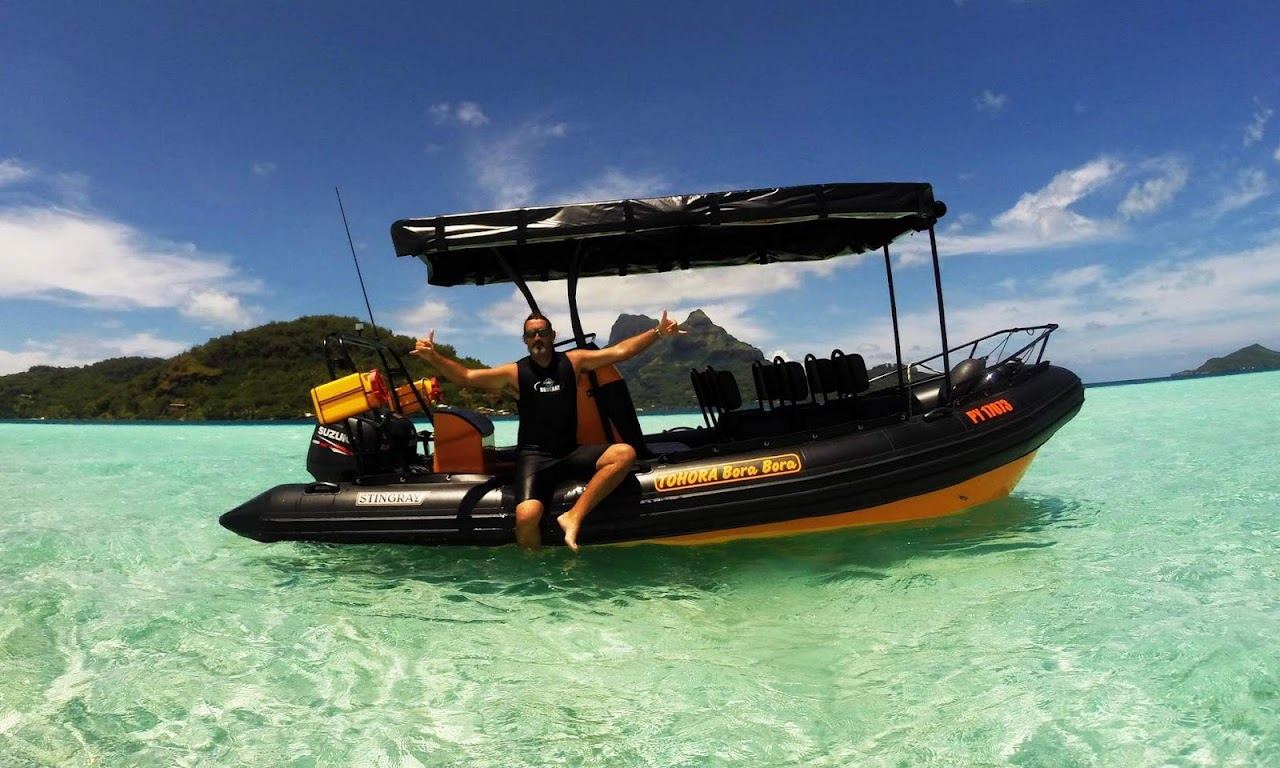
Most readers do not have to choose, and that is the real unlock. A single lagoon tour can thread Anau for the mantas and a pass by Motu Tane for the view, then drop you at a snorkelling stop near the eastern reef where you can swim from the boat. Pair that day with a slow afternoon on the public sand at the southern tip and you have the complete picture: the in water thrill, the private island glimpse, and the easy swim and sunset that neither Anau nor Motu Tane can give you.
For the detail on timing your visit, the island's seasons and weather notes are worth a read, and if you are travelling with children the family guide steers you toward the gentler water. Couples chasing the private island mood will find more ideas in the two of you planner, and the wider island overview ties the coast together. If you still want a second opinion, our head to head on the manta site against the public beach lays out that exact trade.
Book a club day on the lagoon
When you are ready to turn this into a real plan, the place to start is our Bora Bora beach club directory, where you can enquire about a lagoon day, line up an operator who routes past Anau and Motu Tane, and lock in the sand and swim time that neither of these two shores provides on its own.