Albion or Blue Bay: Which Mauritius Beach Wins
Published 2026-09-24. Conditions described are typical and never guaranteed.
Here is the short answer before you read another word. If you own a mask and you came to Mauritius to put your face in the water, go to Blue Bay. It sits over a protected marine park and delivers the best easy snorkeling on the island, reachable from shore. If you would rather trade fish for quiet, a working lighthouse and a west facing sunset, go to Albion. These two beaches sit on opposite coasts and answer opposite questions, so the winner is not a matter of one being better. It is a matter of what you actually want to do when you get there.
What follows is a straight comparison, and I will name the exact conditions that flip the decision. Neither of these is a wide resort strip with rows of daybeds. Both are free public beaches with limited lifeguard cover, which means you supervise your own group and take local advice before swimming. Keep that in mind throughout.
The one line verdict for each type of visitor
- Snorkelers and curious swimmers: Blue Bay, without hesitation. The coral and fish are close in, and glass bottom boats run to the richer gardens if you prefer to stay dry.
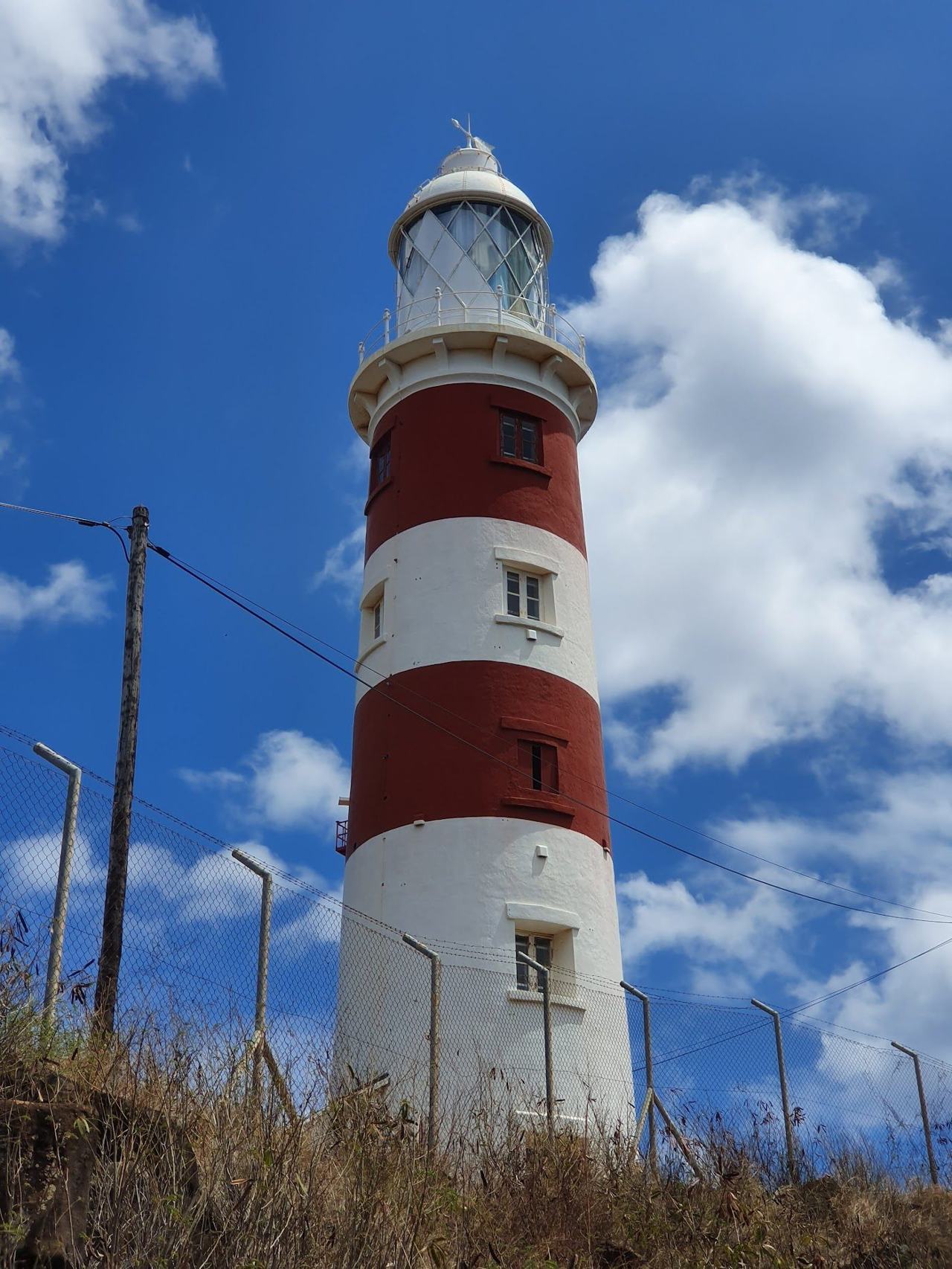
- Sunset chasers and people who want space: Albion. It faces west over calmer than average water, with the red and white Pointe aux Caves lighthouse standing over the headland.
- Families with small children who want a gentle dip: Both work, but read the sand section below, because the surfaces are very different underfoot.
- Anyone chasing a long walkable beach: Neither is your best match, and I will point you elsewhere at the end.
Sand and shore: rock pockets versus a modest strip
This is the first place the two part ways, and it matters more than the brochures admit. Albion is not one long sweep of sand. It mixes sandy pockets with flat rocky shelves, so the beach reads as a series of coves rather than a single beach. That gives it character and keeps it quiet, but it also means footwear that copes with rock earns its place in your bag. Some entries into the water are awkward because of those shelves, which is exactly why you ask locally where the sandy access points are before you wade in.
Blue Bay is white and soft, but honest reporting means saying it is a modest public strip backed by trees beside the bay. Nobody comes to Blue Bay for a big beach. The sand is a comfortable base from which to reach the lagoon, not the headline attraction. If your ideal day is spreading out on a broad expanse of white sand and walking for a mile, neither of these delivers that, and you should be looking at the east or the west coast strips instead.
So on sand alone: Blue Bay is softer and easier underfoot, Albion is more textured and more rugged. If you have toddlers who will run about barefoot, the gentler surface at Blue Bay wins that particular round.
Water: clear marine park versus calm western lagoon
Both sit over sheltered water, and both are calmer than the exposed south coast, but the character differs. Blue Bay is very calm and very clear, a protected bay sitting over a coral marine park. That clarity and shelter is the whole point. It is why this is the standout for close in snorkeling, and why the cooler drier season, roughly May to December, brings the clearest water for it. The bay is protected, so the etiquette is firm: treat the coral with care, and never touch it or stand on it.
Albion offers a west coast lagoon that is gentler than the open south, but the swimming experience is shaped by those rocky shelves rather than by coral gardens. It is a calmer than average place for a dip once you have found a sandy entry, and it is a genuinely rewarding place to be in the water at golden hour. What it does not give you is fish life you can float over. If underwater wildlife is the draw, this is not the coast for it.
One shared caution worth repeating: at Blue Bay, boats share the water. Glass bottom boat trips and tour groups use the same bay, so keep aware of traffic when you swim and keep children close. At Albion the hazard is the rock rather than boats. Read your own conditions on the day, because water is described here as typically calm, never guaranteed calm.
Facilities and getting served
Set your expectations correctly on both counts. Albion has basic facilities: a few hotels and cafes sit back from the beach, with informal parking, and that is the extent of it. Blue Bay is a notch up in convenience because boat operators, snacks and parking sit nearby, but it is still moderate rather than polished. Crucially, neither beach has a public beach club sitting on the open sand. At Blue Bay the nearest polished service is the hotel frontage near the bay. If a lounger, a cocktail and table service are part of your idea of a beach day, you will not find that on the public sand at either of these two.
The honest read: come to Albion for the setting and the calm, come to Blue Bay for the snorkeling. Come to both understanding that you bring your own shade, water and plan.
Crowds and timing
Both beaches follow the same island rhythm, and it is a useful one to know. Albion stays quiet on weekdays and draws local families at the weekend. Blue Bay follows the same pattern but more intensely, because the small beach and bay get busy on weekends when families and boat tours arrive at once. The single most important piece of planning advice for Blue Bay is to come on a weekday morning. That is when the water is clearest, the boats are fewer and the marine park feels like the protected place it is. Turn up on a Sunday afternoon and you will be sharing a compact bay with a crowd.
Albion rewards a different clock. Because it faces west, the highlight is the end of the day, so time your visit for the late afternoon and stay for the sunset over the lighthouse headland. The two beaches almost split the day between them: Blue Bay in the calm of the morning, Albion in the glow of the evening.
When the other one wins
Let me be specific, because the answer really does flip.
Choose Blue Bay over Albion when snorkeling is anywhere near the top of your list, when you have a group that wants to see fish without a boat trip, or when you can go midweek and beat the weekend rush. It also wins if you want soft sand underfoot and would rather not pick your way over rocky shelves.
Choose Albion over Blue Bay when you want a sunset, when you want to be somewhere quiet on a weekday, or when the idea of a landmark walk up to the Pointe aux Caves lighthouse appeals more than time in the water. Access arrangements at the lighthouse can change, so check locally before planning a close visit. Albion also wins if crowds put you off, because it stays low key in a way the busier bay does not.
If neither quite fits
Both of these are specialist beaches, and there is no shame in wanting something broader. If your priority is a long swimmable strip with shade, food and sunsets in one place, the developed west coast at Flic en Flac is built for exactly that. If you want the island's longest white sand and do not mind the trade winds, the eastern sweep at Belle Mare gives you room to breathe. And for a calm northern lagoon that is genuinely easy with young children, Bain Boeuf pairs shallow water with casuarina shade and a view of the Coin de Mire islet. Our full island overview and the family beaches guide help you match a coast to your group, and if timing is the question, the seasons guide is the place to start.
Planning a club day around your beach
Since neither Albion nor Blue Bay has a beach club on the public sand, the polished loungers, service and food you may want will come from the resort and hotel frontages nearby rather than from the open beach. To see current options, spend bands and how to arrange a day, browse our Mauritius beach clubs directory and enquire directly about the frontage closest to whichever coast you choose. That way you get the snorkeling or the sunset you came for, with a comfortable base to return to between swims.