Ala Moana or Kahala Beach: Which Oahu Shore Wins
Published 2026-10-10. Conditions described are typical and never guaranteed.
The verdict in one screen
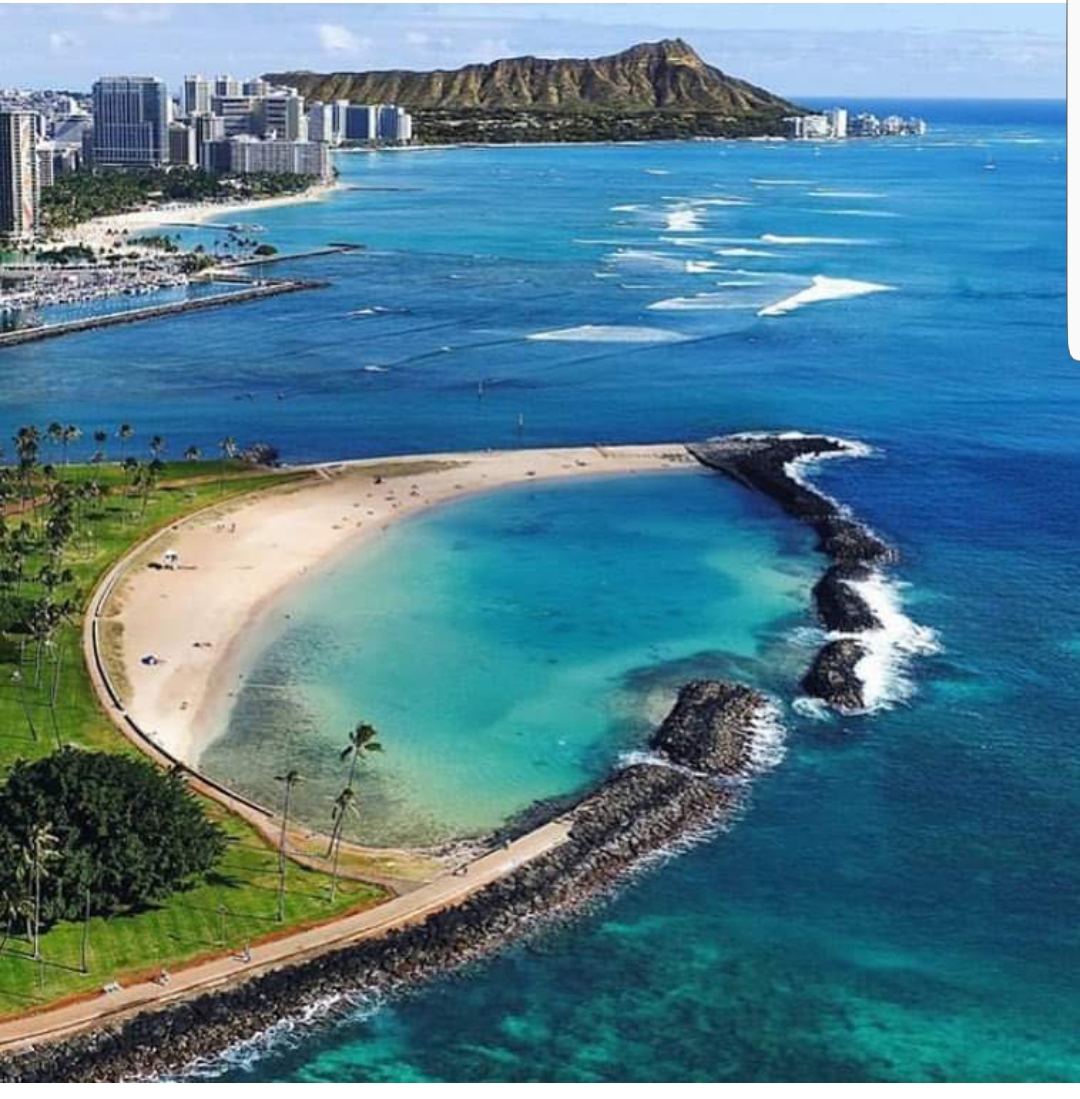
If you want to actually swim, go to Ala Moana Beach Park. It has a long, gently sloping beach, a reef offshore that keeps the water flat, lifeguards on daily duty and a wide shady lawn behind the sand. It is the city beach where Honolulu goes to get wet, and for a family that wants calm depth and easy logistics it is the stronger pick almost every day of the year.
If you want quiet over everything, go to Kahala Beach. Sitting east of Diamond Head in an upmarket residential pocket, it trades the crowds and the swimmable water of the tourist strip for calm reef flats and near empty sand. It suits couples who want a slow morning, and families content to wade and float rather than strike out into real depth.
So this is not a case of one beach beating the other outright. It is two very different promises. One is built for swimming and shade and parking. The other is built for peace. Pick based on what you came to Oahu to do, and read on for the conditions that flip the answer.
Who each beach is really for
Choose Ala Moana if you want to swim
Ala Moana is best described as the dependable all rounder. The material is blunt about who it suits: swimmers and families who want calm flat water and shady lawn space close to Waikiki without the crush. That is an unusually complete offer for a beach so near the tourist core. The central stretch of sand opposite the lawn is the sweet spot, where the water sits calmest and the shade is closest, so you can rotate children between the sea and the trees without a long march.
It is also easy, which matters more than people admit on a hot afternoon with coolers and kids. The park has a long parking lot that is generous by Honolulu standards, restrooms, showers, picnic tables and that broad lawn. It is roughly ten minutes from Waikiki by car or bus, and walkable from some parts of it, which makes it an easy swap when you decide the resort strip is too busy and you want calmer water instead.
Choose Kahala if you want calm and quiet
Kahala is the antidote to all of that bustle. The appeal here is a clear break from the crowds, calm shallow water over a reef flat, and a sense of exclusivity you simply do not get on a public city beach. The best patch is the stretch in front of the Kahala Hotel and Resort, where the sand is at its widest and the water is clearest on a calm day. Couples and families who want a hushed, unhurried shore tend to fall for it.
But be honest with yourself about the water. The beach is narrow and the reef flat is shallow, so Kahala suits wading and floating far more than real swimming. If your mental picture of a beach day involves swimming out past the shorebreak and treading water, this is not the one. If it involves a book, a slow float and almost nobody around, it is close to perfect.
Sand, water, facilities and crowd, side by side
The sand
Ala Moana gives you length and a gentle slope, backed by a wide shady lawn and trees. That combination is the quiet hero of the whole comparison: shade on tap means you are not chained to an umbrella, and the slope eases children in gradually. Kahala's sand is soft and pale but it is a narrow strip, and crucially it shrinks at high tide. On a busy tide it can feel more like a ribbon than a beach, which is why timing is everything here.
The water
This is where the two part ways most sharply. Ala Moana is calm and flat because a reef offshore keeps the swimming area protected, and it swims well in most conditions through the year. There is one honest caveat: a channel cuts through the reef at one end where currents run stronger, so the guidance is to keep children to the calm centre and follow the lifeguards. Kahala is also calm, but for a different reason. Its reef flat is shallow and protected, clear on a calm day, yet that shallowness is exactly what limits it to wading rather than proper swimming.
If swimming is the point of the day, Ala Moana wins on water. If the point is to float in glassy calm and hear nothing, Kahala's reef flat delivers that better than almost anywhere this close to town.
The facilities
No contest here. Ala Moana is a full regional park: restrooms, showers, a big lot, picnic tables and the lawn. Kahala is the opposite, with little public infrastructure. The hotel serves its own guests, and its pool and lagoon are reserved for them, so do not plan around hotel amenities you cannot use. Bring what you need, and set your expectations to a quiet residential shore rather than a serviced beach.
The crowd and the access
Ala Moana is popular precisely because it works, so it fills on weekend afternoons. Mornings and weekdays are the easiest times to find a parking space. Kahala is far quieter, with public shoreline access between the homes, but parking is limited and residential, which is its own kind of friction. The trade is simple: Ala Moana costs you a busier beach in exchange for ease, while Kahala costs you convenience in exchange for calm.
Lifeguards
One more practical difference that should weigh heavily for families. Ala Moana has City and County towers staffed daily. Kahala has no public lifeguard tower, as you would expect on a residential beach. That does not make Kahala unsafe in itself, but it does mean you are entirely responsible for your own group, which reinforces why it reads as a wading and floating beach rather than a swimming one. Conditions on any beach are typical rather than guaranteed, so read the day in front of you and never assume.
The situations that flip the answer
The default lean is Ala Moana for swimmers and Kahala for quiet, but a few specifics change the outcome.
- Tide. Kahala rewards a lower tide on a calm day between April and October, when the sand is at its widest and the reef flat is clearest. At high tide the beach shrinks considerably, and the case for Kahala weakens fast. Ala Moana is far less tide dependent, which is part of why it swims so reliably.
- What the children want to do. If they want to swim, bounce and splash in genuine depth, Ala Moana's protected centre is the answer. If they are happy to potter in ankle to knee deep clear water, Kahala's reef flat is a gentler, calmer playground.
- Noise tolerance. On a packed weekend afternoon, Ala Moana can feel busy. If that is exactly what you are trying to escape, the quiet of Kahala becomes the stronger buy even with its thinner sand and lack of facilities.
- A split day. Many visitors enjoy a calm Kahala morning at low tide and then move on for something livelier. Ala Moana slots neatly into that plan given how close it sits to the tourist core.
If neither quite fits
Both of these are leeward and windward side calm beaches rather than surf destinations, so if your trip is really about waves you are looking in the wrong place. For gentle, playful shorebreak that beginner bodyboarders love, the soft white sand of Bellows Beach is worth planning around, bearing in mind it opens to the public only from Friday noon to Sunday midnight and on federal holidays. For a North Shore family base with shade, a proper lot and a town beside it, Alii Beach in Haleiwa is the easy introduction. And if you simply want to witness surfing at its most serious, the sand in front of Ehukai Beach and the Banzai Pipeline is the winter pilgrimage, strictly for watching from dry land.
For a wider view of where to go and when, the Oahu beach hub is the place to browse, and if you are travelling as two, the couples shortlist leans toward the quieter shores that Kahala belongs to. Families weighing calm water options may also want the Ala Moana against Alii comparison for a different angle on the same question. For choosing your dates, the seasons guide helps you line up the calmer months with the right beach.
Plan a club day on Oahu
Once you have settled on your stretch of sand, the next step is deciding how you want to spend the day around it. To ask about availability, access and what each venue actually offers, head to the Oahu beach club page and enquire about a club day that fits your plans. Status and details should be confirmed directly before you travel.