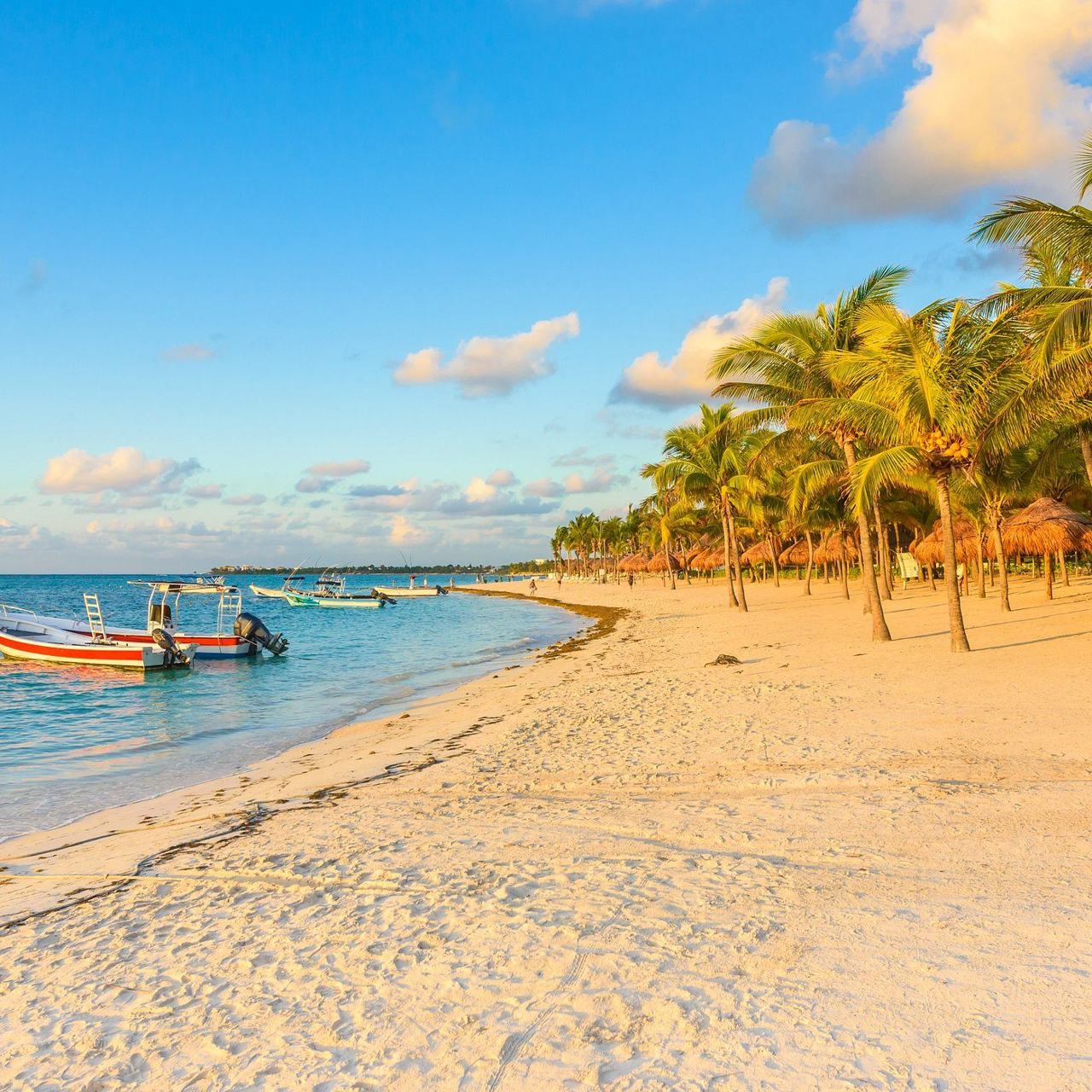
Akumal or Half Moon Bay: Which Riviera Maya Beach Wins
Published 2026-08-30. Conditions described are typical and never guaranteed.
The verdict, before you commit your morning
If you want to swim with wild green turtles and have restaurants, showers and dive shops within a short walk, go to Akumal. If you want a flat, clear snorkeling cove without the tour buses and you do not mind rock underfoot, go to Half Moon Bay. They sit a few minutes apart on the same shoreline north of Tulum, they share the same reef sheltered water, and yet they reward completely different visitors. One is a serviced bay built around a wildlife encounter. The other is a quiet residential crescent that asks you to bring water shoes and self reliance.
Here is the short version for each type of reader. Families with young children who want soft sand, easy facilities and the chance to see turtles from the shallows should pick Akumal. Snorkelers and couples who value calm, empty water over comfort should pick Half Moon Bay. If your priority is a long day with food, lockers and easy logistics, Akumal wins. If your priority is peace, Half Moon Bay wins. The conditions that flip that answer are below, because both places change character depending on the time of day, the season and how much you are willing to organise.
Sand: a real difference you can feel with your feet
This is the first thing that separates them, and it is not close. Akumal is a gentle pale crescent of white sand that stays comfortable underfoot, the kind of shore where you can walk barefoot and let small children potter about at the waterline. Half Moon Bay is a different proposition. It is patchy sand over rock, with pockets of sand between stretches of coral shelf and stone. The walking there is less about a wide beach and more about finding your spot and settling in.
The practical consequence is straightforward. At Half Moon Bay, water shoes are strongly advised, both for getting in and out and for standing anywhere near the coral. At Akumal you can leave them in the bag. If your day involves toddlers, sandcastles or anyone who dislikes stepping onto rock, that alone should decide it.
Water: same reef, two moods
Both bays owe their calm to the same offshore reef, and both are generally clear and gentle rather than wavy. The distinction is what lives in the water and how you reach it.
Akumal is a calm, shallow, reef sheltered bay with large seagrass beds, and those beds are the whole point: they are what the wild green turtles return to graze on through much of the year. You can often see turtles surfacing near the shore, especially early, and snorkeling in the open shallows is allowed. To reach the protected seagrass zone where they feed, you need a licensed guide from a local cooperative. That rule matters and it is worth respecting.
Half Moon Bay is where the outer reef wraps the water into a flat, lagoon like pool that is excellent for snorkeling on settled days. You can see coral, fish, seagrass and sometimes turtles, without the crowd. The trade off is that the current strengthens beyond the reef, so this is a bay to stay inside rather than swim out from. Neither beach runs a lifeguard you should rely on, so keep within your depth, mind boat and snorkel traffic in the Akumal bay, and snorkel with a buddy at Half Moon Bay. We describe typical conditions here, and the sea does what it wants, so always check before you go in.
The simplest way to think about it: Akumal is the turtle bay with rules and services. Half Moon Bay is the quiet snorkel cove that trusts you to look after yourself.
Facilities and entry: convenience versus calm
Akumal is set up for a full day. The village has restaurants, dive shops, lockers and showers, so organising food, storage and a rinse afterwards is easy. A small fee usually applies at the main public entrance for those lockers, showers and toilets, and the current amount is best confirmed locally rather than taken from anyone online, ourselves included. There are other ways in too: the headland path, or visiting as a guest of a beachfront stay.
Half Moon Bay is the opposite by design. It is lined with villas and small rentals rather than big resorts, so it stays quiet and residential. Facilities are limited to a few small restaurants and rental villas behind the bay. The shore below the high tide line is public, as it is across Mexico, so you can reach the water, but parking is limited and informal. There are no big resort gates, which is exactly why some people prefer it. Bring what you need and do not expect service on the sand.
When the other one wins
There are clear situations where the beach you did not pick becomes the better call.
- Choose Half Moon Bay over Akumal when the main bay fills up. By late morning Akumal gets busy and the water feels choppier as tour groups arrive. If you turn up at eleven and the crowd has landed, the quieter cove next door is the better use of your day.
- Choose Akumal over Half Moon Bay whenever comfort and logistics matter. A family day with lockers, showers, food and soft sand is simply easier there, and the turtle sightings do not require you to book a boat.
- Choose Half Moon Bay when your day is built purely around snorkeling and quiet, and you have water shoes. It rewards the prepared.
Crowd and timing: the detail that decides both
The single most useful piece of planning for Akumal is to go early, soon after the bay opens. The water is glassy, the turtles are feeding and the tour groups have not yet arrived. That early window is when Akumal is at its best and, frankly, when it beats almost anywhere. Leave it late and the same bay becomes busy and less magical.
Half Moon Bay stays quiet through the day because it is residential, so it is more forgiving of a slower start. But it still favours settled, calm days for snorkeling, so watch the wind. For both, the driest months from December to April bring the clearest water and the least seaweed, while turtle sightings around Akumal stay strong from late spring into autumn. If your trip falls outside the dry season and you are chasing turtles, Akumal is the more reliable bet. Our seasonal guide goes deeper on the monthly picture.
Who should skip both, and where to go instead
If your idea of a beach day is a long, wide expanse of white sand for walking and lounging, neither of these narrow, reef sheltered bays is really it. Head instead to Playa Ballenas in the Cancun hotel zone, one of the widest beaches on this coast, keeping in mind it is open sea with waves and at times a pull, so swim with care and check the flag.
If you want service, music and a social scene rather than wildlife, the town beach clubs at Mamitas Beach in Playa del Carmen are a different day out entirely. And if what draws you is the wild and undeveloped, the empty sandbar of Isla Blanca north of Cancun trades every amenity for space and flat lagoon water made for kitesurfing. Couples set on the quietest possible stretch may also want to browse our secluded shores roundup before deciding.
So, which one?
Both are honest recommendations, and the right answer is about you, not about which is objectively better. Turtles, soft sand, small children and an easy full day point to Akumal. A calm snorkel, few people and a willingness to wear water shoes point to Half Moon Bay. The cleanest plan of all is to do both: Akumal at opening for the turtles, then the short move to Half Moon Bay when the first bay fills. For more on choosing by traveller type, our notes for families and for couples may help you settle it.
Planning a club day on the Riviera Maya
Neither Akumal nor Half Moon Bay is a serviced club beach, so if a lounger, shade and full service are part of your ideal day, that belongs elsewhere on this coast. Browse our Riviera Maya beach clubs page to compare venues and enquire about a club day, and confirm minimum spends and opening status directly with each venue, as these change through the season.