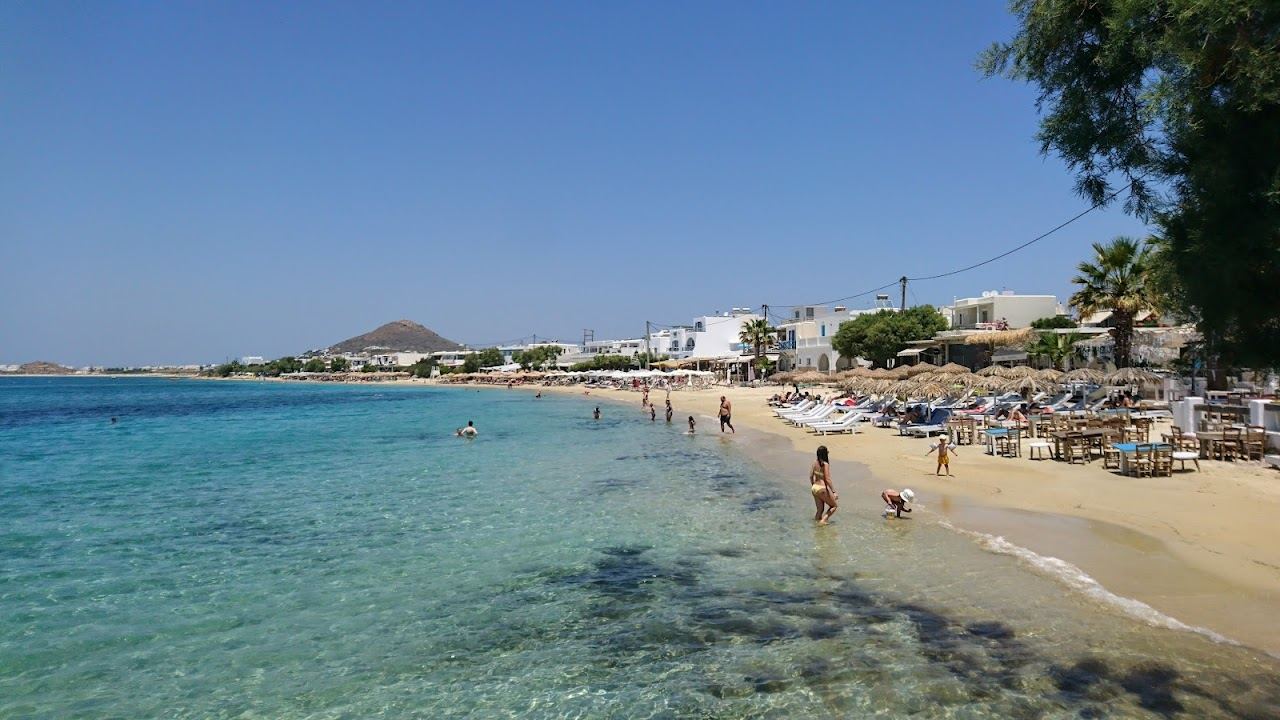
Agia Anna or Kastraki: the Naxos beach verdict
Published 2026-11-07. Conditions described are typical and never guaranteed.
Here is the short version before you commit a morning to the drive. If you want calm shallow water with a sociable buzz, tavernas at your back and a pretty fishing port to wander, pick Agia Anna. If you want space, silence and a long run of fine white sand with almost nobody on it, pick Kastraki and bring your own shade. These two beaches sit on the same southwest coast of Naxos, yet they ask for completely different days out, and the mistake travellers make is choosing the one that suits their neighbour rather than themselves.
So this is not a contest for a single crown. Agia Anna is the easy, lively family beach close to town. Kastraki is the wild, lightly served escape twenty kilometres down the road. Below I set out exactly what separates them, and the specific conditions that flip the answer from one to the other.
Who each beach is really for
Agia Anna is built for the traveller who wants their swim gentle and their lunch close. It is the smaller, cosier neighbour that runs on from Agios Prokopios to a little fishing port at its southern end, and its sheltered position keeps the water calmer than the open beaches nearby. You get soft pale sand, organised sunbed and umbrella sections, a run of bars and tavernas, and the kind of relaxed scene that makes an afternoon drift pleasantly into evening. Families especially do well here, which is why it earns a place among the island's better options for travelling with children.
Kastraki is for the traveller who measures a good beach day by how few people are near them. It is a long open stretch of fine pale sand south of Mikri Vigla, broken by low rocks with a small islet offshore, and it stays spacious even when the headline beaches fill. There is no promenade, no scene and only a handful of tavernas near the ends. What you get instead is room, calm and the sort of quiet the busy beaches simply cannot match. If solitude is the point, this is one of the island's strongest picks for a genuinely quiet shore.
Sand and setting
Both beaches deliver good sand, but the feel is worlds apart. Agia Anna gives you a sheltered stretch of soft pale sand with life running along the back of it: bars, tavernas, rooms and the working port with its fishing boats. It is intimate and framed, a beach you settle into rather than get lost on.
Kastraki gives you length and emptiness. The fine white sand runs on and on, dotted with low rocks, and long sections have no facilities whatsoever. That is a feature, not a fault, provided you understand it before you arrive. The central sand is the place to spread out for solitude, with the few tavernas at either end when you want a cold drink or a simple lunch. Think of Kastraki as a natural beach you visit on its own terms, and Agia Anna as an organised one that comes with a built in day plan.
The water, and the wind that decides everything
This is where the choice gets interesting, because both beaches offer clear, shallow, gently shelving water that suits swimmers and children in usual conditions. The difference is exposure.
Agia Anna is kept calmer by its sheltered position, which makes it one of the easier family swims near town. That shelter is its trump card. When the summer Meltemi blows and the open beaches turn choppy in the afternoon, Agia Anna tends to hold its composure better than its exposed neighbours.
Kastraki faces the open sea. In the morning the water is typically clear, shallow and calm, and the swimming is lovely. But the same open position means the afternoon Meltemi can bring breeze and a little chop. Conditions here are typical rather than guaranteed, and there is no reliable lifeguard on this stretch, so you judge the sea for yourself and keep less confident swimmers close to shore. The same caution applies at Agia Anna, where cover is seasonal and to be confirmed, and where you should mind the boats near the port.
The honest rule of thumb: a still morning favours either beach. A blowing afternoon favours sheltered Agia Anna, unless you are on Kastraki early and happy to leave before the breeze builds.
Facilities and crowd
If you want to turn up with nothing and want for nothing, Agia Anna wins without argument. There are bars and tavernas along the sand, organised lounger sections, rooms behind the beach and fish lunches down at the port. It is the liveliest stretch of this coast, with easygoing beach bars rather than a glossy daybed club, and you can usually take a lounger when you arrive, with prices set locally and to be confirmed. The flip side is simple: this is not a hideaway. On a high summer afternoon it gets busy and breezy, and the buzz that charms one traveller will grate on another.
Kastraki is the opposite trade. Facilities are limited to a few tavernas and small bars near the ends and behind the sand, loungers are limited and to be confirmed, and long stretches offer nothing at all. Bring water, snacks and an umbrella for shade, and you will be rewarded with space and calm. Even in high summer it feels roomy, and either side of the August peak it can feel close to empty. For crowd avoiders this is the entire pitch.
Getting there
Access is a real tiebreaker. Agia Anna sits about six kilometres south of Naxos Town, roughly ten to fifteen minutes by car or scooter, and the frequent number one bus runs there through the day from the port. There is parking behind the sand that fills in peak season, so arriving earlier helps. The little port at the south end is the easy landmark.
Kastraki is about twenty kilometres south of Naxos Town, beyond Mikri Vigla, roughly twenty five to thirty minutes by car or scooter. Bus service to this stretch is limited, so a car or scooter is the practical choice, with informal parking along the road behind the sand. If you do not have your own wheels, the decision may already be made for you.
When the other one wins
I have leaned toward Agia Anna as the easy all round choice, but here is exactly when Kastraki takes the day. Choose Kastraki when you have a car, a calm morning and a craving for quiet, when the shoulder months of June or September leave the coast soft and uncrowded, and when you would rather pack a cool bag and claim an empty patch of sand than share a lively front row. On those days Agia Anna's buzz is the wrong note entirely.
And here is when Agia Anna wins back. Choose it when you are staying near town without transport, when you have children who want shallow calm water and a taverna five steps away, when the afternoon wind is up and you want the most sheltered swim within easy reach, and when the point of the day is a sociable, low effort beach with a fish lunch and a relaxed evening on the sand. If you still crave real quiet from an Agia Anna base, step next door to Plaka rather than driving all the way to Kastraki.
For either beach, the shoulder months reward you with warm clear water and lighter winds, which is worth factoring into your planning around the best time to visit. If you want to keep comparing before you decide, the Agia Anna against Agios Prokopios verdict is the natural next read, and the wider island overview sets both beaches in context.
The quick answer
- Families, no car, afternoon wind, sociable scene: Agia Anna.
- Quiet, space, a car and an early start: Kastraki.
- Both shine on a still morning, so if in doubt, go early.
Planning a club day in Naxos
Neither of these beaches is a glossy daybed destination in the strict sense, so if a styled club day is what you are after, start with the destination roundup of Naxos beach clubs to see what suits your group and to enquire about booking a day. Pair it with a sheltered swim at Agia Anna or a quiet stretch at Kastraki, and you have the best of both sides of this coast.