 Photo: tasten steff via Google
The shape of the week
- The planBase in Nice for the eastern coast and its corniche villages, ride the coastal train between swims, walk the Cap Ferrat coast path, and shift west for the back half to reach Antibes, Cannes and the Pampelonne sands near Saint Tropez
- Best baseNice for the east and the train, Antibes or Cannes for the central coast and the Lerins islands, and a night or two in the west for the Saint Tropez peninsula
- The honest noteThe east is mostly pebble, the west and Pampelonne are genuinely sandy; bring water shoes for Nice and treat the famous beach clubs as a choice, not a must
- Getting aroundThe eastern coastal train is fast and cheap and makes a car needless there; the Saint Tropez peninsula is easier with a car or seasonal ferry
Published 31 March 2026. Last reviewed 12 April 2026
The French Riviera carries a reputation for glamour that can obscure how quietly lovely it is when you slow down. Yes, the headline is the beach club scene of Pampelonne and the yachts of Saint Tropez, and they have their place in the week. But the deeper pleasure of this coast is in its in between hours, the early swim off the pebbles of Nice before the promenade wakes, the coast path that loops the wooded headland of Cap Ferrat past hidden coves, the sheltered sandy crescent of Villefranche where the water turns glass calm in the morning. The Riviera rewards the traveller who treats the famous names as punctuation rather than the whole sentence.
This week uses the excellent eastern coastal train as its spine for the first half, basing you in Nice and letting you hop between the corniche villages without a car. Then it shifts west, where the coast turns sandy and the rhythm slows, to Antibes and Cannes and out to the pine scented Lerins islands, before the grand finale on the long sands of Pampelonne. Keep the days loose and lead with the mornings; the light on this coast has drawn painters for a century, and it is at its best before the crowds arrive.
Seven slow days
The promenade and an easy first swim
Base yourself in Nice and let the first day be gentle. The long pebble beaches below the Promenade des Anglais are at their best early, when the water is calm and the joggers have the front to themselves, and the old town behind is a maze of markets and squares for the afternoon. Climb Castle Hill for the view back over the curve of the Baie des Anges at golden hour. Pebbles underfoot mean water shoes earn their place here.
A rare sheltered sandy bay
A few minutes by train from Nice, Villefranche sur Mer folds around one of the most sheltered bays on the coast, a deep horseshoe of calm water with a rare patch of soft sand and a pastel old town tumbling to the shore. It is the gentlest swimming in the east, ideal for a slow morning, and the waterfront restaurants make a long lunch easy. Take the early train to have the bay at its quietest.
Hidden coves on foot
The wooded peninsula of Saint Jean Cap Ferrat is laced with a coastal path, the sentier du littoral, that traces the shore past villas, pines and small coves few visitors find. Walk a stretch of it and drop down to the sheltered Plage de Paloma or the west facing Plage de Passable for a swim, with the sea glinting between the trees. It is the slow naturalist's day on the Riviera, all salt air, birdsong and quiet water.
Old ramparts and real sand
Shift west to Antibes, where the coast turns properly sandy. The Plage de la Salis runs below the ramparts of the old town with Cap d'Antibes beyond, and the neighbouring Juan les Pins has a string of easy sandy beaches. Wander the walled old town and the morning market, then take an afternoon swim. The change from the eastern pebbles to soft sand underfoot is a small daily pleasure of moving along this coast.
The Croisette, then pine scented quiet
Cannes has the famous sandy Croisette, lined with its grand hotels, but the better half of the day lies just offshore. A short ferry crosses to the Lerins islands, where car free Sainte Marguerite is all umbrella pines, walking paths and clear coves, a green and quiet escape from the glitz of the mainland. Swim off the rocks, picnic in the shade and catch a late boat back. It is the calm heart of the central coast.
The long sands of Pampelonne
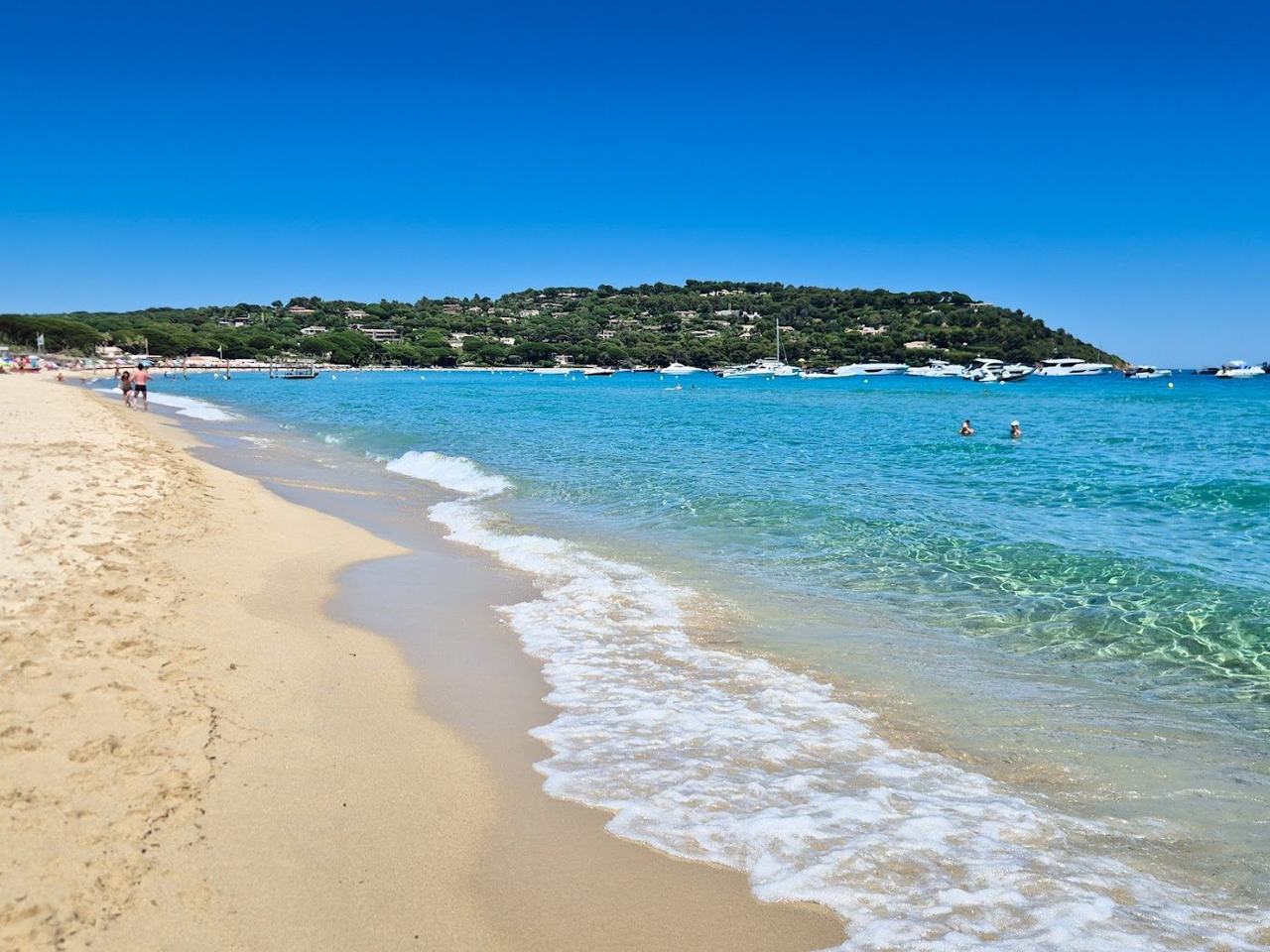
Make for the Saint Tropez peninsula and the famous Pampelonne beach, a long sweep of golden sand that is the Riviera's grandest. This is the home of the legendary beach clubs, and a day here can be as plush or as plain as you like, since stretches of free public beach sit between the club concessions. Go early to beat the traffic onto the peninsula, and balance the scene with a quiet swim at one of the calmer northern ends.
The port, the light and a slow finish
Spend the last morning in Saint Tropez itself, beyond the yachts, in the ochre lanes of the old fishing port and the daily market at the Place des Lices that the painters loved. Climb to the Citadelle for the view over the gulf, then take one final unhurried swim at the town beach of La Ponche or back at a favourite cove before the journey home. A quiet, golden close to a week that began with the pebbles of Nice.
The practical notes
| What | The short answer |
|---|---|
| Best base | Nice for the east and the train, Antibes or Cannes for the centre, a night in the west for Saint Tropez |
| Headline beaches | Nice, Villefranche, Paloma on Cap Ferrat, Antibes la Salis, Cannes Croisette, Pampelonne |
| Sand or pebble | Pebble in the east around Nice, sandy in the centre and west, Pampelonne the grand sand sweep |
| Getting around | The eastern coastal train is fast and cheap; a car or ferry helps for the Saint Tropez peninsula |
| When to go | June and September for warm sea and lighter crowds; July and August are busiest |
| Good to know | Bring water shoes for the eastern pebbles; the beach clubs are a choice, with free beach between them |
Plan your day on the sand
Independent and honest · 1,340 beaches ranked across 103 destinations · We answer to no resort
The Riviera week, answered
Is 7 days enough for the French Riviera?
Seven days is a good fit for the French Riviera. It lets you base in Nice for the eastern coast and its corniche villages, swim the sheltered bay at Villefranche and the Cap Ferrat coast path, spend days in Antibes and Cannes, and still make the trip west to the famous Pampelonne sands at Saint Tropez without packing every town into a single rushed loop.
Where should I base myself on the French Riviera?
Nice is the most practical single base, central on the coast, well served by train and airport and surrounded by the corniche villages, Villefranche and Cap Ferrat. Antibes or Cannes suit the central coast and the Lerins islands. For the Saint Tropez peninsula and Pampelonne you are better staying a night or two in the west, since it is a long day trip from Nice.
Does the French Riviera have sandy beaches?
It is a mix. Nice and much of the eastern coast have pebble beaches, while the central and western coast around Antibes, Juan les Pins, Cannes and above all the Pampelonne beach near Saint Tropez are genuinely sandy. Villefranche sur Mer has a rare sheltered sandy bay in the east. Water shoes help on the pebble beaches. Conditions are typical and never guaranteed.
How do you get around the French Riviera?
The coastal train along the eastern Riviera is excellent, linking Nice, Villefranche, Monaco, Antibes and Cannes quickly and cheaply, which makes a car unnecessary for that stretch. Buses and boats fill the gaps, including ferries to the Lerins islands. For the Saint Tropez peninsula in the west a car or seasonal ferry is more practical, as the rail line does not reach it. Timetables are typical and best confirmed locally.
When is the best time for a French Riviera beach trip?
June and September are the sweet spots, with warm sea, long days and lighter crowds than the July and August peak, when the coast and the Pampelonne beach clubs are at their busiest and priciest. May and early October are pleasant and quieter, with slightly cooler water. Conditions are typical and never guaranteed.