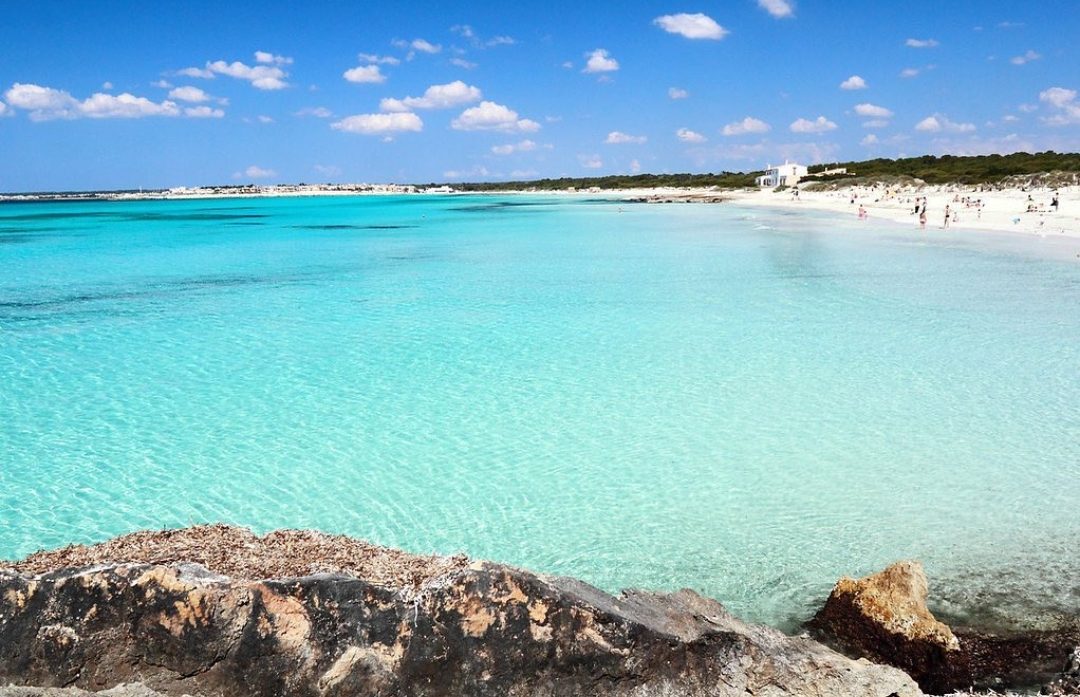
 Photo: Fabio Ferraz via Google
The shape of the week
- The planBase in the south or southeast for the first half, then the north for the second, swimming the headline beaches early in the day, driving between regions rather than back and forth, and saving Cap de Formentor and the Tramuntana for the end
- Best baseSouth or southeast near Palma, Santanyi or the Cala d'Or coves first, then the bays of Pollensa or Alcudia in the north; splitting the base keeps the daily drives short
- The honest noteThe famous southeastern coves are tiny and fill fast, so the early hours and the spring and autumn shoulders are when they are at their best; the long sandy beaches handle crowds far better
- Getting aroundA hire car makes this itinerary; the bus network suits the towns more than the quiet coves, and in summer the Formentor road is closed to private cars by day, so you park and take the shuttle
Published 16 March 2026. Last reviewed 20 April 2026
Mallorca is far bigger and more varied than its reputation as a quick package escape suggests, and a week here, with a car and a loose plan, takes in some of the most beautiful and most different beaches in the Mediterranean. The south has long, natural white sand. The southeast hides a string of tiny turquoise coves between low cliffs and pines. The north opens into broad family bays and the wild headland of Cap de Formentor. And along the west, the Serra de Tramuntana plunges into the sea in dramatic coves reached by switchback roads or by boat. The trick is to move through these regions in order rather than crossing the island each day, and to be on the sand early.
This itinerary bases you in the south and southeast first, within easy reach of Es Trenc and the famous coves, then shifts you north for the bays, Formentor and the mountains. Treat the days as flexible. The small coves reward an early arrival and a willingness to walk down a path or some steps, while the long sandy beaches are the ones to choose when you want space, shade and an easy afternoon. Swap a swim for a long lunch when the mood takes you, and let the island set the pace.
Seven days on the sand
Settle in and an easy first swim
Arrive, pick up the car and let the first day be gentle. Palma is worth a wander for its great cathedral and old town lanes, and the coast just west has easy swimming at calm spots such as the coves around Portals and Illetes. Keep it light, learn the rhythm of the island, and have an early dinner. Do not try to drive far on day one; the pleasure is simply finding your feet and a first dip in the Mediterranean before the week proper begins.
The long natural white sand beach
Give a full day to Es Trenc, the island's most famous beach, a long ribbon of natural white sand and pale turquoise water backed by dunes rather than hotels. It is one of the few large beaches that still feels wild, so it handles crowds well, but parking fills in summer, so arrive in the morning. Nearby Ses Covetes and Sa Rapita make easy extensions, and the shallow, gently shelving water here is some of the most relaxed swimming on the island. Bring shade, as there is little of it.
Calo des Moro, Cala s'Almunia and Cala Llombards
This is the day for the postcard coves. Calo des Moro and its neighbour Cala s'Almunia are tiny, dazzling and reached by a short walk and some steps, so go early, as they are small and fill fast in season. Cala Llombards nearby is a touch larger and gentler, good for a longer stay. These are the beaches that fill Mallorca's most famous photographs, and they are every bit as lovely in person, but space is genuinely limited, so the early hours and the shoulder seasons are when they shine.
A natural park, and a slower pace
Ease the pace with Cala Mondrago, where two soft sandy coves, Cala Mondrago and S'Amarador, sit within a protected natural park, linked by short paths through the pines. It is calmer and more spacious than the tiny southeastern coves and works well for a longer, lazier beach day. From here the east coast runs north past Porto Cristo, where the Caves of Drach make a fine cool break from the sun if the afternoon turns hot. Conditions and opening times are best confirmed locally.
Playa de Muro and the bay of Alcudia
Shift your base north to the bays of Alcudia or Pollensa. The headline here is Playa de Muro, a long, shallow, golden sand beach on the bay of Alcudia that is ideal for families and for an easy day with everything to hand. The water is calm and slow to deepen, and the old walled town of Alcudia is a pleasant evening stroll. After the small coves of the southeast, the openness and space of the northern bays feels like a different island, and a welcome change of pace.
The dramatic cape and its beach
Give a day to Cap de Formentor, the wild headland at the island's northern tip, with its lighthouse, sheer cliffs and sweeping views. The Platja de Formentor, a pine backed beach on the way out, is a lovely swim. Note the practical catch: in summer the road to the cape is closed to private cars during the day, so you park at the beach and take the shuttle bus, or set out very early or late. Time the cape for the softer light and you will see the north coast at its most spectacular.
Sa Calobra, Cala Tuent or Cala Deia
End in the mountains. The Serra de Tramuntana meets the sea in dramatic coves on the west coast, from the much photographed Sa Calobra, reached by a famous corkscrew road or by boat, to the quieter Cala Tuent nearby and the pebbly Cala Deia below the artists' village of Deia. These are wilder, rockier swims than the south, with deep clear water and a real sense of drama. Pick one, take the winding road slowly, and let the last day be the most scenic of the week before the journey home.
The practical notes
| What | The short answer |
|---|---|
| Best base | South or southeast first, near Palma, Santanyi or the Cala d'Or coves; then Pollensa or Alcudia in the north |
| Headline beaches | Es Trenc, Calo des Moro and Cala s'Almunia, Cala Llombards, Cala Mondrago, Playa de Muro, Cap de Formentor, Sa Calobra |
| Getting around | A hire car makes the trip; the Formentor road is closed to private cars by day in summer, so park and take the shuttle |
| Best hours | Early morning at the small coves, which fill fast; the long sandy beaches handle crowds better all day |
| When to go | Late May to June and September into early October for warm sea and lighter crowds |
| Good to know | The famous coves are tiny with little shade; bring water and shade and be ready to walk down a path or steps |
Plan your day on the sand
Independent and honest · 1,340 beaches ranked across 103 destinations · We answer to no resort
The Mallorca week, answered
Is 7 days enough for Mallorca?
Seven days is a good amount of time for a beach focused Mallorca trip. It lets you cover the long white sand of the south at Es Trenc, the famous coves of the southeast such as Cala Mondrago and Calo des Moro, the family beaches of the northern bays, and the dramatic Cap de Formentor and the Tramuntana coast, without rushing. Splitting your base between the south and the north cuts down on driving.
Do you need a car to see the best beaches in Mallorca?
For this itinerary, yes. Mallorca is a large island and many of its best beaches and coves are spread out and easiest to reach by car, with the bus network better for the towns than for the quiet coves. Renting a car gives you the freedom to arrive early and beat the crowds. Note that in summer the road to Cap de Formentor is closed to private cars during the day, so you park and take the shuttle bus.
Where should I base myself in Mallorca for beaches?
A simple plan is to split the week. Base first in the south or southeast, near Palma, Santanyi or the Cala d'Or coves, for easy access to Es Trenc and the famous southeastern beaches. Then move north to the bays of Pollensa or Alcudia for the long family sands, Cap de Formentor and the Tramuntana. Splitting the base keeps daily drives short and lets you swim early before the beaches fill.
Which are the best beaches and coves in Mallorca?
The headline beaches in this itinerary are Es Trenc, the long natural white sand beach in the south, the small but stunning coves of the southeast such as Calo des Moro, Cala s'Almunia, Cala Llombards and Cala Mondrago, the long family beach of Playa de Muro in the north, the beach at Cap de Formentor, and the wild Tramuntana coves around Sa Calobra, Cala Tuent and Cala Deia. The tiny coves are beautiful but small, so arrive early.
When is the best time for a Mallorca beach trip?
Late May to June and September into early October are the sweet spots, with warm sea, long days and lighter crowds than the July and August peak. Midsummer is hottest and busiest, with the small coves filling early and parking scarce, while spring and autumn are quieter and gentler. Conditions are typical and never guaranteed, and some beach services run a seasonal calendar.