 Photo: Mayur Giri via Google
The shape of the week
- The planSettle first in the calm green south around Palolem and Agonda for the safest swimming and the quietest sand, then shift north to Ashwem, Arambol, Anjuna and Baga for the shacks, the markets and the social scene
- Best baseThe south from Palolem to Patnem for calm and green, the north from Morjim up to Baga for lively and social; move base once rather than commuting the long drive daily
- The honest noteGoa is really two coasts, so decide whether you came for the calm south or the lively north before you book a bed, because they are very different holidays
- Getting aroundA hired scooter links nearby beaches and taxis cover the longer hops; the south to north drive takes a couple of hours, so plan to move base once
Published 2 April 2026. Last reviewed 9 May 2026
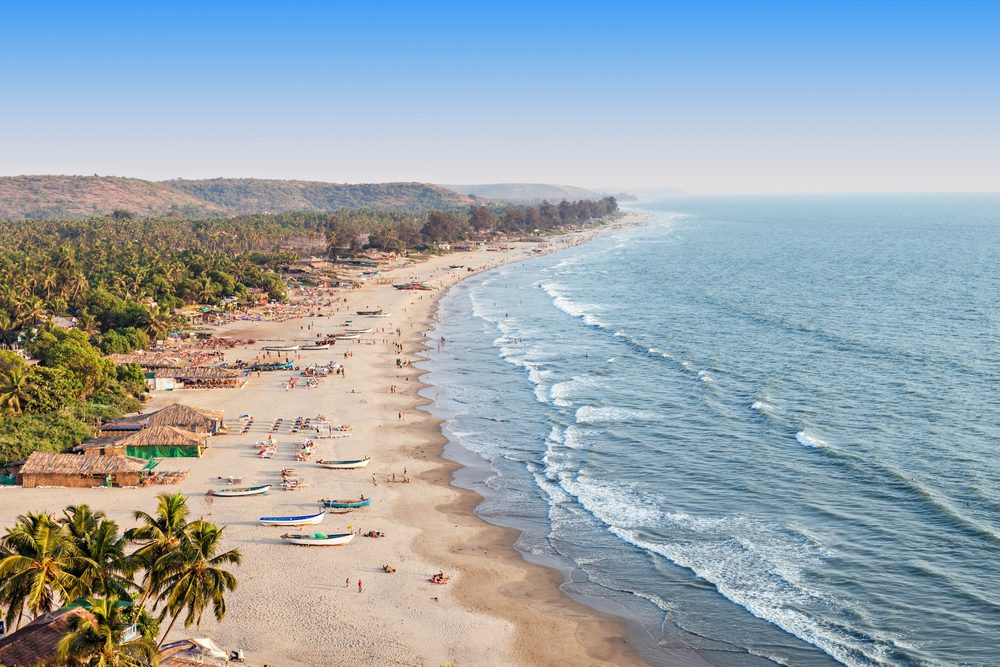
Goa rewards anyone who works out which half they want before they arrive. The state is really two coasts stitched together. The south, from Palolem down through Agonda and Patnem, is greener, slower and far more about the sand than the scene, with the prettiest safe swimming bays and the longest quiet stretches. The north, from Morjim and Ashwem up to Arambol, Anjuna, Baga and Calangute, is louder, more built up and far more social, the Goa of beach shacks, water sports, markets and late nights. Our best beaches in Goa guide ranks both, and is honest about the trade between them.
Slow travel here means giving each coast its due rather than bouncing between them. A good week settles first in the calm south, where the swimming is gentlest and the days unwind on the sand, then moves north for the energy, the markets and the sunset crowds. The sea is warm all year, so the season is set by the monsoon rather than the temperature; the dry months from November to March are the time to come, when the water is calm, the skies are clear and every shack is open. Through the monsoon from June to September many beaches shut their shacks and the sea turns rough, so the dry season is the window for a beach week.
Seven slow days
Settle into the calm south
Begin in the south at Palolem, the prettiest safe swimming bay in Goa, a near perfect crescent of soft sand backed by palms and headlands with calm shallow water that suits an easy first swim. The bay is lined with shacks and simple beach huts, and a kayak out toward the little island at the northern point is the classic gentle outing. Stay for the sunset, which Palolem does beautifully, and let the slow southern pace settle the week before anything louder begins.
The quietest sand in Goa
Just north of Palolem, Agonda is a long, broad and notably peaceful beach, greener and calmer than its neighbour and a favourite for a slow day of walking and reading. To the south, smaller Patnem is the laid back cousin, a short curve of sand with a relaxed, low key feel. Both are the antidote to the busy north, all space and shade and the sound of the sea. This is the day to do very little, a long lunch on the sand and an unhurried swim.
Wild quiet beaches and a turtle coast
Give a day to the wilder far south, where the beaches grow emptier and the green hills meet the sea. Galgibaga, often called Turtle Beach, is a long, undeveloped sweep that is one of the Olive Ridley turtle nesting sites, fenced and monitored in winter, so keep well back from any marked nests. The headland fort of Cabo de Rama and its small beach make an easy detour. It is a day for the quietest sand in Goa and the sense of the coast before the crowds.
The calmer end of the north
Make the longer drive north and land softly at the top of the northern coast, where Ashwem and Morjim are the chic, calmer counterpoint to the busy strip below. The sand is wide, the lounges are stylish and the pace is gentler than Baga, a good place to ease into the north. Morjim is another Olive Ridley nesting beach in winter, with protected stretches at the river mouth, so respect any fenced areas. Settle here for the second half of the week with the livelier beaches within easy reach.
The bohemian heart of the north
Arambol is the free spirited soul of north Goa, a long beach that ends at a freshwater lagoon tucked behind the sand and a cliff path leading to the quieter Kalacha cove beyond. It draws a creative, easygoing crowd, and the sunset gathering with its drum circle is a Goa institution. Swim the main beach, walk to the sweet water lagoon for a contrasting dip, and stay for the light show as the sun drops into the Arabian Sea. It is the north at its most characterful.
Cliffs, the flea market and atmosphere
Anjuna is the original traveller beach of Goa, a coast of red laterite cliffs and rocky coves rather than a long flat strand, with an atmosphere that still trades on its history. The Wednesday flea market is the famous draw, a sprawling tangle of stalls that has run for decades, while the cliffside cafes are made for a long sunset drink. The swimming is secondary to the scene here, so come for the market, the cliffs and the feel of the place rather than a perfect bay.
The lively last day, on your terms
For the final day, the busy heart of the north around Baga and Calangute is Goa at full volume, a long built up strip of shacks, water sports, parasailing and crowds that is either the highlight or the thing to avoid, depending on your mood. Dip in for the energy, the jet skis and the buzz if that is your Goa, or retreat south to a quieter bay for a calm last swim if it is not. Either way, end the week with one more sunset over the Arabian Sea.
The practical notes
| What | The short answer |
|---|---|
| Best base | The south around Palolem and Agonda for calm and green, the north from Ashwem to Baga for lively and social; split the week |
| Headline beaches | Palolem, Agonda and Patnem in the south; Ashwem, Morjim, Arambol, Anjuna and Baga in the north |
| Getting around | A hired scooter links nearby beaches and taxis cover the longer hops; the south to north drive takes a couple of hours |
| Season | November to March for calm sea and open shacks; the monsoon from June to September is rough and many shacks close |
| Turtles | Olive Ridley turtles nest at protected sites such as Morjim, Agonda and Galgibaga in winter; keep well back from marked nests |
| Good to know | Goa is two coasts, so decide whether you want the calm south or the lively north before you book |
Plan your day on the sand
Independent and honest · 1,340 beaches ranked across 103 destinations · We answer to no resort
The Goa week, answered
Is 7 days enough for Goa?
Seven days is enough to see both of Goa's coasts at a gentle pace. A typical week settles first in the calm green south around Palolem and Agonda for the safest swimming and the quietest sand, then shifts north to the livelier strip of Ashwem, Arambol, Anjuna and Baga for the shacks, the markets and the social scene. Because the drive from south to north is long, most weeks move base once rather than commuting daily.
Is north or south Goa better for beaches?
They are two different holidays. South Goa, from Palolem down to Agonda and Patnem, is greener, calmer and far more about the sand than the scene, with the prettiest safe swimming bays. North Goa, from Morjim and Ashwem up to Anjuna, Baga and Calangute, is louder, more built up and far more social, with the water sports, the markets and the nightlife. Pick the calm south or the lively north to match the mood you came for, or split the week to taste both.
When is the best time to go to Goa?
The dry season from November to March is the time to come, with calm sea, clear skies and every beach shack open. December and January are the busiest and brightest, while November and February are a little quieter. The monsoon from June to September turns the coast green but rough, and many shacks close and the sea is unsafe for swimming. The shoulder weeks either side can be humid. Conditions are typical and never guaranteed.
How do you get around Goa?
A hired scooter is the classic and most flexible way to move between nearby beaches, while taxis and app cabs cover the longer hops. The drive between the far south and the far north takes a couple of hours, so it is easiest to base in one half of the state and move once during the week rather than crossing daily. Roads are busy and conditions vary, so ride carefully and confirm fares and timings locally.
Can you see nesting turtles in Goa?
Olive Ridley turtles nest on a few quiet Goan beaches in the dry winter season, with protected nesting sites at Morjim and Agonda in the north and south and at Galgibaga in the far south. The nesting areas are fenced and monitored by forest officials, so keep well back, follow the local guidance and never disturb a nest. Sightings depend on the season and are never guaranteed, and the protection of the turtles comes first.